In the evolving landscape of the art world, a significant transformation is underway. Traditional art forms are increasingly joined by digital art, catalyzing a shift in how we perceive creativity and expression. The rise of technology-driven art—often referred to as "tech art"—is influencing modern galleries and reshaping the cultural dialogue around art itself. This article explores the impact of digital canvases, the diverse forms of tech art, and the new opportunities and challenges they present.
The Digital Revolution in Art
The advent of digital technology has democratized art, allowing creators from various backgrounds to express their visions without the constraints of traditional mediums. Tools like graphic design software, 3D modeling programs, and virtual reality (VR) have expanded the possibilities for artists, enabling them to create immersive experiences that engage viewers like never before.
From Pixels to Paintings
Digital art encompasses a wide range of styles and formats. Artists now create illustrations, animations, and interactive installations that challenge the conventional boundaries of artistic expression. These works can take forms such as:
- Digital Illustrations: Traditional techniques are used in innovative ways, utilizing software to produce stunning illustrations that can be easily shared and reproduced.
- Animations: Moving images offer a dynamic alternative to still art, enabling narratives that captivate audiences.
- 3D Art: With the rise of 3D printing and modeling, artists can create intricate sculptures that were once unimaginable.
- Virtual and Augmented Reality: Immersive experiences transport viewers into digital worlds, engaging them on multiple sensory levels.
Tech Art in Modern Galleries
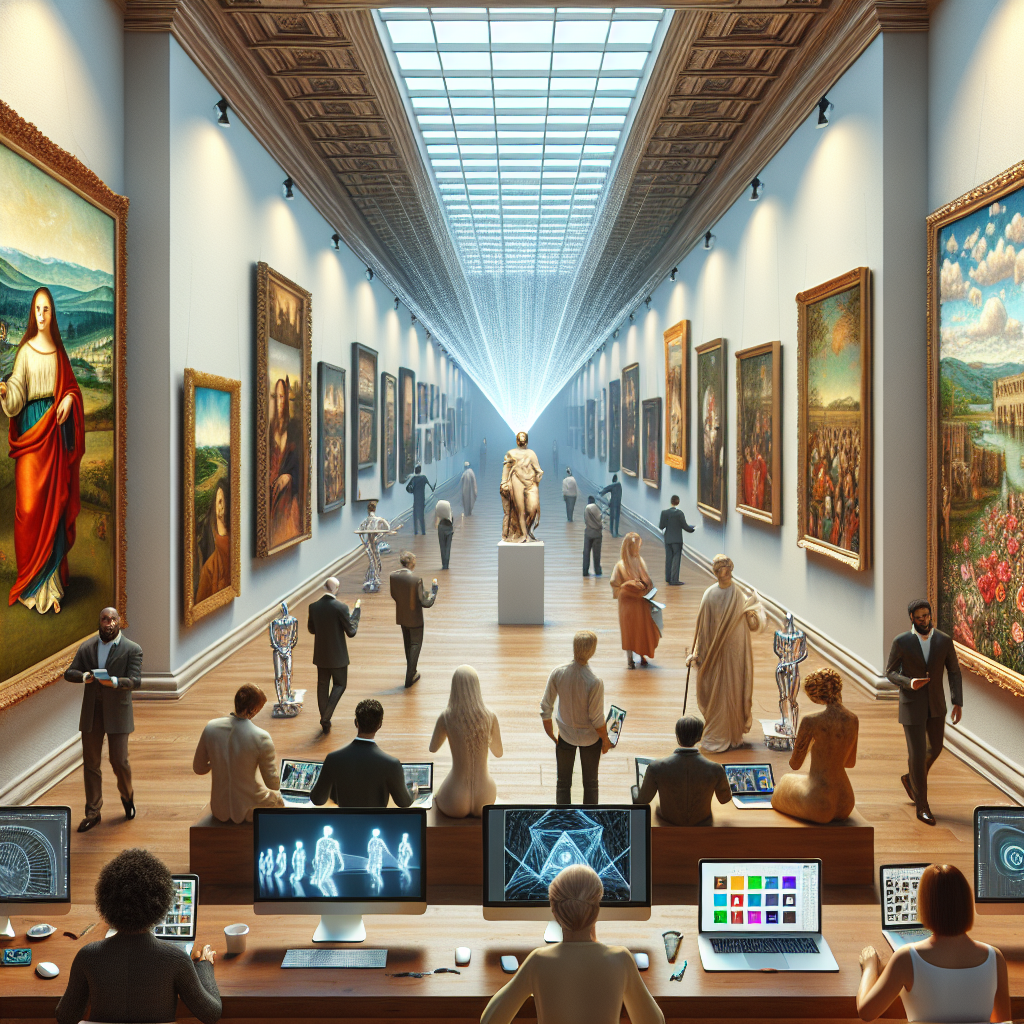
As tech art gains popularity, galleries are increasingly adapting to showcase these innovative works. The traditional white-walled gallery space is evolving into vibrant ecosystems where technology and artistry converge. Exhibitions often include interactive displays, where viewers can engage with art through touch or movement, turning passive observation into an active experience.
Notable Exhibitions and Installations
Several modern galleries have embraced tech art, organizing exhibitions that reflect this trend:
- TeamLab Borderless (Tokyo): This digital art museum allows visitors to interact with the artwork, creating a unique experience each time they visit.
- Digital Art Biennale (Various cities): These events celebrate the fusion of technology and art on a global scale, featuring artists who push the boundaries of creativity.
These spaces challenge preconceived notions of what art can be, fostering dialogues that explore the relationship between technology, society, and artistry.
Challenges and Criticism
Despite the excitement surrounding tech art, it faces several challenges. Critics argue that digital art can lack the emotional weight of traditional mediums. The reproducibility of digital works raises questions about authenticity and ownership—issues that have become even more pertinent with the emergence of NFTs (non-fungible tokens).
Furthermore, the rapid pace of technological advancement can make it difficult for galleries to keep up, often requiring continuous investment in new tools and infrastructure.
The Future of Tech Art
As technology progresses, so too will the possibilities for artists. The integration of artificial intelligence, machine learning, and blockchain technology is likely to pave new paths for creativity. Collaborative works that blend the skills of artists and programmers may become commonplace, creating multidimensional narratives that delve into the human experience.
Moreover, as the line between digital and physical art blurs, mainstream acceptance of tech art is likely to grow. It will challenge more traditional perceptions of artistic merit, inviting broader audiences into the conversation.
Conclusion
The rise of tech art in modern galleries signals a transformative era for the art world. By embracing digital canvases, artists and institutions are reshaping cultural expressions and inviting audiences to engage with art in novel ways. As we venture further into this digital age, the ongoing relationship between technology and creativity promises to enrich our understanding of art, inviting us to explore the limitless possibilities that lie ahead.