In case it wasn’t already obvious, Bitcoin exchange traded-funds (ETFs) are hot—with demand for the products smashing all expectations.
Data from Bloomberg shows that of the 575 ETFs launched this year, 14 of the top 30 products have been either new Bitcoin or Ethereum funds, with the top four spots owned by Bitcoin funds.
And in the past four years, of the 1,800 ETFs that started trading during that span, BlackRock’s iShares Bitcoin Trust is the biggest by far in terms of inflows, the data shows.
575 ETFs have now launched in 2024…
*14 of top 30* by inflows are either spot btc or eth ETFs.
Includes 6 of top 10.
There are also 2 MSTR-related ETFs in top 30.
Crypto appetite from tradfi is real. pic.twitter.com/DmD6f5zJ1P
— Nate Geraci (@NateGeraci) October 23, 2024
ETFs are popular investment vehicles that trade on stock exchanges. They allow investors to buy and sell shares that track the price of anything from the S&P 500 and gold to Bitcoin and real estate firms.
In January, the Securities and Exchange Commission (SEC) approved the Bitcoin products, allowing 10 such funds to start trading on American stock exchanges after a decade of denials.
The investment vehicles have been widely popular, attracting billions of dollars in months in flows. Last week, they collectively crossed the $20 billion mark—smashing expectations by taking just 10 months to do what gold ETFs did over five years.
The reason for the fast money, according to Bloomberg Intelligence ETF research analyst James Seyffart, is partly down to investors who had wanted to invest in Bitcoin for some time, but didn’t have a safe or easy way before the approval of the ETFs. Now that the ETFs are trading, that demand is rapidly entering the market.
“I think it was partly pent-up demand,” he told Decrypt. “But it’s also new demand as people are learning more.”
He added that traditional financial institutions are interested in the products too—including hedge funds involved in futures trading. “That has helped improve flows and demand,” he said, adding that hedge funds have been going long on the ETFs and then selling the futures contracts.
Massive institutions—including Morgan Stanley and Goldman Sachs—now have exposure to Bitcoin via the new products. The price of Bitcoin even hit a new all-time high in March following their approvals.
But the Ethereum counterparts haven’t had as much luck thus far. The SEC approved the ETFs for the second-biggest cryptocurrency—reluctantly, it appeared—in May. They haven’t done nearly as much in terms of inflows since trading began in July.
This is partially because Grayscale’s Grayscale Ethereum Trust (ETHE) previously operated like a closed-end fund rather than an ETF before July. Its subsequent conversion means that investors who previously had cash locked up in the fund have fast been redeeming shares—leading to massive outflows.
So far, $3 billion has left the fund, bringing the total flows for all nine Ethereum ETFs currently trading to negative $472.7 million, Farside data shows.
However, that doesn’t mean demand won’t pick up. Investors have thrown cash at the other products, and that could mean a turnaround is on the horizon.
“It’s just that the outflows from ETHE are overwhelming the inflows to these other [Ethereum] ETFs,” added Seyffart. “For now.”
Edited by Andrew Hayward
Daily Debrief Newsletter
Start every day with the top news stories right now, plus original features, a podcast, videos and more.
The cryptocurrency landscape is constantly evolving, and with it, the fortunes of various digital assets wax and wane. One such asset currently under the microscope is Polygon (POL), which has seen its price tumble to the lows of 2021. As investors and enthusiasts ponder its future, it becomes imperative to examine the factors contributing to this decline and assess what lies ahead for Polygon. In this article, we’ll delve into the history, current challenges, and potential future of Polygon to provide a comprehensive overview of its trajectory.
Understanding Polygon: A Brief History
Polygon, formerly known as Matic Network, has been a significant player in the cryptocurrency ecosystem, offering layer 2 scaling solutions to improve the performance of Ethereum’s decentralized applications (dApps). Since its inception, Polygon has focused on enhancing blockchain interoperability and providing faster, more cost-effective transactions. Its meteoric rise in early 2021 demonstrated its potential, drawing the attention of developers and investors alike.
The Rise of Polygon
Polygon’s initial success can be attributed to several key factors:
Scalability: Polygon’s layer 2 solutions significantly improved Ethereum’s transaction throughput.Cost-Effectiveness: Users experienced reduced gas fees, making it an attractive option for dApp developers.Strong Community: Polygon fostered a vibrant community of developers and users, further driving its adoption.
Current Market Scenario: What’s Happening with POL?
Despite its promising start, Polygon’s price has recently plummeted to its 2021 low, raising questions about its sustainability and future prospects. Multiple factors are contributing to this downturn:
Market Volatility
The cryptocurrency market is inherently volatile, with prices subject to rapid fluctuations. Polygon is no exception, and the recent broader market retracement has undoubtedly impacted its valuation. Increased regulatory scrutiny and global economic uncertainties have further exacerbated these volatile conditions.
Competitive Landscape
The rise of competitors offering alternative layer 2 solutions has intensified competition. Ethereum’s advancements, such as Ethereum 2.0, as well as the emergence of other blockchains, are challenging Polygon’s market positioning.
Technical Challenges
While Polygon has addressed Ethereum’s scalability issues, it still faces technical hurdles that need resolution. Improving network security and maintaining seamless user experiences remain critical tasks for the platform.
Investor Sentiment
The sentiment of cryptocurrency investors plays a vital role in price movements. As excitement wanes and skepticism rises, assets like Polygon experience increased selling pressure, contributing to their decline.
Assessing Polygon’s Future Prospects
Despite these challenges, Polygon has several avenues through which it can revive its fortunes and regain investor confidence.
Innovation and Development
To sustain growth, Polygon must continue to innovate and develop its technology stack. Some strategies include:
Enhancements to Infrastructure: Continued improvements in speed and efficiency will benefit users and dApp developers.Partnerships and Collaborations: Forging alliances with other blockchain projects can bolster Polygon’s ecosystem.Ecosystem Expansion: Encouraging new and existing dApp developers to build on Polygon could drive further adoption.
Engaging the Community
A committed, engaged community can be a project’s greatest asset. Polygon can capitalize on this by:
Hosting Educational Initiatives: Workshops, webinars, and hackathons can educate and empower developers and users.Community Governance: Facilitating community participation in decision-making can foster stronger ties and innovation.
Redefining the Narrative
Polygon needs to actively communicate its value proposition to the broader market. Clarifying its unique offerings and future goals can potentially restore investor interest and trust.
Conclusion: Navigating Uncertain Waters
Polygon is currently at a critical juncture, confronting both opportunities and challenges that could shape its future trajectory. As it navigates these turbulent waters, the focus must remain on innovation, community engagement, and strategic positioning. The journey ahead will not be without difficulty, but with astute management and a renewed focus, Polygon can overcome today’s obstacles and emerge as a stronger entity. For investors and users, staying informed and vigilant will be key in understanding the evolving dynamics of this ever-changing landscape.
“`
About Web3Wire Web3Wire – Information, news, press releases, events and research articles about Web3, Metaverse, Blockchain, Artificial Intelligence, Cryptocurrencies, Decentralized Finance, NFTs and Gaming. Visit Web3Wire for Web3 News and Events, Block3Wire for the latest Blockchain news and Meta3Wire to stay updated with Metaverse News.
The name “OpenSea” undoubtedly comes to mind when you first hear about NFTs, and for good reason! The largest NFT market in the world, OpenSea allows anybody to create, purchase, and sell non-fungible tokens. If you’ve ever been curious about what OpenSea is, how it works, or if it’s the right platform for you, you are at the right place. In this blog, we will have a solid understanding of OpenSea NFT and how to make the most of it. So, let’s dive in!
OpenSea is a massive marketplace where you can purchase, sell, and even build NFTs. Think of it as the Amazon of the NFT world. OpenSea offers the resources and infrastructure to participate in the NFT ecosystem, whether you’re a creator, a collector, or just an interested bystander. It’s similar to entering a sizable gallery, except everything is digital and entirely one hundred percent unique.
How OpenSea Works?
Now let’s examine how OpenSea functions; it’s actually not as complicated as it might sound.
1. Browse or create NFTs:
There are two options available to you: peruse the millions of NFTs in the current marketplace or start from the beginning and make your own. This covers everything, from virtual real estate to digital music and art.
2. Connect to Your Wallet:
You’ll need a cryptocurrency wallet in order to begin trading or producing NFTs. Consider it to be your online bank account. Though OpenSea supports a number of them, including Coinbase Wallet and Trust Wallet, MetaMask is the most widely used. As soon as your wallet is connected, you can begin using the platform.
3. Buy or Sell NFTs:
Purchasing or selling only requires a click button. You look through NFTs, see how much they’re normally asking for Ethereum, then either make a deal or pay the asking price. Depending on their plan, sellers can either establish a fixed price or put their NFTs up for auction.
4. Gas Fees:
Oh yes, the infamous gas fees! Every time you make a transaction on the Ethereum blockchain, you’ll be paying a fee, often called “gas.”
Let’s get into some practical tips, shall we? Whether you’re looking to buy your first NFT or trying to sell one for a profit, these tricks will help you navigate the marketplace more effectively.
How to Buy NFTs in OpenSea?
Source: nftpay.xyz
1. Do Your Research:
Learn more about the project before investing your hard-earned Ethereum in it. Examine the creator, the exclusivity, and the surrounding community. The NFT’s worth may rise over time if the project is well-known.
2. Examine Transaction History:
You should look over the history of transactions for each NFT. The NFT’s value may be more volatile if it has been resold several times.
3. Establish a Budget and Follow It:
When you’re enthusiastic about a project, it’s simple to get carried away by the excitement and overpay. Determine how much you can afford to spend in advance.
How to Sell NFTs in OpenSea?
1. Build a Narrative Around Your NFT:
Uploading a file isn’t enough if you’re selling. You should write an intriguing narrative that will draw in potential customers. What distinguishes your NFT? What inspired the creation of it? These specifics are important.
2. Price sensibly:
If you’re just getting started, don’t overcharge for your NFT. In the event that demand increases later, you may always raise the price.
3. Promote:
When it comes to promoting NFT, social media is your best buddy. There are active NFT communities on platforms like Discord and Twitter, which may stimulate interest.
How to Create NFTs in OpenSea?
1. Use High-Quality Media:
Make sure your NFT is made using high-quality media, whether it be a picture, video, or song. Collectors are interested in resolution, sound quality, and presentation overall.
2. Metadata is the Key:
The Crucial Metadata Make sure your NFT’s metadata is filled out correctly. Add tags, a detailed description, and even stuff that may be unlocked, such as high-resolution files or exclusive bonuses only available to buyers.
3. Interact with Your Community:
Don’t sit back when your NFT goes live. Talk to prospective customers, respond to their inquiries, and create a community around your business.
Security Best Practices:
The NFT world is exciting but can also be risky. Scams, hacks, and phishing attempts are not uncommon, so here’s how you can protect yourself:
1. Never Give Your Seed Phrase Away:
This is the master key to your money. Anyone who finds out about this can seize control of your money.
2. Turn on Two-Factor Authentication (2FA):
Make sure that both your OpenSea account and wallet have 2FA enabled. This enhances security on top of it.
3. Watch Out for Phishing Sites:
Scammers sometimes create fake sites that look like OpenSea. Double-check URLs before entering any sensitive information.
4. Be Careful with DMs on Discord and Twitter:
Scammers frequently send direct messages purporting to have bargains or requesting your wallet information. Disregard these.
5. Store NFTs in a Cold Wallet:
If you possess precious NFTs, you should think about keeping them in a hardware wallet, also known as a cold wallet.
OpenSea Fees:
Source: 36crypto.com
Let’s talk money. OpenSea’s fee structure is pretty simple, but knowing it ahead of time will help you avoid surprises:
Platform Fee: OpenSea takes a 2.5% cut on every sale. So if you sell an NFT for $100, you’ll receive $97.50.
Creator Royalties: Some creators set a royalty fee on their NFTs, meaning that every time the NFT is resold, they receive a percentage (typically 5-10%).
How to Store NFTs Securely on OpenSea:
Source: cyberscrilla.com
You’ve bought your NFTs, now what? How do you make sure they’re stored safely?
1. Choose a trusted Wallet:
Ledger, Coinbase Wallet, and MetaMask are all trustworthy wallets. Verify that the wallet you’re using has a solid security record and positive user ratings.
2. Maintain the Security of Your Wallet:
Beyond just enabling 2FA, don’t store your private keys in easily accessible places. Consider writing them down and storing them offline.
3. Cold Storage:
Cold storage, which is effectively keeping your NFTs offline in a hardware wallet, is something to think about for high-value NFTs. Hackers will find it far more difficult to assess your valuables as a result.
Pros and Cons of OpenSea:
No platform is perfect, right? Here’s a breakdown of OpenSea’s strengths and weaknesses to help you decide if it’s the best choice for you.
Pros of Using OpenSea:
1. Largest Marketplace:
OpenSea offers a selection that is difficult to match, with millions of NFTs.
2. User-Friendly Interface:
Even for new users, OpenSea is designed to be simple to use.
3. Support for Multiple Wallets:
This feature allows you to link several kinds of wallets, giving it flexibility for various users.
4. Supports Many NFT Categories:
Encourages Numerous NFT Categories Everything from virtual land to music to art, you may discover all kinds of NFT here.
Cons of Using OpenSea:
1. High Gas prices:
OpenSea is built on the Ethereum blockchain, which is notorious for its sometimes-exorbitant gas fees.
2. Fraud & Scams:
Scams can occur in any open marketplace, including OpenSea. You must continue to exercise caution.
3. Centralization Issues:
Although OpenSea operates in the decentralized world of blockchain, the platform itself is centralized, meaning it could theoretically be censored or shut down.
The Future of OpenSea:
Now, this is where things get exciting! OpenSea is continuing to grow rapidly, but what does the future hold?
OpenSea has already included Solana and Polygon, which lowers the cost of Ethereum’s gas. In the future, we expect to see more blockchain integrations. OpenSea is always enhancing its search functions and user experience to make it simpler for consumers to locate NFTs they’ll like. It has been striving to provide creators access to more resources, such as more straightforward methods of managing royalties and promoting their work. More rules are likely to be implemented as the NFT industry develops. Platforms like OpenSea could gain stability and confidence as a result.
So there you have it, a complete guide to OpenSea and how to navigate the world’s largest NFT marketplace. Whether you’re buying, selling, or creating, OpenSea offers a comprehensive and user-friendly platform. However, like any marketplace, it has its pros and cons. High gas fees, potential security risks, and the possibility of scams are worth keeping in mind. Still, if you’re careful and smart about how you engage, OpenSea can be a game-changer in your NFT journey.
But what about you? Have you used OpenSea before, or are you planning to? What’s been your experience, or what are your thoughts on the future of the platform? Let me know in the comments below! I’m curious to hear your take on the world of OpenSea NFTs. And for more updates on the latest in the world of digital art, blockchain, and NFTs, be sure to subscribe to our newsletter, Web3 O’clock. Stay ahead of the curve!
Over $20 million worth of stablecoins and Ethereum was transferred from a wallet containing funds seized by the U.S. government Thursday, shifting assets tied to the 2016 hack of the crypto exchange Bitfinex to a five-day-old address. Some of those funds have now been moved to Binance, an off-shore exchange and the largest crypto trading platform in the world by volume.
Minutes before the transfers took place, the blockchain analytics firm Arkham Intelligence highlighted withdrawals from the lending protocol Aave in a tweet. It was the first time the funds had been touched in eight months, the company said.
According to Arkham’s platform, $1.25 million of the stablecoin Tether was withdrawn from Aave as well as $5.5 million of USDC. Those funds were subsequently sent to a wallet beginning “0x348” alongside $446,000 worth of Ethereum and $13.7 million of aUSDC, an interest-bearing token that represents USDC deposited in an Aave lending market.
The government-controlled wallet received millions of dollars of aUSDC two years ago. On the same day, it also received a hefty sum of the equivalent Aave-based token for Tether.
The pseudonymous blockchain sleuth ZachXBT said the activity appeared “nefarious” on Twitter. Most likely, the funds were flowing as a result of “theft,” the sleuth added.
Bitfinex was hacked in 2016 by a married couple from New York City, who later pleaded guilty to money laundering conspiracies. Taking advantage of a security breach at the exchange, Ilya Lichtenstein and Heather Morgan had $3.6 billion worth of digital assets seized by the authorities, according to a Department of Justice (DOJ) press release from August 2023.
funds are going to instantly exchanges looks nefarious
— ZachXBT (@zachxbt) October 24, 2024
Asked whether the transfers were conducted in relation to law-enforcement activities, the DOJ did not immediately respond to a request for comment from Decrypt.
The wallet that received millions of dollars of government-linked funds Thursday proceeded to use 1inch, an exchange aggregator, to swap stablecoins for Ethereum. It then began shuffling Ethereum in $40,000 chunks to a deposit address for the crypto exchange Binance, which ZachXBT flagged as suspicious behavior.
In total, $320,000 worth of Ethereum had been sent to Binance, as of this writing. At the same time, $80,000 worth of Ethereum had splintered off into other wallets.
When it comes to “0x348,” the wallet made its first transaction less than a week ago. And the wallet that funded it received its first funds two years before from the Australian cryptocurrency exchange CoinSpot, which does not operate in any other jurisdiction.
As of this writing, the government-controlled wallet was virtually empty. All of its assets were gone, aside from $127 worth of a Donald Trump-themed meme coin.
Edited by Andrew Hayward
Daily Debrief Newsletter
Start every day with the top news stories right now, plus original features, a podcast, videos and more.
In today’s digital world, where automation and scripting are essential for developers, security remains a paramount concern. One of the simplest ways to install developer tools is through scripts downloaded directly from the internet. However, this convenience also comes with inherent risks, especially when dealing with external sources.
Web3j is a security-focused project. It has taken steps to reduce risks from running installer scripts. This includes protecting against remote code execution (RCE) threats.
The Problem: A Risk in Convenience
Web3j provides installation scripts to make setup easier for developers. Typically, users can run the following commands to install Web3j:
On macOS/Linux:
curl -L get.web3j.io | sh
On Windows:
Set-ExecutionPolicy Bypass -Scope Process -Force; iex ((New-Object System.Net.WebClient).DownloadString(‘https://raw.githubusercontent.com/hyperledger/web3j-installer/main/installer.ps1’))
While these commands make installation quick and effortless, they introduce a serious security vulnerability: if a malicious actor gains access to modify the script at the source, they can inject malicious code. Users who unknowingly run these compromised scripts may expose their machines to Remote Code Execution (RCE). This could allow attackers to take control.
The Solution: Built-in Checksum Verification
To address this vulnerability, we have introduced SHA256 checksum verification into the Web3j installation script itself. This means that users no longer need to manually verify the checksum—the script now checks its own integrity before executing. This built-in verification ensures that the script automatically checks whether it has been modified. This prevents the execution of any potentially malicious code.
Manual Checksum Verification for Extra Security
While the script performs its own verification, we also provide checksum values publicly so that users can independently verify them if they prefer to do so. This double layer of security is crucial for environments where strict verification processes are required.
The checksum values for the installation scripts are stored in the following files:
To verify the checksum manually, you can run the following commands for your respective operating system:
For macOS:
sed ‘/^CHECKSUM_URL=/d’ installer.sh | shasum -a 256 | awk ‘{print $1}’
For Linux:
sed ‘/^CHECKSUM_URL=/d’ installer.sh | sha256sum | awk ‘{print $1}’
After running the command, compare the output hash with the respective checksum file from the Web3j GitHub repository. If they match, the script is safe to run. If not, avoid running the script and report the issue immediately.
Why Fixing This Issue is Important
Addressing the risk of RCE is critical because it directly impacts the security of the machines that run Web3j scripts. In a compromised scenario, an attacker can execute arbitrary commands on a victim’s machine. This could lead to data breaches, malware installation, or total system compromise.
By implementing checksum verification inside the script and offering a manual verification option, we greatly reduce the risk of executing malicious scripts. This ensures the Web3j community remains safe and secure.
Continuous Updates to Ensure Safety
Web3j remains committed to the security of its users. The checksum values for the installer scripts will be updated if there are any changes to the script in the future. Users are encouraged to always verify the checksum before running the script, especially after downloading a fresh copy.
Conclusion
In conclusion, while installer scripts provide a convenient way to get started with Web3j, they also come with potential risks. With the introduction of checksum verification inside the script and the ability for users to manually verify checksums, we have strengthened the security of the entire Web3j ecosystem. Users can now confidently execute the installation script knowing that it is authentic and free from tampering, protecting their systems from potential attacks.
Are you curious about creating NFTs but need help figuring out where to begin? With all the hype around NFTs, it is normal to feel confused and overwhelmed by the technical terms and processes. But you know what? Making an NFT is simpler. Today, I will take you through a step-by-step guide about how to create an NFT. Sounds good? Let’s dive in!
Before diving into the process, let’s quickly cover the basics for anyone new to the space. An NFT, or non-fungible token, is a unique digital asset that represents ownership of a specific item – be it artwork, music, a video, or virtual real estate plots. Unlike cryptocurrencies like Bitcoin or Ethereum, which are interchangeable, each NFT is one-of-a-kind and cannot be replaced with something else.
Now let’s jump into how you can create an NFT.
Tools and Platforms for Creating NFTs:
Before creating an NFT, there are a few fundamental components that must be in place. I’ll discuss it in detail.
1. A Virtual Wallet:
Source: nftify.network
To create Non-fungible Tokens, it is important to point out that you would also need a cryptocurrency wallet because, for almost all the NFT platforms, Ethereum (ETH) is used for transactions including for minting NFT. Some of the well-known wallets are:
MetaMask: MetaMask is a browser server extension that acts as both a wallet and a doorway to the Ethereum applications.
Coinbase Wallet: Coinbase is linked to the popular exchange, this is user-friendly for beginners.
Trust Wallet: Trust wallet is a decentralized wallet that is not only for storing coins but also for different cryptocurrencies and NFT stock cards.
But do you have to buy the cryptocurrency to start?
Yes, usually you need to have some Ethereum in your wallet to pay for minting. But don’t worry, we’ll talk about that in a bit.
2. An NFT Platform:
Source: yrcharisma.com
After configuring your wallet, the next step is to find a place where you can create and market your NFT. Numerous well-known NFT platforms are available today, each with slightly different capabilities. The leading ones include:
OpenSea: OpenSea is the largest and most frequently visited marketplace, which provides a unique form of customer service for most, if not all, digital assets.
Rarible: Rarible is a platform focused on the community that allows users to create, purchase, and sell NFTs.
Foundation: Foundation is a selective NFT marketplace that focuses on collectible artworks and exclusive releases.
SuperRare: SuperRare is a high-end marketplace focusing on unique, single-edition pieces of digital art.
3. Creation Tools:
Source: startupstash.com
This phase will involve creating the actual Non-Fungible Token (NFT). It can take several forms depending on the creative aspects, as it can be an image, video, or sound. If the user happens to be an artist or some form of a creative person, most probably the user will use:
Adobe Photoshop or Illustrator: Adobe Photoshop or Illustrator is something for creating digital graphic content.
Procreate: Procreate is a tool mostly utilized by digital illustrators.
Garage Band or Audacity: Garage Band and Audacity These help to create audio NFTs.
Blender or Maya: Blender and Maya are used for creating 3D models or animated characters.
You don’t need to be a professional artist to create NFTs. Simple doodles, memes, and generative art have also been successful. Your creativity is what counts.
The NFT Creation Process:
Source: techmoduler.com
Alright, you’ve got your wallet, you’re set on a marketplace, and you’ve got your creative juices flowing. Now let’s get into the step-by-step process of creating your NFT.
Step 1: Configuring Your Wallet
Install a digital wallet such as MetaMask first. Here’s how to go about it:
1. Download the app or extension.
2. To create an account, simply follow the instructions (it’s not that complicated).
3. Make sure you record your seed phrase in a secure location. If you misplace your wallet, you will be able to get it back thanks to this.
Step 2: Filling Your Wallet with Money
The next thing you’ll need is a cryptocurrency, most notably Ethereum, to pay for transaction costs, also referred to as “gas fees”. Depending on the platform, you can purchase Ethereum directly from your wallet or through services like Binance and Coinbase.
The common doubt can arise why would you need to pay for gas fees?
Gas fees are the price of interacting with the Ethereum blockchain and vary according to network demand. Some marketplaces, like OpenSea with “lazy minting,” allow you to mint NFTs for free and charge fees only when they are sold. We’ll talk about it next.
Step 3: Selecting an NFT Marketplace
Navigate to the marketplace of your choice (we’ll use OpenSea as an example). Click the wallet icon in the upper-right corner and choose MetaMask or your favorite wallet to connect your wallet.
Step 4: Minting Your NFT (Creating It)
Not, it’s time to create! How to mint your NFT is as follows:
1. Select the “Create” option.
2. Upload your file, which might be an audio, video, or picture.
3. If you want to add information like qualities or rarity (which is especially helpful if you’re making a collection), give your NFT a name, a description, and some properties.
4. Decide whether you want it to be a one-off (1/1) or part of a larger collection.
5. Simply select “Create” or “Mint” to get started. Your NFT is now on the blockchain.
Bonus: Lazy minting. Some platforms allow you to mint without upfront fees, where the buyer pays the gas fees when they purchase your NFT.
Step 5: Listing Your NFT for Sale:
Once your NFT has been created, you can put it up for sale:
1. Decide on an auction mode (where purchasers can submit bids) or set a price (in Ethereum).
2. Use your wallet to confirm the transaction (here is when the gas fees come in).
3. Your NFT is now available for purchase on the marketplace!
Tips for NFT Success:
Now that you know how to create an NFT, let’s talk about some strategies to help you stand out in the ever-growing NFT space.
1. Create Something Unique:
The core idea of NFTs is individuality. Yes, there is a market for anything from intricate 3D models to pixel art, but what makes your work unique? Find a way to differentiate your NFT, whether it’s through the experience it provides, the style, or the message.
2. Build a community:
Community is one of the main factors contributing to NFT’s success. NFT artists and collectors congregate on platforms such as Twitter and Discord. Participate in discussions, interact with people in the room, share your work, and add value. You’ll discover that investors are frequently more eager to purchase NFTs from known and trustworthy providers.
3. Collaborate with Other Creators:
Collaborating with other people is a great method to reach a wider audience. You might collaborate on original NFT productions with other musicians, artists, or even brands. Collaborations also frequently inject fresh creativity into your work.
4. Stay Active and Consistent:
In NFT, consistency is paramount. Continue to produce new pieces, be active on social media, and interact with your audience. You’ll have more opportunities to sell your NFTs the more you market yourself.
5. Experiment with Formats:
Don’t feel limited to just creating static images. Try out interactive NFTs, music, video, or 3D models. The more you expand the possibilities for an NFT, the more interested parties you’ll draw in.
So, there you have it, a full breakdown of how to create an NFT, from setting up your wallet to minting and selling your masterpiece. Hopefully, this guide has cleared up any questions or concerns you had about getting started. But now I want to hear from you:
What do you think about NFTs? Do you feel ready to jump into the world of digital ownership, or do you still have some hesitations? Let me know your thoughts!
Feel free to drop a comment or reach out with any questions. I’d love to continue the conversation and help you along your NFT journey! For more updates related to the world of Web3, subscribe to our newsletter!
In today’s digital world, where automation and scripting are essential for developers, security remains a paramount concern. One of the simplest ways to install developer tools is through scripts downloaded directly from the internet. However, this convenience also comes with inherent risks, especially when dealing with external sources.
Web3j is a security-focused project. It has taken steps to reduce risks from running installer scripts. This includes protecting against remote code execution (RCE) threats.
The Problem: A Risk in Convenience
Web3j provides installation scripts to make setup easier for developers. Typically, users can run the following commands to install Web3j:
On macOS/Linux:
curl -L get.web3j.io | sh
On Windows:
Set-ExecutionPolicy Bypass -Scope Process -Force; iex ((New-Object System.Net.WebClient).DownloadString(‘https://raw.githubusercontent.com/hyperledger/web3j-installer/main/installer.ps1’))
While these commands make installation quick and effortless, they introduce a serious security vulnerability: if a malicious actor gains access to modify the script at the source, they can inject malicious code. Users who unknowingly run these compromised scripts may expose their machines to Remote Code Execution (RCE). This could allow attackers to take control.
The Solution: Built-in Checksum Verification
To address this vulnerability, we have introduced SHA256 checksum verification into the Web3j installation script itself. This means that users no longer need to manually verify the checksum—the script now checks its own integrity before executing. This built-in verification ensures that the script automatically checks whether it has been modified. This prevents the execution of any potentially malicious code.
While the script performs its own verification, we also provide checksum values publicly so that users can independently verify them if they prefer to do so. This double layer of security is crucial for environments where strict verification processes are required.
The checksum values for the installation scripts are stored in the following files:
To verify the checksum manually, you can run the following commands for your respective operating system:
For macOS:
sed ‘/^CHECKSUM_URL=/d’ installer.sh | shasum -a 256 | awk ‘{print $1}’
For Linux:
sed ‘/^CHECKSUM_URL=/d’ installer.sh | sha256sum | awk ‘{print $1}’
After running the command, compare the output hash with the respective checksum file from the Web3j GitHub repository. If they match, the script is safe to run. If not, avoid running the script and report the issue immediately.
Why Fixing This Issue is Important
Addressing the risk of RCE is critical because it directly impacts the security of the machines that run Web3j scripts. In a compromised scenario, an attacker can execute arbitrary commands on a victim’s machine. This could lead to data breaches, malware installation, or total system compromise.
By implementing checksum verification inside the script and offering a manual verification option, we greatly reduce the risk of executing malicious scripts. This ensures the Web3j community remains safe and secure.
Continuous Updates to Ensure Safety
Web3j remains committed to the security of its users. The checksum values for the installer scripts will be updated if there are any changes to the script in the future. Users are encouraged to always verify the checksum before running the script, especially after downloading a fresh copy.
Conclusion
In conclusion, while installer scripts provide a convenient way to get started with Web3j, they also come with potential risks. With the introduction of checksum verification inside the script and the ability for users to manually verify checksums, we have strengthened the security of the entire Web3j ecosystem. Users can now confidently execute the installation script knowing that it is authentic and free from tampering, protecting their systems from potential attacks.
HTF MI recently introduced Global Travel WiFi and SIM Card Market study with 143+ pages in-depth overview, describing about the Product / Industry Scope and elaborates market outlook and status (2024-2032). The market Study is segmented by key regions which is accelerating the marketization. At present, the market is developing its presence. Some key players from the complete study are Skyroam, Tep Wireless, GlocalMe, Keepgo, Travelwifi, Uros, Airalo, Knowroaming, MTX Connect, Flexiroam, Truphone, Holafly, SimOptions, Three UK, Vodafone, China Unicom, GigSky, Roam Mobility, TravelSIM, Surfroam.
Download Sample Report PDF (Including Full TOC, Table & Figures) 👉 https://www.htfmarketreport.com/sample-report/2896383-covid-19-outbreak-global-travel-wifi-and-sim-card-industry-market?utm_source=Akash_OpenPR&utm_id=Akash
According to HTF MI, the Travel WiFi and SIM Card Market have seen a market size of USD $400 Million in 2024 and estimated to reach USD $1.0 Billion by 2032, growth at a CAGR of 14%. Historically, back in 2019 the Travel WiFi and SIM Card market have seen a value of USD $200 Million and since then market have recovered completely and showing robust growth.
The Travel WiFi and SIM Card market is segmented by Types (Portable WiFi Devices, SIM Cards, E-SIM, Mobile Hotspots), Application (Leisure Travel, Business Travel, Tourism, Remote Work) and by Geography (North America, LATAM, West Europe, Central & Eastern Europe, Northern Europe, Southern Europe, East Asia, Southeast Asia, South Asia, Central Asia, Oceania, MEA).
Definition:Travel WiFi and SIM card services provide travelers with internet connectivity across different regions. These products cater to both leisure and business travelers, ensuring seamless internet access through portable devices and SIM cards, offering convenience and cost savings during international trips.
Dominating Region:• Europe
Fastest-Growing Region:• Asia-Pacific
Have a query? Market an enquiry before purchase 👉 https://www.htfmarketreport.com/enquiry-before-buy/2896383-covid-19-outbreak-global-travel-wifi-and-sim-card-industry-market?utm_source=Akash_OpenPR&utm_id=Akash
The titled segments and sub-section of the market are illuminated below:In-depth analysis of Travel WiFi and SIM Card market segments by Types: Portable WiFi Devices, SIM Cards, E-SIM, Mobile HotspotsDetailed analysis of Tank Container Shipping market segments by Applications: Leisure Travel, Business Travel, Tourism, Remote Work
Geographically, the detailed analysis of consumption, revenue, market share, and growth rate of the following regions:• The Middle East and Africa (South Africa, Saudi Arabia, UAE, Israel, Egypt, etc.)• North America (United States, Mexico & Canada)• South America (Brazil, Venezuela, Argentina, Ecuador, Peru, Colombia, etc.)• Europe (Turkey, Spain, Turkey, Netherlands Denmark, Belgium, Switzerland, Germany, Russia UK, Italy, France, etc.)• Asia-Pacific (Taiwan, Hong Kong, Singapore, Vietnam, China, Malaysia, Japan, Philippines, Korea, Thailand, India, Indonesia, and Australia).
Buy Now Latest Edition of Travel WiFi and SIM Card Market Report 👉 https://www.htfmarketreport.com/buy-now?format=1&report=2896383?utm_source=Akash_OpenPR&utm_id=Akash
Travel WiFi and SIM Card Market Research Objectives:– Focuses on the key manufacturers, to define, pronounce and examine the value, sales volume, market share, market competition landscape, SWOT analysis, and development plans in the next few years.– To share comprehensive information about the key factors influencing the growth of the market (opportunities, drivers, growth potential, industry-specific challenges and risks).– To analyze the with respect to individual future prospects, growth trends and their involvement to the total market.– To analyze reasonable developments such as agreements, expansions new product launches, and acquisitions in the market.– To deliberately profile the key players and systematically examine their growth strategies.
FIVE FORCES & PESTLE ANALYSIS:In order to better understand market conditions five forces analysis is conducted that includes the Bargaining power of buyers, Bargaining power of suppliers, Threat of new entrants, Threat of substitutes, and Threat of rivalry.• Political (Political policy and stability as well as trade, fiscal, and taxation policies)• Economical (Interest rates, employment or unemployment rates, raw material costs, and foreign exchange rates)• Social (Changing family demographics, education levels, cultural trends, attitude changes, and changes in lifestyles)• Technological (Changes in digital or mobile technology, automation, research, and development)• Legal (Employment legislation, consumer law, health, and safety, international as well as trade regulation and restrictions)• Environmental (Climate, recycling procedures, carbon footprint, waste disposal, and sustainability)
Get 10-25% Discount on Immediate purchase 👉 https://www.htfmarketreport.com/request-discount/2896383-covid-19-outbreak-global-travel-wifi-and-sim-card-industry-market?utm_source=Akash_OpenPR&utm_id=Akash
Points Covered in Table of Content of Global Travel WiFi and SIM Card Market:Chapter 01 – Travel WiFi and SIM Card Executive SummaryChapter 02 – Market OverviewChapter 03 – Key Success FactorsChapter 04 – Global Travel WiFi and SIM Card Market – Pricing AnalysisChapter 05 – Global Travel WiFi and SIM Card Market Background or HistoryChapter 06 – Global Travel WiFi and SIM Card Market Segmentation (e.g. Type, Application)Chapter 07 – Key and Emerging Countries Analysis Worldwide Travel WiFi and SIM Card MarketChapter 08 – Global Travel WiFi and SIM Card Market Structure & worth AnalysisChapter 09 – Global Travel WiFi and SIM Card Market Competitive Analysis & ChallengesChapter 10 – Assumptions and AcronymsChapter 11 – Travel WiFi and SIM Card Market Research Methodology
Key questions answered• How Global Travel WiFi and SIM Card Market growth & size is changing in next few years?• Who are the Leading players and what are their futuristic plans in the Global Travel WiFi and SIM Card market?• What are the key concerns of the 5-forces analysis of the Global Travel WiFi and SIM Card market?• What are the strengths and weaknesses of the key vendors?• What are the different prospects and threats faced by the dealers in the Global Travel WiFi and SIM Card market?
Thanks for reading this article; you can also get individual chapter-wise sections or region-wise report versions like North America, LATAM, Europe, Japan, Australia or Southeast Asia.
About Author:HTF Market Intelligence Consulting is uniquely positioned to empower and inspire with research and consulting services to empower businesses with growth strategies. We offer services with extraordinary depth and breadth of thought leadership, research, tools, events, and experience that assist in decision-making.
This release was published on openPR.
About Web3Wire Web3Wire – Information, news, press releases, events and research articles about Web3, Metaverse, Blockchain, Artificial Intelligence, Cryptocurrencies, Decentralized Finance, NFTs and Gaming. Visit Web3Wire for Web3 News and Events, Block3Wire for the latest Blockchain news and Meta3Wire to stay updated with Metaverse News.
Recently, we have witnessed the global rise of NFTs (Non-Fungible Tokens) and how they are shifting the digital world, transforming various sectors, especially the art world. From being a niche concept known by only tech enthusiasts to a global phenomenon influencing the entire cultural landscape – NFT made its way in a very short period. NFT art has become a heated discussion. Some claim that NFT art is bringing the revolution in digital art, whereas others see it as a speculative bubble. Whether you are an artist, collector, or onlooker, you cannot simply ignore the NFT art.
How exactly the NFT art is changing the art world? Why are people paying millions for this? Let’s unravel the mystery together and figure out why NFT art is not just a passing trend. It’s revolutionizing, how we think about creativity, ownership, and value in the digital landscape.
How NFTs Are Changing Art?
NFTs are doing more than just adding a new revenue stream for artists—they’re fundamentally changing the way we think about art creation, distribution, and ownership. Here are five keyways’ NFTs are revolutionizing the art world:
1. Democratization of the Art Market:
NFTs make it easier for artists to sell their work directly to collectors without needing an intermediary like a gallery or auction house. OpenSea, Rarible, Foundation, and many other similar platforms empower artists to create and sell their NFTs meaning that gatekeepers no longer exist. This democratization means that there is scope for new artists from all over the world to penetrate the global market, which has always been a puzzling issue without the backing of some highly reputable art house.
2. Ownership in the Digital Age:
Prior to NFTs, owning a piece of digital art was a murky concept. Yes, one could download an artwork, but it did not mean they possessed an original. With NFTs, this has been taken a step further by connecting every digital artwork to a token incorporated in the blockchain that proves their possession of a certain image. This is very relevant for investors in digital art who are collectors since they can be sure of who the owner is, thus elevating digital art to the same levels or worth of hard copy art.
3. New Avenues for Creativity:
Artists have gone beyond boundaries due to the existence of NFTs. Whereas images on a physical surface remain static, NFTs provide an alternative, rich, and interactive subject matter that changes and advances with time and along with the artist. For instance, artists can add sounds and videos, and even have live feeds attached to their artworks in the form of NFTs. Some NFTs have built-in smart contracts, allowing artists to engage with their audience in entirely new ways, such as unlocking hidden content when certain conditions are met.
4. Cultural and Financial Accessibility:
NFTs are opening up the art world to a broader audience, particularly younger, tech-savvy individuals who may not have engaged with traditional art forms. The ability to buy and sell digital art with cryptocurrency has also made it easier for a new wave of collectors to enter the market. You no longer need to attend exclusive auctions or visit high-end galleries to invest in art; you can browse, bid, and collect pieces from the comfort of your home.
5. Blockchain as the New Art Provenance:
In traditional art markets, establishing provenance—the history of ownership—can be a tedious and opaque process, often requiring experts to verify the legitimacy of a work. NFTs solve this problem by providing a transparent and immutable record of ownership on the blockchain. Every transaction involving the NFT is recorded, ensuring that the artwork’s provenance is indisputable.
Benefits of NFT Art:
Source: cryptoworldtimes.com
There are several benefits to NFT Art for the artists and collectors as well.
Benefits of NFT Art for Artists:
NFTs are a game-changer for artists, providing them with new tools to create, market, and sell their work. Here are five key benefits:
1. Direct Access to Global Markets:
The artists are able to promote and sell their work towards the audience from every corner of the World. There is no need for any middlemen like galleries or auction houses. NFT platforms give the creator full authority over all processes concerning sale of their artwork right from the stage of making the NFTs to stating the price offered for the artwork.
2. Royalties on Secondary Sales:
Arguably the most game-changing innovation provoked by NFTs for artists claims the right to receive royalties on all second-hand transactions of bought artworks. It implies that if a buyer of a piece of art increases its price and sells it to a new buyer, a portion of that sold artwork price goes back to its original creator. This greatly differs from the practice adopted in the art market, which assumes that the author’s rights are exhausted after the first sale of the artwork.
3. Ownership of Digital Art:
Through the incorporation of NFTs, visuals can have a tangible value to even the most established-integrated designers. Rather than simply posting their work for the world to see, artists can create, or ‘mint,’ their digital works into NFTs, where the artists would sell it to only those collectors who wish to buy an exclusive piece of work.
4. New Forms of Art:
New technologies using new platforms permit the possibility to incorporate artistic work in terms of new creative paradigms in digital contextualized integration of arts and other components such as interaction, sound, motion picture, even complex ambient 3D worlds. This provides avenues for practitioners to explore adoption of new techniques and the use of technology to produce works of art that were previously not possible using traditional practices.
5. Community Engagement:
The creation and ownership of NFTs allows the artists to connect with the collectors and the audience as never before. The artists can offer different engagement strategies such as unlocking special contents or providing rewards for the collectors to increase their engagement with the artist.
Benefits of NFT Art for Collectors:
For collectors, NFTs offer a variety of advantages that make them an appealing investment. Here are five reasons why collectors are flocking to the NFT space:
1. Proof of Authenticity:
Non-Fungible Tokens are capable of representing an artwork without worries of imitation. Each Token is associated with a specific artwork which is registered in a Blockchain thereby enabling the sale of original copies only to the collectors.
2. Liquidity:
Because of the existence of the art into the non-fungible token, they are easily sold and bought on numerous platforms making the art market even more liquid than it has ever been. The need to physically look for the art has been eliminated since the art in the form of NFTs can easily be traded within various markets including OpenSea and Rarible, thus providing a digital art market that is easy to reach for people with the internet.
3. Partial Ownership:
With NFTs, collectors can buy a fraction of a high-value artwork, making it easier to invest in pieces that would otherwise be too expensive. This promotion benefits those who wish to invest in the high-end artworks without incurring too much financial burden.
4. High Investment Opportunity:
Already, some investors in the NFTs are reported to be making an enormous amount of money from these investments. This is not assured of course because it is usually a risk. But there are lots of cases where early entrants benefitted with the increase in the certain digital artist’s valuations.
5. Personal Enjoyment:
Beyond the financial aspect, collectors get to enjoy owning unique digital art. Many NFT platforms allow collectors to display their art in virtual galleries or on social media, bringing personal satisfaction and a sense of ownership to the digital realm.
Case Studies of NFT Art – Successful NFT Artists:
Several digital artists have found immense success in the NFT space, creating a new paradigm for how art can be bought and sold. Let’s look at a few standout case studies:
1. Beeple:
Source: digisaurier.de
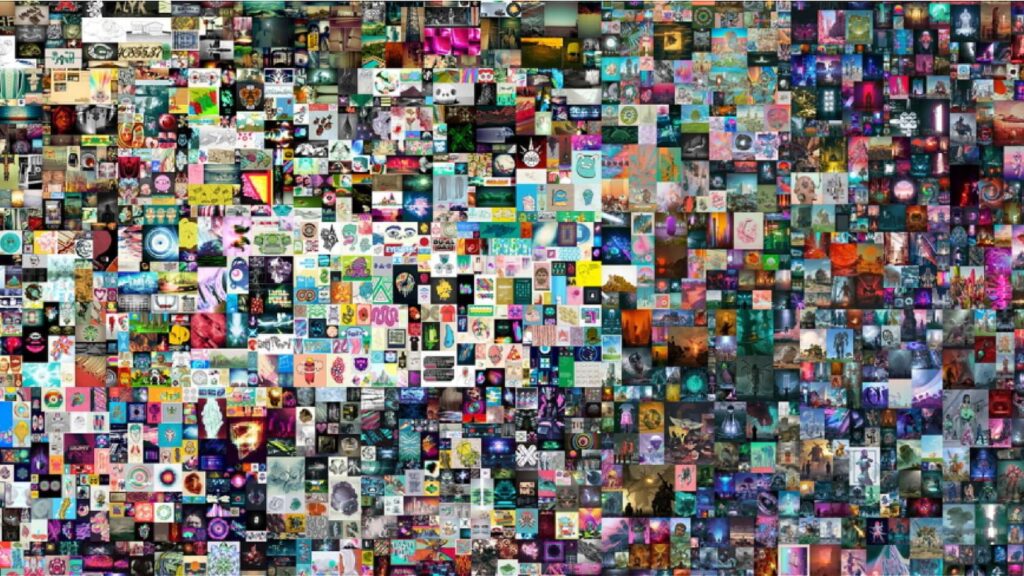
Perhaps the most famous example is Mike Winkelmann, known as Beeple. Beeple made headlines in 2021 when his digital artwork “Everydays: The First 5000 Days” sold at Christie’s auction for a staggering $69 million. Beeple’s work, a collage of 5,000 individual images created over 13 years, is a testament to the growing value of digital art and the legitimacy of NFTs in the mainstream art world.
2. Pak:
Source: mixmag.com.tr
Pak, another prominent figure in the NFT art world, is known for creating minimalist digital art that plays with form and space. Pak’s “Merge” project sold over $91 million worth of NFTs, with each buyer receiving a unique token representing a piece of the larger artwork. This innovative approach shows how NFTs can challenge the traditional art market by allowing for collective ownership of a single work.
3. Trevor Jones:
Source: trevorjonesart.com
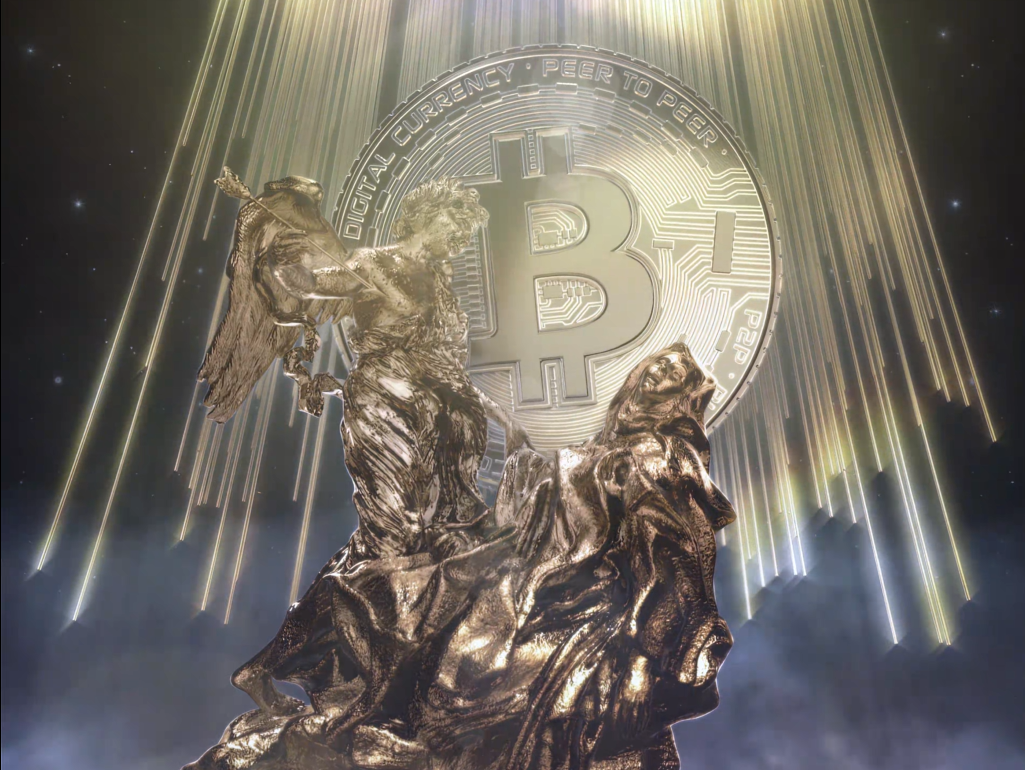
Trevor Jones is an artist who has combined traditional painting techniques with digital technology, creating animated NFT pieces that have garnered significant attention. His “Bitcoin Angel” NFT sold for $3.2 million, demonstrating the power of blending traditional and digital mediums to create new forms of art.
4. FEWOCiOUS:
Source: fewocious.com
FEWOCiOUS, a young digital artist, has rapidly risen to fame in the NFT world. At just 18 years old, FEWOCiOUS has sold millions worth of NFTs, including a notable auction where three pieces of art sold for over $2 million. This success story illustrates how NFTs are providing young, emerging artists with opportunities to showcase their work and connect with collectors on a global scale.
5. Mad Dog Jones:
Source: opensea.io
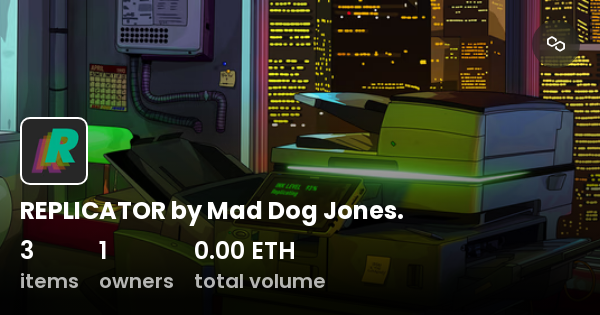
Mad Dog Jones, a Canadian digital artist, is known for his vibrant, cyberpunk-inspired artworks. His NFT piece, “Replicator,” sold for $4.1 million at auction. The work was designed to create new NFTs over time, adding an interactive and generative element to the art, showcasing the potential of NFTs for innovative artistic expression.
Is NFT Art a Good Investment?
Investing in NFT art is driven mostly by the investor’s choice. NFTs are fantastic for avid supporters and collectors of unique forms of art, especially where there is a massive support for digital artists. But if one looks at it as a financial investment, then, one should be aware of the potential dangers. The NFT Art market also depends on emerging trends, with the prices at times changing drastically. Like with any other speculation, bet or investment, it is advisable to research about it, appreciate the risks involved and refrain from gambling with money that one can’t afford to lose.
The Future of NFT Art:
The world of NFTs is still diffusely explored, and their true potential is yet to be revealed. With more artists adopting the technology, and with evolving platforms, the NFT art space is quite likely to expand. The development may also lead to involvement of more traditional galleries and museums, along with emerging creative forms such as the virtual reality art shows and augmented reality installations.
It’s also possible that NFTs will evolve beyond art into other sectors such as real estate, gaming, and fashion. However, for now, their impact on the art world is undeniable. NFTs are providing a new way for artists to make a living, for collectors to engage with art, and for the public to experience creativity in ways never before possible.
NFT art is certainly stirring the pot and raising many important questions about the future of creativity, ownership, and value. What do you think? Is NFT art a revolutionary new medium, or just another trend? Do you see yourself buying an NFT, or do you prefer more traditional art forms? I’d love to hear your thoughts.
And if you’re interested in staying updated on the latest trends in NFT art, Web3, emerging technologies, and the world of investing, don’t forget to subscribe to our newsletter!
Ethereum co-founder Vitalik Buterin has laid out further plans to improve the blockchain’s Proof-of-Stake (PoS) system through a new upgrade called “The Verge.”
In a blog post published on Oct. 23, Buterin explained that while running an Ethereum node is technically possible on a standard laptop, the current system’s data requirements make it impractical for many users.
Operating a node demands hundreds of gigabytes of data to verify blocks, and this data grows by about 30 GB each year. These high storage needs restrict the number of users who can run fully verifying nodes on Ethereum.
Buterin’s proposed Verge update addresses this challenge by introducing “stateless client verification,” which allows devices to validate blockchain data without storing the entire dataset locally.
He explained:
“The Verge is about changing this, and making fully-verifying the chain so computationally affordable that every mobile wallet, browser wallet, and even smart watch is doing it by default.”
The Verge
Initially, “The Verge” focused on adopting Verkle trees, a data structure that facilitates more compact proofs and enables the stateless verification of Ethereum blocks.
However, the scope has since broadened. The update now aims to make Ethereum verification more resource-efficient by combining stateless validation techniques and advanced cryptographic proofs like SNARKs (Succinct Non-Interactive Arguments of Knowledge).
SNARKs allow one party to prove they hold certain information without disclosing the details, making it possible to verify complex transactions swiftly on-chain. Buterin believes this technology could enable Ethereum’s blockchain to be verified on small devices like smartwatches, expanding the potential for widespread participation in the network.
Stateless verification, in particular, eliminates the need for nodes to store all blockchain data. Instead, each block would include a “witness” containing the essential data and cryptographic proofs needed to validate the block.
This shift toward stateless clients is crucial, as it reduces storage demands and accelerates blockchain performance. This would improve the overall user experience while lowering the barriers to running Ethereum nodes, making solo staking much more accessible.
To implement these changes, Buterin proposes replacing Ethereum’s current state structure, known as the Merkle Patricia tree, with either Verkle trees or STARKed binary hash trees. While STARKs serve a similar function to SNARKs, they offer additional benefits in terms of scalability and security, helping Ethereum overcome some of the limitations of its existing proof systems.