Bitcoin witnessed a sharp sell-off on Monday, with the asset’s single-day performance giving up more than half of the gains made last week.
The world’s largest crypto fell 4.8% on the day to just above $93,000, with Monday’s drop totaling more than $4,800. For context, that’s more than 55% of last week’s $8,100 runup.
Still, analysts say the move is likely part of traders rebalancing their positions as they look to the end of the year, particularly in late December, which has proven to be a favorable month in the past.
“We see a combination of two catalysts pushing Bitcoin’s price down temporarily,” Ryan McMillin, chief investment officer at crypto fund manager Merkle Tree Capital, told Decrypt.
He pointed to a “sell wall” just below the “psychological barrier” right around $100,000, where traders are looking to capitalize on an explosive run following President-elect Donald Trump’s victory three weeks ago.
McMillin also pointed to a build-up of leveraged longs, or those betting on higher prices, as “too tempting” for market makers not to chase.
In other words, market makers who facilitate liquidity may intentionally drive prices down to trigger a liquidation of those leveraged longs.
Liquidations spiked on Monday to $550 million, 70% of which came from long positions. It follows a similar trend observed on Sunday. Still, McMillin says this is just part of normal market behavior.
“There isn’t much liquidity below $92,000, so that looks like the floor for this move,” McMillin said. “We expect the market to go and retest $100,000 before the week is out.”
Others agree, claiming Monday’s move is a part of typical market dynamics with traders hedging against potential downside risks, likely in response to recent moves.
“Pullbacks like these are not uncommon in bull markets,” Nick Forster, founder of DeFi derivatives protocol, Derive, told Decrypt. “We are seeing strong structural tailwinds for Bitcoin, bolstered by favorable conditions such as the interest-rate cutting cycle and evolving regulatory frameworks.”
Other cryptos in the top 10 by market capitalization have also dipped, with Dogecoin (DOGE) taking the most significant hit, down about 9.5% to $0.38, CoinGecko data shows.
Daily Debrief Newsletter
Start every day with the top news stories right now, plus original features, a podcast, videos and more.
Exploring the Sandbox Metaverse: Features and Opportunities
Why is the Sandbox Metaverse Popular?
Sandbox Metaverse vs. Other Virtual Worlds
Can you make money with The Sandbox?
Challenges of the Sandbox Metaverse
The Future of the Sandbox Metaverse
Imagine a world where you can buy land, create unique experiences, and trade your creations, all within a virtual space. Welcome to The Sandbox Metaverse, a decentralized platform where imagination meets blockchain. Whether you’re a gamer, an artist, or an entrepreneur, the Sandbox offers endless opportunities to build, explore, and monetize your virtual dreams.
In this blog, we’ll delve into the Sandbox Metaverse‘s ins and outs, exploring its history, features, mechanics, and why it’s a revolutionary player in the metaverse space.
What is the Sandbox Metaverse?
Picture Courtesy: mpost.io
The Sandbox Metaverse is a blockchain-based virtual world where users can create, own, and monetize their gaming experiences. Powered by Ethereum and later integrating Polygon for scalability, the Sandbox merges gaming with decentralized finance (DeFi) and non-fungible tokens (NFTs).
Unlike traditional games where content is owned by developers, the Sandbox gives players full ownership of their creations, facilitated through NFTs. This makes the platform not just a game but a digital economy.
A Brief History of the Sandbox:
Picture Courtesy: youtube.com>CameronExplores
The Sandbox’s journey is a fascinating evolution from a humble mobile game to one of the most dynamic blockchain-based metaverse platforms. Here’s a glimpse into its history:
1. The Beginnings (2012): The Mobile Game Era
The Sandbox was first developed as a 2D mobile game by Pixowl Inc. in 2012, where the idea was simple yet addictive: players created, destroyed, and shared voxel-based worlds. In those earlier versions, it closely resembled other titles such as Minecraft, focusing on user creativity and sandbox-style gameplay.
2. The Blockchain Pivot (2018):
Animoca Brands, a company that has long been a leader in blockchain gaming, acquired Pixowl and transformed the Sandbox into a decentralized, blockchain-driven metaverse. The aim was to give users real ownership of their creations with the power of NFTs.
3. SAND and LAND Launch (2020):
The SAND token was the native cryptocurrency of the Sandbox, meant to propel transactions, governance, and staking within the ecosystem.
The first LAND sales took place, which enabled users to buy virtual real estate as NFTs. LAND parcels quickly became a fundamental part of the platform, and people and brands flocked.
Together, LAND ownership and SAND transactions transformed Sandbox into more than just a game-it became the very thriving virtual economy.
4. Significant Partnerships and Growth (2021-2023):
Through key partnerships, Sandbox established itself as the leader in the metaverse by working with:
Atari: Atari on developing retro gaming experiences.
Snoop Dogg: Snoop Dogg to develop a Snoop-themed mansion and stage virtual concerts.
Adidas: Adidas on branded virtual spaces and collectibles.
The Walking Dead: The Walking Dead on an immersive, zombie-filled gameplay experience.
5. Scaling the Vision (2024+):
Scalability Enhancements through the inclusion of the Polygon network to decrease transaction costs and expedite speed. Community Growth through features that empower creators and players to shape the metaverse. Tools Innovations through constant updates on VoxEdit and Game Maker for even more sophisticated creations.
How Does the Sandbox Work?
Picture Courtesy: thebitcoinmagazine.org
The Sandbox operates as a decentralized metaverse platform where users can create, own, and monetize their digital experiences. It seamlessly integrates blockchain technology, user-generated content, and gamification to offer a robust ecosystem for players, creators, and brands. Here’s a detailed look at how it works:
1. Core Components of the Sandbox Ecosystem:
SAND is literally the lifeblood of the Sandbox ecosystem. It is a native cryptocurrency, making it eligible for all transactions within the platform. Several use cases for SAND include buying LAND, purchasing in-game assets, payment of experiences, attending events, and participating in the governance of the ecosystem through voting on decisions to be made on the platform through a Decentralized Autonomous Organization (DAO), as well as staking for earning.
LAND is virtual real estate that exists in the form of NFTs. Each piece of LAND is unique and holds different potential. Players can buy LAND to build and host games, experiences, or virtual galleries. Landowners can monetize their parcels by renting them to other users or charging fees for access to their creations. The finite number of LAND parcels, that is, 166,464 in total, is added to the value and desirability of each piece.
VoxEdit is a 3D voxel modeler that is specifically used to help users build digital assets. Users can design characters, objects, and animations. Upon completing their creations, they can mint them into NFTs and sell them in the marketplace of the Sandbox. Anyone can use VoxEdit without any experience in 3D modeling.
The Game Maker is a no-code platform used to build games and interactive experiences. Drag-and-drop mechanics are present, along with pre-made templates for quick development, and there is room for full customization. The users can share their creations with the community, attract players, and earn revenue from them.
The marketplace based on Sandbox is a place for buying and selling NFT assets. Here, creators could sell voxel creations, avatars, or even items, while buyers could buy unique in-game assets or collectibles. The marketplace is decentralized with transparency and security.
2. Blockchain Technology Underlying the Sandbox:
The Sandbox uses blockchain to ensure true ownership, security, and transparency. Initially, it was constructed on the Ethereum network and therefore leverages the robustness of the whole smart contract capability of the platform. However, due to high gas fees and scalability issues, the integration with Polygon meant having faster and cheaper transactions within it. All NFTs in the Sandbox are in accordance with ERC-721 and ERC-1155 standards, making them rare and collectible as well as transferable.
3. How to Use the Sandbox:
Transactions in the Sandbox are based on SAND. The players, at a sale, will be allowed to pay in SAND or even Ethereum to buy LAND NFTs. They can sell their creation or LAND NFTs in the marketplace for earning SAND or other cryptocurrencies. Users who have SAND tokens can earn passive rewards with extra tokens or even exclusive assets through staking.
4. Setting Up and Playing in the Sandbox:
Creators can use the tools of VoxEdit and Game Maker to design assets and create immersive experiences. They can even mint their creations as NFTs and monetize them through sales or access fees. Players, for their part, have a variety of experiences and prospects: purchasing or renting LAND, exploring games and experiences, and earning rewards through play-to-earn mechanics with community events, contests, and social hubs.
5. Decentralization and Community Governance:
As a decentralized metaverse, the Sandbox empowers its users through a DAO. SAND token holders play a key role in decision-making, from platform updates to fund allocation. The community-driven approach allows creators and players to collectively shape the platform’s future.
6. Monetization Opportunities:
The idea of the Sandbox is focused on creativity and engagement. Players can undertake play-to-earn mechanisms to be able to get SAND tokens. Artists and creators can mint and sell voxel-based NFTs. Landowners can acquire revenue by leasing it or hosting paid events. Users can organize concerts, exhibitions, or educational events in the virtual space to receive revenue.
7. Interoperability and Future Growth:
The Sandbox will become increasingly interoperable with other metaverse platforms so that there are no seams in the digital experience when people step between virtual worlds. Perhaps future development will involve cross-platform sharing of assets and identities between metaverses, as well as AI-driven tools and support for VR to increase immersion.
How to Get Started in the Sandbox?
Picture Courtesy: youtube.com>RCSU
The Sandbox is an exciting gateway to a decentralized virtual world where you can play games, create experiences, or own virtual land. Whether you’re a player, creator, or investor, joining this metaverse is simple and accessible. Here’s a step-by-step guide to help you get started.
Step 1: Create an Account
Go to sandbox.game and sign up using your e-mail or connect a digital wallet like MetaMask. A wallet is necessary for secure transactions and NFT ownership.
Step 2: Customize Your Avatar
Create your personal avatar to experience the Sandbox world. Through the avatars’ customization tools, you create a unique look that represents you in the metaverse.
Step 3: Get SAND Tokens
Obtain SAND on an exchange like Binance or Coinbase and transfer the tokens to your wallet. SAND is used in transactions, including buying LAND or assets.
Step 4: Explores the Marketplace
Visit the Sandbox marketplace to browse NFTs, in-game assets, or LAND. Utilize your SAND to purchase items that you can utilize within the platform and even trade for additional value.
Step 5: Learn to Create
Download VoxEdit to design assets or use the Game Maker to build the most interactive experience. The best part is that both are free and quite user-friendly.
Step 6: Buy LAND (Optional)
If you’re a businessperson, buy LAND NFTs to construct and monetize your virtual estate. It can host games, events, or galleries.
Step 7: Join the Community
Join the Sandbox community on Discord or Telegram and participate in events, contests, and social hubs to gain valuable insights and networking.
Step 8: Play, Create and Earn
Discover user-generated games, design your own experiences, and monetize your creativity. The play-to-earn model ensures you can earn SAND tokens through your actions.
Exploring the Sandbox Metaverse: Features and Opportunities
Picture Courtesy: 101blockchains.com
The Sandbox isn’t just a virtual playground; it’s a dynamic ecosystem brimming with opportunities for gamers, creators, and investors alike. Its unique blend of gaming, blockchain, and community-driven creativity makes it a standout platform in the metaverse landscape. Let’s dive into its features and the exciting opportunities it offers.
1. Decentralized Governance:
The Sandbox is decentralized through a Decentralized Autonomous Organization (DAO). The SAND token holders are able to vote on whatever decisions the platform, fund allocations, and feature development will be. This makes sure that the future of the platform is shaped in an interactive dialogue between the community and themselves.
2. Integration with Blockchain Technology:
It focuses on enhancing transparency, security, and decentralization through blockchain integration. Originating on Ethereum, the platform now also uses Polygon to help engage in faster and cheaper transactions. NFTs are always based on standards of ERC-721 and ERC-1155, which help preserve uniqueness and transferability. The blockchain technology supports the entire ecosystem, from the ownership of assets to transactions, creating a trustless and secure environment.
3. Opportunities for Gamers:
It is an open sandbox of ample opportunity for gamers to play, earn, and have fun. With user-generated games and adventures, quests, and challenges to gain SAND tokens, and immersive environments where creativity blends with gameplay, the competitive players get an opportunity to compete on tournaments and also on the leaderboard while giving their all to win some good rewards-a different entertainment level in the game.
4. Investment Opportunities:
For investors, the Sandbox offers various profitable investments. For instance, LAND is a virtual real estate that has become quite prized with limited availability and increasing demand. Then, native SAND tokens will increase in value with the development of the Sandbox. Finally, rare and exclusive NFTs can be sold at a higher price, making them a valuable investment for collectors. These investments give investors the possibility of diversifying their portfolio while engaging with the Sandbox’s evolving ecosystem.
5. A Hub for Brands and Businesses:
The Sandbox serves as a powerful platform for brands and businesses to expand their presence in the digital realm. Companies can purchase LAND to create branded experiences, host events, or build virtual stores. Brands like Adidas, Atari, and Snoop Dogg have already partnered with the Sandbox, showcasing its potential for marketing and engagement. This opens a new frontier for businesses to connect with younger, tech-savvy audiences in innovative ways.
6. Educational and Collaborative Potential:
Beyond playing and entertaining, the Sandbox has enormous potential to be an educational resource. The LAND can host virtual classrooms and workshops which may be useful for institutions and educators as a means of having an interactive learning experience. The collaborative potential on the Sandbox allows users to co-create projects, hence teamwork and innovation. Such features make this platform valuable to formal as well as informal learning.
7. Infinite Future Hopes:
The Sandbox is continually evolving, with plans to integrate new technologies and expand its functionality. Virtual reality (VR) support could enhance immersion, bringing players closer to a fully realized metaverse. Partnerships with other metaverse platforms may enable cross-platform interoperability, while AI-driven tools could streamline creation processes, empowering users to build even more complex and engaging experiences. As technology advances, the Sandbox remains at the forefront, offering limitless opportunities for exploration and growth.
Why is the Sandbox Metaverse Popular?
The Sandbox Metaverse is popular because it combines gaming, creativity, and blockchain technology, offering users a decentralized platform where they can create, own, and monetize virtual experiences. Its intuitive tools like VoxEdit and Game Maker make asset creation accessible, while features like NFT ownership and play-to-earn mechanics attract gamers and investors.
1. User-Driven Content Creation: Players have the freedom to create anything they imagine, from simple buildings to complex games.
2. Economic Incentives: The play-to-earn model allows users to monetize their time and creativity.
3. Brand Collaborations: Partnerships with global brands like Warner Music Group and Gucci make the Sandbox a hub for exclusive events and branded experiences.
4. Community Governance: Through a decentralized autonomous organization (DAO), players vote on platform updates and policies using SAND tokens.
Sandbox Metaverse vs. Other Virtual Worlds
Let’s see differences between sandbox metaverse and other metaverse games.
FeatureSandbox MetaverseDecentralandRobloxMinecraftCore FocusBlockchain-based gaming and virtual asset ownershipDecentralized virtual social platform with focus on real estateUser-generated gaming experiences for all age groupsCreative sandbox gameplay with an emphasis on construction and explorationBlockchain IntegrationYes, built on Ethereum and PolygonYes, built on EthereumNoNoNFT SupportFull NFT integration for assets, LAND, and creationsFull NFT integration for virtual land and wearablesNoNoMonetizationCreate, sell, and trade NFTs; play-to-earn mechanicsSell land and digital assets; build experiences to monetizeGame creators can earn Robux, the in-game currency, by selling items or gamesLimited monetization through custom servers and modsOwnershipTrue ownership of virtual assets via blockchainTrue ownership of land and NFTs via blockchainUsers do not own in-game assets, as Roblox owns the platformNo ownership; players have rights only within the ecosystemAccessibilityFree tools like VoxEdit and Game Maker for creators; browser-based and desktop versionsBrowser-based access, desktop, and VR supportApps available on desktop, mobile, and gaming consolesAvailable on PC, consoles, and mobile devicesCommunity EngagementHighly social with events, multiplayer games, and collaborative toolsSocial features and events like virtual meetups and conferencesStrong social interaction through games and forumsCollaborative gameplay through servers; lacks integrated social toolsGovernanceDecentralized Autonomous Organization (DAO) with community votingDAO for governance and platform decisionsCentralized governance managed by Roblox CorporationFully centralized governance managed by Mojang (Microsoft)Graphics StyleVoxel-based 3D graphicsPolygonal 3D graphicsCartoonish and diverse styles depending on game creatorsPixelated, block-style visualsVirtual LandLimited LAND parcels that can be purchased and developedLimited virtual land available for purchaseNo virtual land conceptNo virtual land: players build within procedurally generated worldsRevenue ModelMarketplace transactions using SAND tokens and LAND salesMarketplace transactions using MANA tokens and land leasingCommission on Robux purchases and in-game transactionsOne-time game purchase; some revenue from mods and serversTarget AudienceGamers, creators, and blockchain enthusiastsInvestors, creators, and virtual community buildersCasual gamers and creators, especially younger audiencesCasual gamers and creative builders
Can you make money with The Sandbox?
Yes, you can make money with The Sandbox through the following ways:
1. Creating and Selling NFTs: Design unique voxel-based assets using VoxEdit, mint them as NFTs, and sell them in the Sandbox Marketplace.
2. Buying and Selling LAND: Purchase virtual land parcels, develop or hold them, and sell later at a profit.
3. Play-to-Earn Mechanics: Earn SAND tokens by completing in-game quests, challenges, or participating in events.
4. Monetizing Games: Create games using the Game Maker tool and charge players for access or earn rewards.
5. Renting LAND: Rent out your virtual property to creators or businesses for passive income.
6. Trading NFTs: Buy and sell rare or exclusive NFTs on the marketplace for a profit.
7. Staking SAND Tokens: Stake SAND to earn rewards, including additional tokens and exclusive NFTs.
Challenges of the Sandbox Metaverse:
Picture Courtesy: salesforceben.com
While the Sandbox is groundbreaking, it faces challenges:
1. High Entry Costs: Buying LAND or SAND tokens can be expensive for new users.
2. Technical Barriers: Requires knowledge of blockchain wallets and NFT transactions, which can deter beginners.
3. Scalability Issues: As user demand grows, network congestion and high gas fees may arise.
4. Competition: Competing with other metaverse platforms like Decentraland, Roblox, and Minecraft.
5. Adoption Hurdles: Limited mainstream adoption of blockchain-based virtual worlds.
6. Security Concerns: Risk of hacks or scams in NFT trading and wallets.
The Future of the Sandbox Metaverse:
The future of the Sandbox Metaverse looks promising as it continues to evolve with advancements in blockchain technology and user-driven content creation. With plans for virtual reality (VR) integration, enhanced interoperability with other metaverse platforms, and growing partnerships with major brands, the Sandbox is poised to expand its ecosystem. Its play-to-earn model, decentralized governance, and focus on empowering creators ensure sustained interest from gamers, investors, and businesses. As mainstream adoption of metaverses grows, the Sandbox is well-positioned to lead the charge in shaping immersive digital experiences.
The Sandbox Metaverse isn’t just a game; it’s a platform that empowers creativity, fosters community, and offers financial opportunities. Whether you’re an artist, a developer, or a casual gamer, the Sandbox invites you to be part of its growing universe.
What would you create if you had a piece of the Sandbox? Share your ideas in the comments below!
For more insights and updates on Web3, be sure to subscribe to our newsletter. Stay informed on the latest trends and developments in the decentralized world!
From TikTok trends to crypto wallets, the “Chill Guy” meme has become an internet phenomenon, turning a laid-back cartoon dog into the face of a million-dollar market cap crypto.
Since its November 15 launch, the Chill Guy meme coin ($CHILLGUY) ballooned from a $10 million market cap to over $461 million, driven by the widespread popularity of the Chill Guy character—a relaxed anthropomorphic dog in a grey sweater, blue jeans, and red sneakers.
The Solana-based meme coin has increased in value by 50% over the last 24 hours alone, trading just shy of $0.50, per CoinGecko data. The token’s rise reflects the ongoing craze around meme coins, which continue to defy market norms with their volatile yet lucrative returns.
CHILLGUY features an anthropomorphic brown dog sporting a grey sweater, rolled-up jeans, and red sneakers, captivating audiences with its laid-back demeanor and has become a cultural phenomenon.
Frequently paired with humorous captions on platforms like TikTok, the character embodies a carefree attitude, resonating particularly with Gen Z audiences.
However, the coin’s ascent has not been without controversy. Behind the meme coin’s success lies growing tension as the meme’s creator, Philip Banks, pushes back against what he calls unauthorized exploitation of his work.
“Just putting it out there, Chill Guy has been copyrighted. Like, legally. I’ll be issuing takedowns on for-profit related things over the next few days,” Banks tweeted last week.
While Banks clarified that casual use by brands or individuals isn’t his target—“I just ask for credit. Or Xboxes.”—he noted unauthorized merchandise and shitcoins are crossing the line.
Despite these concerns, early adopters of CHILLGUY have seen massive returns, with one trader turning a $1,000 investment into over $1 million within days.
It isn’t the first time meme coins have demonstrated their ability to convert internet phenomena into financial windfalls.
Recently, the Peanut the Squirrel (PNUT) token—inspired by the viral story of Peanut, a pet squirrel euthanized by New York authorities—reached a $1 billion market cap within two weeks, while the First Convicted Raccoon (FRED) coin climbed 383% in a day.
Edited by Sebastian Sinclair
Daily Debrief Newsletter
Start every day with the top news stories right now, plus original features, a podcast, videos and more.
Getting hands-on with real-world AI projects is the best way to level up your skills. But knowing where to start can be challenging, especially if you’re new to AI. Here, we break down five exciting AI projects you can implement over the weekend with Python—categorized from beginner to advanced. Each project uses a problem-first approach to create tools with real-world applications, offering a meaningful way to build your skills.
1. Job Application Resume Optimizer (Beginner)
Updating your resume for different job descriptions can be time-consuming. This project aims to automate the process by using AI to customize your resume based on job requirements, helping you better match recruiters’ expectations.
Steps to Implement:
Convert Your Resume to Markdown: Begin by creating a simple markdown version of your resume.
Generate a Prompt: Create a prompt that will input your markdown resume and the job description and output an updated resume.
Integrate OpenAI API: Use the OpenAI API to adjust your resume dynamically based on the job description.
Convert to PDF: Use markdown and pdfkit libraries to transform the updated markdown resume into a PDF.
Libraries: openai, markdown, pdfkit
Code Example:
import openai import pdfkit
openai.api_key = “your_openai_api_key”
defgenerate_resume(md_resume, job_description):
prompt = f”””
Adapt my resume in Markdown format to better match the job description below. \
Tailor my skills and experiences to align with the role, emphasizing relevant \
qualifications while maintaining a professional tone.
Resume in Markdown: {md_resume}
Job Description: {job_description}
Please return the updated resume in Markdown format.
“””
This project can be expanded to allow batch processing for multiple job descriptions, making it highly scalable.
2. YouTube Video Summarizer (Beginner)
Many of us save videos to watch later, but rarely find the time to get back to them. A YouTube summarizer can automatically generate summaries of educational or technical videos, giving you the key points without the full watch time.
Steps to Implement:
Extract Video ID: Use regex to extract the video ID from a YouTube link.
Get Transcript: Use youtube-transcript-api to retrieve the transcript of the video.
Summarize Using GPT-3: Pass the transcript into OpenAI’s API to generate a concise summary.
Libraries: openai, youtube-transcript-api, re
Code Example:
import re import openai from youtube_transcript_api import YouTubeTranscriptApi
openai.api_key = “your_openai_api_key”
defextract_video_id(youtube_url):
match = re.search(r'(?:v=|\/)([0-9A-Za-z_-]{11}).*’, youtube_url) return match.group(1) if match elseNone
defget_video_transcript(video_id):
transcript = YouTubeTranscriptApi.get_transcript(video_id)
transcript_text = ‘ ‘.join([entry[‘text’] for entry in transcript]) return transcript_text
defsummarize_transcript(transcript):
response = openai.Completion.create(
model=“gpt-3.5-turbo”,
messages=[{“role”: “user”, “content”: f”Summarize the following transcript:\n{transcript}“}]
) return response.choices[0].text
With this tool, you can instantly create summaries for a collection of videos, saving valuable time.
3. Automatic PDF Organizer by Topic (Intermediate)
If you have a collection of research papers or other PDFs, organizing them by topic can be incredibly useful. In this project, we’ll use AI to read each paper, identify its subject, and cluster similar documents together.
Steps to Implement:
Read PDF Content: Extract text from the PDF’s abstract using PyMuPDF.
Generate Embeddings: Use sentence-transformers to convert abstracts into embeddings.
Cluster with K-Means: Use sklearn to group documents based on their similarity.
Organize Files: Move documents into folders based on their clusters.
for i, pdf_path in enumerate(pdf_paths):
folder_name = f”Cluster_{labels[i]}“
os.makedirs(folder_name, exist_ok=True)
shutil.move(pdf_path, os.path.join(folder_name, os.path.basename(pdf_path)))
This organizer can be customized to analyze entire libraries of documents, making it an efficient tool for anyone managing large digital archives.
4. Multimodal Document Search Tool (Intermediate)
Key information may be embedded in both text and images in technical documents. This project uses a multimodal model to enable searching for information within text and visual data.
Steps to Implement:
Extract Text and Images: Use PyMuPDF to extract text and images from each PDF section.
Generate Embeddings: Use a multimodal model to encode text and images.
Cosine Similarity for Search: Match user queries with document embeddings based on similarity scores.
This multimodal search tool makes it easier to sift through complex documents by combining text and visual information into a shared search index.
5. Advanced Document QA System (Advanced)
Building on the previous project, this system allows users to ask questions about documents and get concise answers. We use document embeddings to find relevant information and a user interface to make it interactive.
Steps to Implement:
Chunk and Embed: Extract and embed each document’s content.
Create Search + QA System: Use embeddings for search and integrate with OpenAI’s API for question-answering.
Build an Interface with Gradio: Set up a simple Gradio UI for users to input queries and receive answers.
demo = gr.ChatInterface(
fn=generate_response,
examples=[{“text”: “Explain this document section”}]
)
demo.launch()
This interactive QA system, using Gradio, brings conversational AI to documents, enabling users to ask questions and receive relevant answers.
These weekend AI projects offer practical applications for different skill levels. From resume optimization to advanced document QA, these projects empower you to build AI solutions that solve everyday problems, sharpen your skills, and create impressive additions to your portfolio.
The Rise of Web3: How Blockchain Technology is Revolutionizing the Internet
The internet has become an integral part of our daily lives, from communication and entertainment to shopping and banking. However, with the rise of centralized platforms and data breaches, concerns about privacy and security have also increased. This has led to the emergence of Web3, a new era of the internet that is powered by blockchain technology.
Web3, also known as the decentralized web, is a term used to describe the next generation of the internet. It is built on the principles of decentralization, transparency, and security, and aims to give users more control over their data and online interactions. This is made possible through the use of blockchain technology, which is the backbone of Web3.
Blockchain technology is a decentralized ledger that records and stores data in a secure and transparent manner. It is the technology behind cryptocurrencies like Bitcoin and Ethereum, but its potential goes far beyond just digital currencies. With its decentralized nature, blockchain eliminates the need for intermediaries, making it a more efficient and secure way to store and transfer data.
One of the key innovations of Web3 is the concept of self-sovereign identity. In the current internet landscape, users have to rely on centralized platforms to store and manage their personal information. This puts their data at risk of being hacked or misused. With Web3, users have full control over their identity and can choose what information they want to share with different platforms. This not only enhances privacy but also reduces the risk of identity theft.
Another major innovation of Web3 is the concept of decentralized applications (DApps). These are applications that run on a decentralized network, rather than a single server. This makes them more resilient to cyber attacks and censorship, as there is no central point of failure. DApps also offer a more transparent and fair system, as they are governed by smart contracts that are executed automatically without the need for intermediaries.
Web3 is also revolutionizing the way we handle financial transactions. With the use of blockchain technology, payments can be made directly between two parties without the need for a bank or other financial institution. This not only reduces transaction fees but also eliminates the risk of fraud and chargebacks. Additionally, blockchain-based payment systems are faster and more efficient, as they operate 24/7 and can process transactions in a matter of seconds.
The rise of Web3 has also given birth to the concept of decentralized finance (DeFi). DeFi refers to financial services that are built on blockchain technology, such as lending, borrowing, and trading. These services operate without the need for intermediaries, making them more accessible and affordable for users. DeFi has the potential to disrupt traditional financial systems, as it offers a more inclusive and transparent alternative.
Web3 is not just limited to financial and identity-related innovations. It is also transforming the way we interact with content on the internet. With the rise of Web3, content creators can now monetize their work directly without relying on advertising revenue or third-party platforms. This is made possible through the use of blockchain-based content platforms, where users can pay for access to premium content using cryptocurrencies.
In conclusion, Web3 is revolutionizing the internet in ways we could have never imagined. Its decentralized and transparent nature is paving the way for a more secure, fair, and inclusive online world. With the rise of Web3, we can expect to see more innovations and advancements in various industries, from finance and identity management to content creation and beyond. It is an exciting time to be a part of this technological revolution, and the potential for a better internet is endless.
Exploring the Potential of Web3: A Look into Decentralized Applications and Smart Contracts
The internet has revolutionized the way we live, work, and communicate. With the rise of Web 2.0, we saw the emergence of social media, e-commerce, and other interactive platforms that have transformed the digital landscape. However, as technology continues to advance, we are now entering a new era of the internet – Web3. This next generation of the internet is set to bring about even more significant changes, particularly in the realm of decentralized applications and smart contracts.
Web3, also known as the decentralized web, is a term used to describe the evolution of the internet from a centralized system to a decentralized one. This means that instead of relying on a central authority, Web3 operates on a peer-to-peer network, where users can interact directly with each other without the need for intermediaries. This shift towards decentralization has been made possible by the development of blockchain technology.
Blockchain technology is the backbone of Web3, and it is what enables the creation of decentralized applications (DApps) and smart contracts. DApps are applications that run on a decentralized network, making them resistant to censorship and tampering. These applications are built on blockchain technology, which ensures that all data and transactions are transparent and immutable. This means that DApps can provide a level of security and trust that traditional centralized applications cannot.
One of the most significant advantages of DApps is their potential to disrupt traditional industries. For example, in the financial sector, DApps can provide an alternative to traditional banking systems by allowing for peer-to-peer transactions without the need for intermediaries. This not only reduces transaction fees but also eliminates the risk of fraud and manipulation. Similarly, in the healthcare industry, DApps can improve the security and privacy of patient data by storing it on a decentralized network, making it less vulnerable to cyber attacks.
Another crucial aspect of Web3 is smart contracts. Smart contracts are self-executing contracts that are coded on a blockchain network. These contracts can automatically enforce the terms and conditions agreed upon by the parties involved, without the need for intermediaries. This not only reduces the time and cost of contract execution but also eliminates the potential for human error. Smart contracts have the potential to revolutionize various industries, from supply chain management to real estate.
One of the most significant developments in the world of Web3 is the creation of decentralized autonomous organizations (DAOs). DAOs are organizations that operate on a decentralized network, with decisions being made through a consensus of its members. These organizations have no central authority, and all decisions are transparent and immutable, making them resistant to corruption. DAOs have the potential to transform the way businesses are run, as they provide a more democratic and decentralized approach to decision-making.
However, as with any new technology, Web3 also has its challenges. One of the main obstacles is the lack of user-friendly interfaces and adoption. While blockchain technology and DApps have been around for some time, they are still relatively new to the general public. This means that there is a learning curve for users to understand and navigate these decentralized networks. Additionally, there is a need for more user-friendly interfaces and applications to encourage widespread adoption.
In conclusion, Web3 is set to bring about significant changes in the digital landscape, particularly in the areas of decentralized applications and smart contracts. With its potential to disrupt traditional industries and provide a more secure and transparent way of conducting transactions, Web3 has the power to transform the way we interact with the internet. However, for this potential to be fully realized, there is a need for more user-friendly interfaces and widespread adoption. As we continue to explore the potential of Web3, it is clear that we are entering a new era of the internet that has the power to shape our future in ways we never thought possible.
Web3 and the Future of E-commerce: How Blockchain is Changing the Way We Shop Online
In recent years, the term “Web3” has been gaining traction in the tech world. But what exactly does it mean and how is it impacting the future of e-commerce? In this article, we will explore the concept of Web3 and how blockchain technology is revolutionizing the way we shop online.
Web3, also known as the decentralized web, is the next generation of the internet. It is built on the principles of decentralization, transparency, and user control. Unlike the current web, which is controlled by a few centralized entities, Web3 is a peer-to-peer network where users have more control over their data and interactions.
One of the key technologies driving Web3 is blockchain. Blockchain is a distributed ledger technology that allows for secure and transparent transactions without the need for intermediaries. This means that users can transact directly with each other, cutting out the middlemen and reducing costs.
So, how is Web3 changing the e-commerce landscape? Let’s take a closer look.
First and foremost, Web3 is making online shopping more secure. With traditional e-commerce platforms, users have to trust the platform to keep their personal and financial information safe. However, with Web3, transactions are encrypted and stored on a decentralized network, making it nearly impossible for hackers to access sensitive data.
Moreover, Web3 is also making online shopping more transparent. With blockchain technology, every transaction is recorded on a public ledger, allowing for complete transparency and traceability. This means that consumers can verify the authenticity of products and track their supply chain, ensuring ethical and sustainable practices.
Another significant impact of Web3 on e-commerce is the elimination of middlemen. Traditional e-commerce platforms charge fees for transactions and often take a cut of the profits. With Web3, these intermediaries are no longer needed, reducing costs for both buyers and sellers. This also means that small businesses and independent sellers can compete with larger corporations on a more level playing field.
Furthermore, Web3 is enabling new business models in e-commerce. One such model is the concept of decentralized marketplaces. These marketplaces are built on blockchain technology and allow for peer-to-peer transactions without the need for a central authority. This not only reduces costs but also gives more power to the users, as they can set their own prices and terms of sale.
In addition to these changes, Web3 is also making online shopping more personalized. With the use of smart contracts, which are self-executing contracts on the blockchain, e-commerce platforms can gather data on consumer preferences and behavior. This data can then be used to create personalized shopping experiences, making it easier for consumers to find what they are looking for.
Moreover, Web3 is also enabling the use of cryptocurrencies in e-commerce. With the rise of digital currencies like Bitcoin and Ethereum, consumers can now make purchases using these currencies on decentralized marketplaces. This not only provides more options for consumers but also reduces the risk of fraud and chargebacks for merchants.
However, like any new technology, Web3 also has its challenges. One of the main challenges is the lack of user-friendly interfaces. Currently, most Web3 applications require some technical knowledge to use, making it less accessible to the general public. However, as the technology evolves, we can expect to see more user-friendly interfaces that will make Web3 more mainstream.
In conclusion, Web3 and blockchain technology are transforming the e-commerce industry in many ways. From increased security and transparency to new business models and personalized shopping experiences, the potential for Web3 in e-commerce is vast. As the technology continues to evolve, we can expect to see even more innovations and advancements in the way we shop online.
The following is a guest post from Leo Li, CVO and Chief Growth Officer at CARV.
Off The Grid could be the mainstream moment we’ve been waiting for in web3 gaming – not because it flaunts blockchain features, but because it doesn’t. The major console release integrates NFTs and blockchain in the background, letting gameplay take center stage. The game is the main appeal, while the blockchain is a bonus that furthers trading, ownership, and expression.
Much like Telegram, which is quietly slipping crypto wallet functionality into hundreds of millions of pockets, game developers realize that simplicity is vital. Hitting gamers over the head with painful onboarding and crypto-heavy concepts can alienate potential players.
The next gaming bull run will not be driven by blockchain games—it will be driven by great games that happen to use blockchain.
The quiet revolution in blockchain gaming
Off The Grid is causing a lot of noise for a game that’s not officially out yet. The cyberpunk battle royale from Gunzilla Games – only available via early access on PC, PlayStation 5, and Xbox Series X – is getting plenty of attention for its tongue-in-cheek violence and gritty visuals from filmmaker Neill Blomkamp (District 9, Elysium).
“Part schlocky satire of streaming culture, part sendup of gamers, all shrewd self-aware storytelling: Off The Grid is a fun time,” CNET wrote in October.
It’s a fun time, indeed, that’s entirely on the blockchain. Blink, and you might miss it, but Off The Grid is a native web3 title built upon an Avalanche subnet. This enables crypto capabilities alongside gameplay, including a forthcoming token and the NFT minting and trading of in-game weapons and skins on OpenSea. The best part? So far, players aren’t obligated to engage with these features. The blockchain and the game are separate yet complementary, with the former intended to enhance the latter rather than override it.
It’s a similar story over on Telegram. Players are flocking to the simplicity and engagement of clicker games inside the chat platform. Thanks to endorsing The Open Network (TON) as its official web3 infrastructure and integrating wallet functionality, Telegram makes it easy for gamers to embrace crypto without knowing it. Gone are complicated onboarding and clunky interfaces. Telegram’s mini-app gaming occurs automatically inside the known and trusted chat platform.
The successes are impressive across the board. TON clicker Notcoin and its eponymous token rose to a market cap of more than half a billion dollars, and BANANA earned 12 million players just over a month after launch. Meanwhile, Off The Grid is also gaining serious traction, with millions of wallets created during the first week of early access before becoming the top free game on the Epic Games Store. The numbers tell a clear story: mass adoption follows when blockchain integration is invisible.
The lesson for blockchain game makers
Since the sector’s inception, we’ve been waiting for the blockchain gaming “mainstream moment.” The one-two punch of Off The Grid and Telegram suggests we’re inching closer, but their wins hold essential lessons for developers.
First, arming your game with blockchain isn’t enough. About 400 crypto games stopped development last year, and since 2018, more than three-quarters of all blockchain games have failed to gain traction and been discontinued. The reason? Games weren’t fun enough, and blockchain features weren’t compelling enough. Going forward, game makers must start with both the game and the blockchain use case before working backward. Without a good game behind it, the blockchain elements never have a chance to take off.
The second lesson is about accessibility. One-quarter of web3 leaders agree that the learning curve for blockchain technology and the lack of user-friendly interfaces remain significant hurdles to adoption. Solutions like CARV ID are instructive here, uniting gamer profiles under one banner to improve interoperability and showcase achievements across games. This new crop of games shows that we need to start with great gameplay, make it easy to access, and bake blockchain into the foundation. This is the best way to make both sides of “blockchain gaming” work together.
In my view, it’s time to think of blockchain gaming like cloud computing—something consumers seldom encounter, but that drives the backend thanks to invisible integration. Just as we don’t think about cloud computing when using Netflix, players shouldn’t have to think about blockchain when inside our games.
Balancing gameplay and blockchain in 2025
Heading into the new year, blockchain gaming is better positioned to break into the mainstream. AAA studios are taking us seriously, and gamers are coming around the idea of blockchain features that further the play experience.
However, there’s a fine line between creating a great game and ensuring meaningful crypto synergy. Neopets Metaverse, an NFT-powered game based on the massively popular 1999 pet simulator, was in development for roughly two years before it was abruptly canceled. The reason? The CEO said gamers “didn’t care“ about blockchain, with the title intended to repurpose it as a regular mobile game. Clearly, the game needs to be good, and adding blockchain needs to make sense, add value, and improve the ecosystem.
Here, understanding the audience is crucial. Gamers trend younger and want better ways to express themselves, own their identities, and make money online – all things blockchain can enable. Therefore, making these features accessible and meaningful with blockchain will drive the next web3 gaming bull run.
This is the challenge for our sector in 2025 – making blockchain relevant to the game, invisible to the player, and powerful enough to drive adoption. It’s now up to us – the developers – to get there. Off The Grid and Telegram are showing us the way forward – put blockchain in the background and let the games lead the charge.
O.XYZ, a blockchain and AI company touting crypto and artificial intelligence services, is facing allegations of falsely inflating its technological claims and engaging in aggressive tactics to suppress dissent within the company.
While founder Ahmad Shadid has defended both his and the company’s actions, multiple sources familiar with the company’s operations who spoke with Decrypt have refuted public claims, alleging widespread misrepresentation of O.XYZ’s capabilities.
O.XYZ positions itself as a community-owned “Super AI” ecosystem. The company claims to leverage substantial GPU computing power, purportedly deploying tens of thousands of open-source models, enabling it to execute a wide array of tasks.
Sources claim the company has exaggerated its capabilities, falsely stating it can connect to over 100,000 AI models, runs 20 times faster than competitors, and owns powerful hardware it doesn’t actually possess.
It’s also accused of inflating the value of its satellite program and misrepresenting its token launch, raising questions about transparency and accountability.
As a result of those allegations, sources claim holders of the company’s recently launched O.XYZ token are at risk of being harmed.
In an emailed statement to Decrypt, Shadid issued a detailed response to concerns raised about the company’s claims, insisting that O.XYZ’s promotional language is “forward-looking” and aligned with its development roadmap.
However, sources who spoke with Decrypt dispute this characterization, pointing to materials on O.XYZ’s website and investor presentations that describe capabilities as existing rather than aspirational.
In June, Shadid stepped down as CEO of Solana-based decentralized infrastructure provider IO.net—a company he founded—amid allegations surrounding his past and misreported company metrics, citing his decision as a move to reduce distractions and focus on the company’s growth.
A public statement Shadid published amid his departure from IO has since been deleted from Twitter (aka X). To avoid conflicts and distance itself from Shadid, IO agreed to offer a “six-figure severance,” one source familiar with the matter told Decrypt. IO earlier this year raised $30 million in a Series A round from notable crypto industry investors, including Hack VC, Solana Labs, Aptos Labs, Multicoin Capital, and Animoca Brands.
Several sources who have previously worked with Shadid described him as a “smart, capable individual” who manages each and every time to assemble a highly experienced team for the job. However, both a former employee and an investor who wished not to be named stated they would “never work with Shadid again.”
Disputed infrastructure and performance claims
In response to allegations that O.XYZ is exaggerating its capabilities, Shadid highlighted the company’s investments in U.S.-based Cerebras Systems hardware and plans to deploy cutting-edge AI data centers, asserting that its infrastructure supports “20x faster” AI processing. He cited benchmarks of Cerebras WSE-3 chips as evidence of O.XYZ’s performance leap.
Sources dismissed those claims as “patently false,” instead alleging O.XYZ has yet to acquire the necessary hardware for such operations, despite Shadid’s claims of “advanced talks” with Cerebras.
“There’s no internal benchmarking supporting the 20x figure,” one source said, who noted that the company’s routing technology might actually increase latency rather than reduce it.
Misleading Starlink and partnership claims
O.XYZ has also promoted itself as being powered by SpaceX’s Starlink, with Shadid emphasizing the technology’s integration within the company’s operations.
He further clarified that the claim refers to O.XYZ’s ongoing infrastructure roadmap, including plans for “maritime connectivity solutions” and future AI capabilities in space slated for 2026.
However, sources strongly contest that narrative. Instead, they assert Starlink is only used for basic internet connectivity in remote areas and plays no role in AI processing.
“No satellite designs exist within the company, and there’s no engineering team capable of developing such capabilities,” one source told Decrypt. They added that there are no ongoing discussions with SpaceX, despite the impression created in marketing materials.
Shadid’s responses also addressed the display of logos from major organizations such as OpenAI and Neuralink, claiming they were used to represent contributors’ backgrounds rather than formal partnerships.
However, sources allege that this practice misleads investors and customers, noting that contributors requested their logos be removed after leaving the company—a request that allegedly has yet to be resolved.
Controversy around token launch
The company’s O.XYZ token launch on October 15 across multiple “lesser-known” exchanges has been another flashpoint. While the token only averages around $23,000 in daily trading volume across all exchanges—with a mere $8.1 million fully diluted token supply valuation—sources say it’s only a matter of time before token holders are harmed.
“There is no way to use the token to pay for anything like API calls for the company AI, nor does the token legally entitle the holder to any assets of the company,” one of the sources said.
Shadid characterized the “initial liquidity pool activation” as occurring during a “testing phase,” which was “immediately communicated to the community.”
“After a thorough market condition analysis, we made a strategic decision to proceed with the launch rather than withdraw the liquidity, effectively advancing our planned token release timeline,” Shadid said.
He added: “This decision was communicated transparently through multiple channels, including Discord and internal communications,” he said. “While the initial activation was unplanned, our subsequent decision to maintain the token’s availability was deliberate and strategic. We maintain comprehensive documentation of all communications throughout this process, demonstrating our commitment to transparency with both our community and stakeholders.”
One former employee who did not wish to be named, for fear of reprisal, shared that they were offered financial incentives tied to a non-disclosure agreement after questioning the ethical implications of the launch.
Another source alleged, “Shadid was testing trading algorithms when the ‘accident’ occurred.”
“Was testing my O.CAPITAL market maker quant systems, and it created a pool on Uniswap, and tokens went live by mistake,” according to a screenshot reviewed by Decrypt of a message from Shadid posted to a general Slack channel for all employees to see. “I can’t take it down.”
Secret recordings also reviewed by Decrypt appear to contradict Shadid’s explanation. Sources say the token launch was instead deliberate, and employees were told differing stories—some that it was intentional, others that it was a “mistake.”
“Totally against what the public-facing company docs would have people believe with lines of transparency and community ownership,” one source said. “Ahmad owns all the tokens effectively and can dump them at a whim.”
Allegations of retaliatory practices
Sources claim that O.XYZ has used non-disclosure agreements to suppress dissent. They described a culture of retaliation, including terminations following inquiries into the company’s operations.
“The NDAs are being weaponized to silence legitimate concerns,” one source alleged.
Shadid defended the company’s contractor-based employment model and strict confidentiality agreements, stating these practices are standard in the industry.
Shadid has not directly addressed the allegations of retaliation, but emphasized O.XYZ’s commitment to “clear, accurate communication” and “comprehensive documentation” of its strategic goals.
In any case, the allegations have led several former employees and contributors to seek legal counsel. Sources Decrypt spoke to say those former employees are now exploring further options to shed light on O.XYZ’s alleged practices.
Generally Intelligent Newsletter
A weekly AI journey narrated by Gen, a generative AI model.
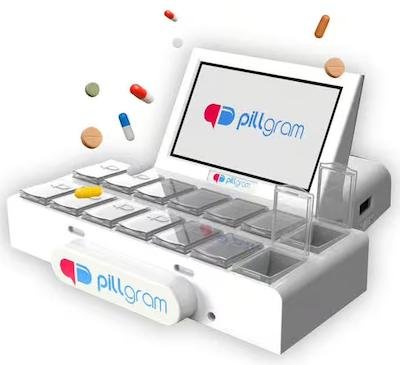
Pillgram, an innovative medication management system designed to simplify the process of taking medications, is set to launch its Kickstarter campaign. Pillgram combines AI-powered technology, real-time monitoring, and caregiver notifications, providing a seamless solution for those managing medication for chronic conditions such as providing a seamless solution for those managing numerous or complicated medication regimes. The campaign aims to fund the final stages of development, offering early supporters exclusive discounts and other benefits.
Pillgram is not just another pill dispenser; it is a comprehensive, AI-assisted medication management solution that integrates with a user-friendly app to provide patients and caregivers peace of mind. The system ensures doses are never missed, tracking and verifying every intake with visual guidance and timed alerts.
“Managing medication should be stress-free and reliable. Pillgram offers an easy-to-use, intelligent solution that supports patients and caregivers at every step of the way,” said Jacques Amar, CEO of Pillgram. “Our Kickstarter campaign invites early backers to be part of this healthcare innovation and benefit from exclusive rewards.”
Pillgram’s key Features Include:
*Timed Alerts & Visual Guidance: The device and app work together to send timely reminders, displaying the correct pill with an illuminated compartment to eliminate confusion.
*Pill Verification & Real-Time Monitoring: Patients confirm their intake through the app or device, allowing caregivers to receive immediate alerts if a dose is missed, ensuring swift action can be taken when necessary.
*Personalized Care & FDA-Integrated Database: Pillgram customizes the medication schedule based on individual needs, providing accurate information and reducing errors through its integration with the FDA’s medication database.
Pillgram’s Kickstarter Campaign and Benefits for Backers
The Kickstarter campaign offers early backers a unique opportunity to support the future of medication management while gaining early access to features and discounted pricing. The funds raised will be directed towards the final phase of development and production, with an estimated delivery timeline communicated transparently to backers.
For more information, or to support their campaign, visit their Kickstarter page at https://www.kickstarter.com/projects/pillgram/pillgram-your-pill-management-simplified [https://www.kickstarter.com/projects/pillgram/pillgram-your-pill-management-simplified?ref=a801f8]Media ContactCompany Name: PillgramCity: Los AngelesState: CaliforniaCountry: United StatesWebsite: http://www.kickstarter.com/projects/pillgram/pillgram-your-pill-management-simplified?ref=a801f8
This release was published on openPR.
About Web3Wire Web3Wire – Information, news, press releases, events and research articles about Web3, Metaverse, Blockchain, Artificial Intelligence, Cryptocurrencies, Decentralized Finance, NFTs and Gaming. Visit Web3Wire for Web3 News and Events, Block3Wire for the latest Blockchain news and Meta3Wire to stay updated with Metaverse News.
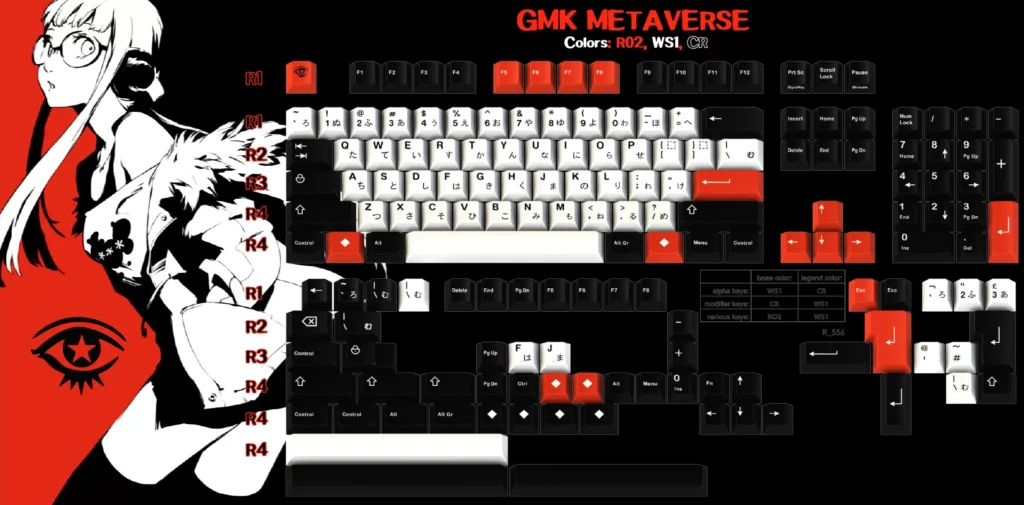
The metaverse, the next frontier of the internet, has captured our imaginations and reshaped how we perceive virtual interactions. Among the many players entering this innovative space, GMK Metaverse has emerged as a formidable contender, offering unique experiences and promising potential. In this blog, we’ll dive deep into GMK Metaverse, exploring its origins, technologies, offerings, and what makes it stand out in the rapidly evolving virtual realm.
What is GMK Metaverse?
Picture Courtesy: geekhack.org
GMK Metaverse is a cutting-edge virtual ecosystem that aims to bridge the gap between the physical and digital worlds. It’s not just a platform for socializing or gaming, it’s a comprehensive environment for work, play, creativity, and commerce. Whether you’re attending a virtual concert, trading digital assets, or collaborating on projects, GMK Metaverse promises seamless and immersive experiences.
The Vision:
The foundation of GMK Metaverse lies in creating a decentralized, user-driven platform where individuals can:
1. Own and trade virtual assets.
2. Collaborate professionally in immersive environments.
3. Explore creative opportunities in virtual spaces.
4. Engage in social experiences that transcend physical barriers.
What sets GMK apart is its commitment to building a cross-reality metaverse that supports both fully immersive Virtual Reality (VR) and Augmented Reality (AR). This flexibility ensures accessibility for users across a variety of devices, from high-end VR headsets to everyday smartphones and PCs.
Key Features of GMK Metaverse:
Picture Courtesy: crazzyhackers.com
GMK Metaverse offers a plethora of features that distinguish it from other platforms in the space. Let’s explore these in detail:
1. Immersive Virtual Real Estate:
The GMK Metaverse features a robust virtual real estate ecosystem, enabling users to buy, sell, lease, and customize digital spaces for various purposes.
Personal Spaces:
Users can own virtual homes that serve as their personalized hubs in the metaverse. These spaces are highly customizable, allowing users to design every corner with unique textures, furniture, and even interactive elements.
Commercial Ventures:
Businesses can establish digital storefronts or corporate offices. Imagine a virtual showroom where customers from across the globe can interact with your products in 3D before purchasing them.
Event Spaces:
Host events like concerts, workshops, or exhibitions in grand, visually stunning environments tailored to your theme.
Unique Aspect:
Unlike many other platforms, GMK’s virtual real estate is not static. Owners can continually upgrade or redesign their spaces to maintain novelty and value.
2. Decentralized NFT Marketplace:
The GMK Metaverse features a comprehensive NFT (Non-Fungible Token) marketplace, leveraging blockchain technology to create a secure and transparent ecosystem for trading digital assets.
Art and Collectibles:
Artists can mint their works as NFTs, gaining access to a global market. Collectors can purchase unique digital NFT art pieces, knowing they have verified ownership.
Gaming Assets:
Players can trade in-game items such as skins, weapons, and characters, creating an economy tied to the platform’s gaming ecosystem.
Exclusive Content:
Musicians, filmmakers, and creators can sell exclusive tracks, videos, or animations as NFTs, opening up new revenue streams.
Live Auctions:
Real-time bidding on rare NFTs brings excitement and engagement to the marketplace.
Collaborative Creation:
Users can team up to develop joint NFT projects, whether it’s an art series or themed collectibles.
Transparency and Security:
GMK ensures that every transaction is logged on the blockchain, preventing fraud or duplication. Buyers and sellers can trade with confidence, knowing their assets are secure and their ownership is verifiable.
Why It’s Special: Unlike traditional marketplaces, the GMK NFT platform integrates directly with the metaverse, allowing users to display, trade, or even use their digital assets in the virtual world.
3. Cross-Reality Integration (VR + AR):
One of the standout features of GMK Metaverse is its seamless integration of Virtual Reality (VR) and Augmented Reality (AR), making it accessible across multiple devices and use cases.
Virtual Reality (VR)
Fully Immersive Experiences:
With VR headsets, users can enter hyper-realistic environments, whether for gaming, meetings, or exploring virtual cities.
Enhanced Interaction:
Gesture controls, voice commands, and haptic feedback create lifelike experiences in virtual spaces.
Augmented Reality (AR):
Blending Physical and Digital Worlds:
Using AR-compatible devices like smartphones or AR glasses, users can overlay virtual elements onto their physical surroundings.
On-the-Go Accessibility:
AR experiences allow users to engage with the metaverse even without specialized VR hardware.
Unified Ecosystem:
Users can transition between VR and AR experiences effortlessly, depending on their device and preferences. For instance, you could explore a VR gallery from home and switch to AR to view virtual art pieces in your living room.
Inclusive Design:
By supporting both VR and AR, GMK ensures its platform is accessible to casual users and tech enthusiasts alike.
4. Social and Professional Spaces:
The GMK Metaverse bridges the gap between entertainment and productivity by offering immersive spaces for socializing, learning, and working.
Customizable Avatars:
Users can create avatars that represent their personality or style, complete with unique outfits, accessories, and animations.
Virtual Meetups:
Host casual gatherings, parties, or themed events in virtual spaces, breaking down geographical barriers.
Shared Experiences:
From watching movies to gaming together, the platform emphasizes group activities.
Virtual Offices and Meeting Rooms:
Companies can set up digital offices with features like shared screens, interactive whiteboards, and 3D data visualization tools.
Training and Education:
GMK supports virtual classrooms, training simulations, and workshops. For instance, aspiring pilots can practice in flight simulators, while medical students can perform surgeries in risk-free environments.
Networking Events:
Virtual trade shows, seminars, and conferences allow professionals to connect globally without logistical constraints.
5. Interactive Gaming Ecosystem:
Gaming is a core aspect of the GMK Metaverse, designed to combine entertainment, social interaction, and financial incentives.
Adventure Games:
Explore immersive story-driven worlds.
Multiplayer Arenas:
Compete with or against friends in real-time battles.
Strategy Games:
Build and manage resources to dominate the virtual world.
GMK Tokens:
Players earn rewards in the form of GMK’s native cryptocurrency, which can be used for trading, upgrading assets, or converting to real-world currency.
Tradable Assets:
In-game items, from weapons to skins, are tokenized as NFTs, allowing players to buy, sell, or trade them for profit.
Personalized Avatars:
Players can enhance their avatars with unique gear or abilities.
Community Tournaments:
Regularly hosted competitions encourage engagement and reward top players with lucrative prizes.
Economic Potential:
The gaming ecosystem fosters a vibrant virtual economy, rewarding creativity, skill, and participation.
6. Blockchain-Powered Infrastructure
The backbone of GMK Metaverse is its blockchain technology, ensuring a secure, transparent, and decentralized ecosystem.
Immutable Records:
All transactions, from NFT trades to real estate purchases, are securely recorded on the blockchain, preventing tampering or fraud.
Ownership of Assets:
Unlike traditional gaming or virtual platforms, GMK ensures users truly own their assets, which are stored securely on the blockchain.
Decentralized Governance:
Users can participate in decision-making processes through decentralized voting systems, shaping the future of the platform.
GMK Coin:
The native cryptocurrency serves multiple purposes:
Transactions:
Facilitates buying and selling of virtual assets.
Rewards:
Players, creators, and users are rewarded with GMK Coins for their participation.
Staking:
can stake their coins to earn passive income or contribute to the ecosystem’s growth.
Sustainability Focus:
GMK is exploring energy-efficient blockchain solutions to address environmental concerns and reduce its carbon footprint.
7. User-Centric Customization:
GMK Metaverse stands out for its emphasis on empowering users to shape their virtual experiences.
Personalization:
Users can design avatars, environments, and assets that reflect their preferences or brand identity.
Intuitive Tools:
Built-in 3D modeling tools make customization accessible, even to non-tech-savvy users.
User-Generated Content (UGC):
Creators can develop games, animations, and interactive experiences, enriching the ecosystem. GMK supports a marketplace for UGC, allowing developers to monetize their creations.
Community Focus:
By enabling users to contribute, GMK fosters a dynamic and ever-evolving platform.
What Sets GMK Metaverse Apart?
Picture Courtesy: reddit.com
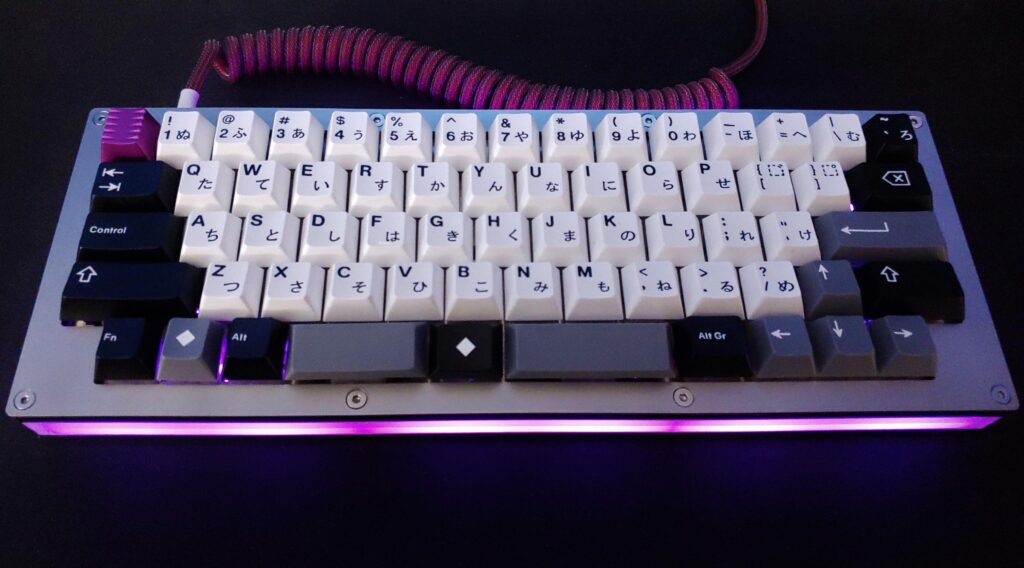
While many metaverse platforms are vying for user attention, GMK distinguishes itself through a combination of innovative features:
Cross-Reality Integration: GMK Metaverse blends Augmented Reality (AR) and Virtual Reality (VR), offering users the flexibility to engage in both fully immersive and augmented experiences.
Decentralized Economy: Powered by blockchain, GMK Metaverse supports a robust marketplace for NFTs, virtual real estate, and digital services.
Accessibility: Unlike platforms requiring high-end devices, GMK ensures inclusivity with support for both premium VR headsets and standard devices like smartphones and PCs.
User-Centric Design: Tools for creating custom avatars, worlds, and interactive content empower users to tailor their experiences.
Challenges for GMK Metaverse:
Like any emerging platform, GMK faces hurdles:
High Costs: Significant expenses in development, maintenance, and hiring skilled talent.
Market Competition: Struggling to stand out against established platforms like Meta and Decentraland.
Scalability Issues: Ensuring seamless performance as user traffic grows.
Accessibility Barriers: High costs of VR/AR devices and dependence on high-speed internet.
Security Concerns: Risks of hacking, identity theft, and data breaches.
Regulatory Uncertainty: Navigating evolving laws on blockchain, NFTs, and digital assets globally.
Future Prospects of GMK Metaverse:
Picture Courtesy: reddit.com
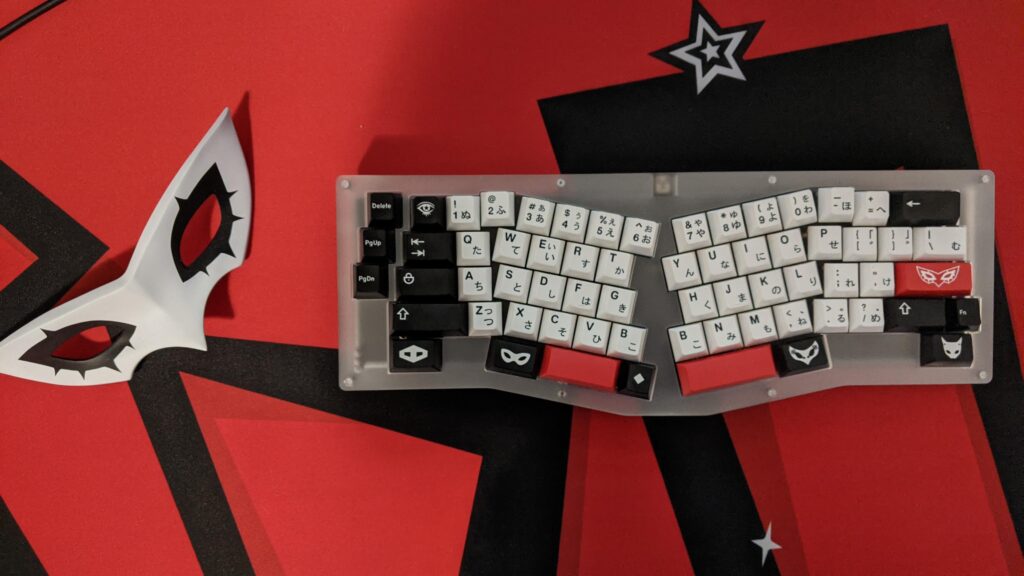
The future of GMK Metaverse looks promising as it positions itself as an innovative player in the rapidly expanding virtual space. With its focus on immersive experiences, blockchain integration, and user-centric ecosystems, GMK Metaverse is poised to shape the next generation of digital interactions.
Expansion of Virtual Experiences:
GMK Metaverse can revolutionize entertainment, education, and business by offering more immersive and interactive virtual experiences. From hosting large-scale virtual events to creating tailored VR classrooms, the possibilities are limitless.
Global Collaboration and Partnerships:
Strategic alliances with tech companies, content creators, and industries like gaming and fashion could enhance GMK’s ecosystem, attract more users, and expand its offerings. Collaborating with blockchain innovators can further refine its technology.
Integration with Emerging Technologies:
The platform can leverage AI, 5G, and IoT to improve user interactions, scalability, and accessibility. Enhanced AI-driven avatars and real-time simulations can set new standards for virtual engagement.
Sustainability and Green Initiatives:
Adopting energy-efficient blockchain solutions and promoting eco-friendly practices could boost GMK’s reputation, appealing to environmentally conscious users and setting a benchmark for sustainable metaverse operations.
Growth in the Virtual Economy:
As more users embrace digital assets, GMK could develop a thriving economy with robust NFT markets, decentralized finance (DeFi) integrations, and opportunities for creators and businesses to monetize their work.
The metaverse is no longer just a concept; it’s a reality shaping how we live, work, and interact. Platforms like GMK Metaverse are at the forefront of this transformation, offering unprecedented opportunities and experiences.
So, what’s your take on the future of GMK Metaverse? Are you ready to step into this evolving virtual space? Let’s discuss this in the comments below!
For more insights and updates on Web3, be sure to subscribe to our newsletter. Stay informed on the latest trends and developments in the decentralized world!
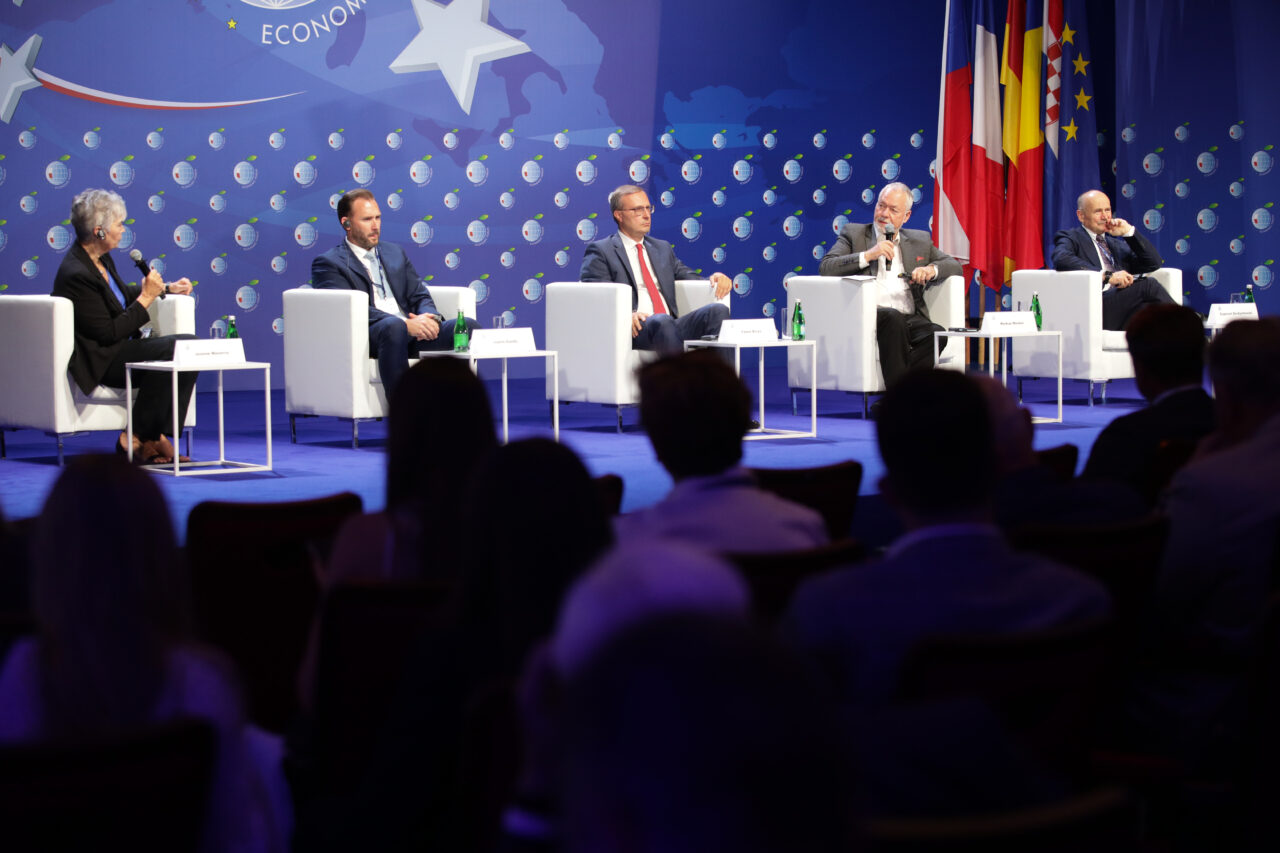
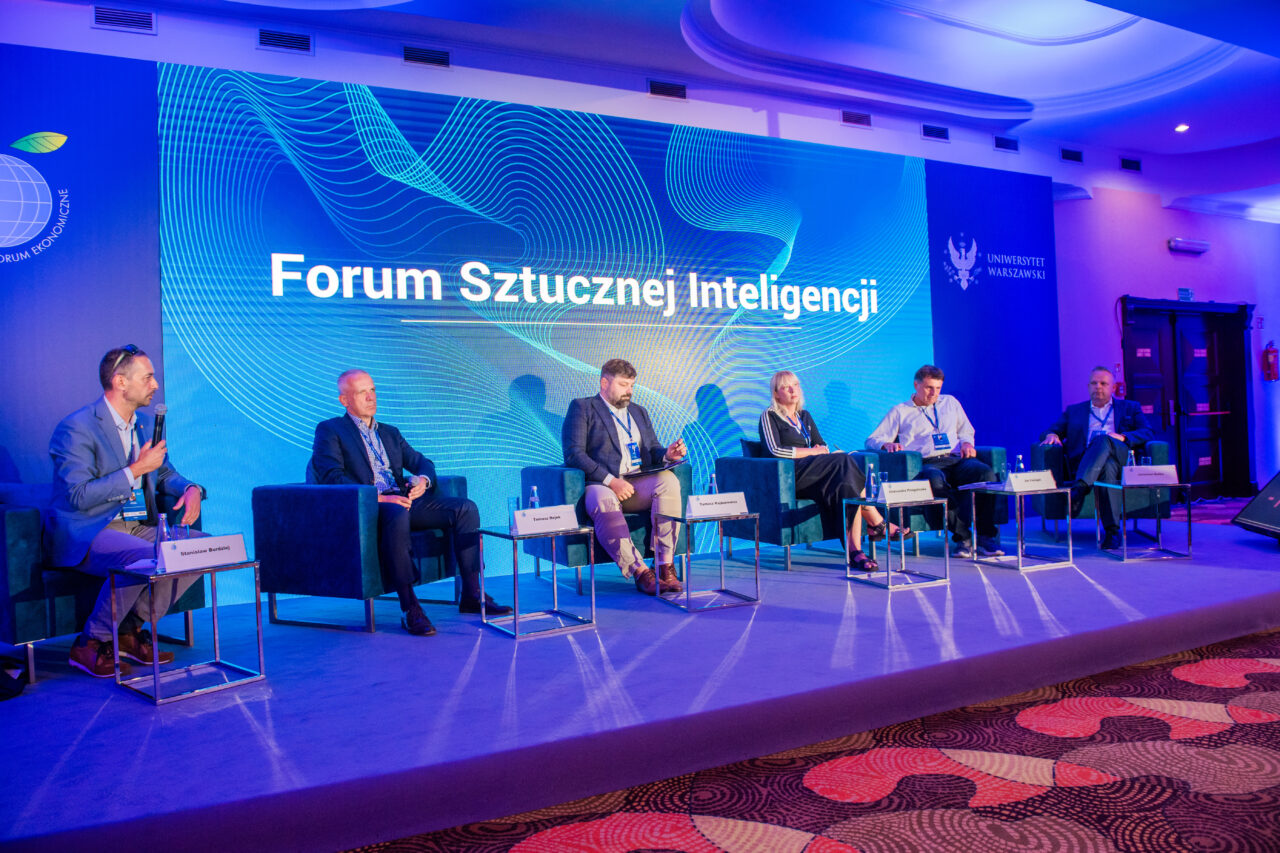
The 33rd Economic Forum 2024, held in Karpacz, Poland, gathered leaders from across the globe to discuss the pressing economic and technological challenges. This year, the forum had a special focus on Artificial Intelligence (AI and Cybersecurity, bringing together leading experts and policymakers.
Nextrope was proud to participate in the Forum where we showcased our expertise and networked with leading minds in the AI and blockchain fields.
Economic Forum 2024: A Hub for Innovation and Collaboration
The Economic Forum in Karpacz is an annual event often referred to as the “Polish Davos,” attracting over 6,000 participants, including heads of state, business leaders, academics, and experts. This year’s edition was held from September 3rd to 5th, 2024.
Key Highlights of the AI Forum and Cybersecurity Forum
The AI Forum and the VI Cybersecurity Forum were integral parts of the event, organized in collaboration with the Ministry of Digital Affairs and leading Polish universities, including:
Cracow University of Technology
University of Warsaw
Wrocław University of Technology
AGH University of Science and Technology
Poznań University of Technology
Objectives of the AI Forum
Promoting Education and Innovation: The forum aimed to foster education and spread knowledge about AI and solutions to enhance digital transformation in Poland and CEE..
Strengthening Digital Administration: The event supported the Ministry of Digital Affairs’ mission to build and strengthen the digital administration of the Polish State, encouraging interdisciplinary dialogue on decentralized architecture.
High-Level Meetings: The forum featured closed meetings of digital ministers from across Europe, including a confirmed appearance by Volker Wissing, the German Minister for Digital Affairs.
Nextrope’s Active Participation in the AI Forum
Nextrope’s presence at the AI Forum was marked by our active engagement in various activities in the Cracow University of Technology and University of Warsaw zone. One of the discussion panels we enjoyed the most was “AI in education – threats and opportunities”.
Our Key Activities
Networking with Leading AI and Cryptography Researchers.
Nextrope presented its contributions in the field of behavioral profilling in DeFi and established relationships with Cryptography Researchers from Cracow University of Technology and the brightest minds on Polish AI scene, coming from institutions such as Wroclaw University of Technology, but also from startups.
Panel Discussions and Workshops
Our team participated in several panel discussions, covering a variety of topics. Here are some of them
Polish Startup Scene.
State in the Blockchain Network
Artificial Intelligence – Threat or Opportunity for Healthcare?
Silicon Valley in Poland – Is it Possible?
Quantum Computing – How Is It Changing Our Lives?
Broadening Horizons
Besides tuning in to topics that strictly overlap with our professional expertise we decided to broaden our horizons and participated in panels about national security and cross-border cooperation.
Meeting with clients:
We had a pleasure to deepen relationships with our institutional clients and discuss plans for the future.
Networking with Experts in AI and Blockchain
A major highlight of the Economic Forum in Karpacz was the opportunity to network with experts from academia, industry, and government.
Collaborations with Academia:
We engaged with scholars from leading universities such as the Cracow University of Technology and the University of Warsaw. These interactions laid the groundwork for potential research collaborations and joint projects.
Building Strategic Partnerships:
Our team connected with industry leaders, exploring opportunities for partnerships in regard to building the future of education. We met many extremely smart, yet humble people interested in joining advisory board of one of our projects – HackZ.
Exchanging Knowledge with VCs and Policymakers:
We had fruitful discussions with policymakers and very knowledgable representatives of Venture Capital. The discussions revolved around blockchain and AI regulation, futuristic education methods and dillemas regarding digital transformation in companies. These exchanges provided us with very interesting insights as well as new friendships.
Looking Ahead: Nextrope’s Future in AI and Blockchain
Nextrope’s participation in the Economic Forum Karpacz 2024 has solidified our position as one of the leading, deep-tech software houses in CEE. By fostering connections with academia, industry experts, and policymakers, we are well-positioned to consult our clients on trends and regulatory needs as well as implementing cutting edge DeFi software.
What’s Next for Nextrope?
Continuing Innovation:
We remain committed to developing cutting-edge software solutions and designing token economies that leverage the power of incentives and advanced cryptography.
Deepening Academic Collaborations:
The partnerships formed at the forum will help us stay at the forefront of technological advancements, particularly in AI and blockchain.
Expanding Our Global Reach:
The international connections made at the forum enable us to expand our influence both in CEE and outside of Europe. This reinforces Nextrope’s status as a global leader in technology innovation.
If you’re looking to create a robust blockchain system and go through institutional-grade testing please reach out to contact@nextrope.com. Our team is ready to help you with the token engineering process and ensure your project’s resilience in the long term.