Take off your hat indoors (The sliding scale of etiquette)
Wednesday, April 15th 2026Tags: Hats
Share
Share this post
Subscribe
42 Comments
||- Begin Content -||
Imagine how delighted I was, dear reader, to find that a subject I wanted to write on – etiquette in clothing behaviour – exists on a sliding scale of commonality.
I love a sliding scale. Whether it’s formality, colour or craft, I love explaining how a question that is often treated as binary is better understood as a gently shaded spectrum, on which we all sit at different points at different times.
Etiquette is similar, because manners are all about being considerate and respectful to those around you, so what’s considered good manners depends on those people. (Just like the question of whether you dress for yourself or others.)
Personally, I hate it when people don’t take their hat off indoors. It partially obscures their face, making it harder to talk to them; it feels like they’ve still got on a piece of outerwear, and so might get up and leave at any moment; and it just feels odd, out of place.
As you have now been primed to notice, some of those reasons are objective, some very subjective, and some depend very much on the society around us.
It’s a matter of our era. I think most people today would notice if someone kept their hat on at the dinner table, but they would have cared much more in the past.
And it’s a matter of location. A friend in New Mexico told me recently that where he is, western hats are definitely kept on during meals such as Sunday lunch. In fact the more formal the occasion, the more it’s required.
Chase in a western hat.
Still, removing your hat off indoors is a fairly universal point of etiquette. Most readers will probably agree with it – it sits towards the common end of the sliding scale.
What’s at the other end? Well, a reader once castigated me for carrying my brimmed hat with the crown pointing inwards, rather than outwards. I was holding it at my side, and because the crown was pointing towards my thigh, the inside of the hat was exposed.
The scandal.
I had never heard of this as a rule, and so I’m fairly confident it’s rare and rather antiquated. I guess I can see the logic – most of our clothes hide the lining and don’t deliberately expose it, in the same way shirt fronts used to be considered underwear and would be hidden by a waistcoat and jacket. That kind of thing could apply to a hat; but it’s a stretch.
The scandalous inside of a hat
If those two might be the extremes, what sits in the middle?
I know there’s one rule than an umbrella should be held by the handle, particularly when walking. I can see how this is more elegant and more practical – your hands are less likely to get wet from a damp canopy.
But, it’s something I rarely do because if I carry an umbrella like that, I feel formal and old-fashioned, as if I should also be wearing a bowler hat.
Much as I love tailoring, I try to wear it in a fairly casual way in order to make it less showy in a society where few wear a suit and tie. For the same reason, I try to avoid accessories (such as an attaché case) that would hinder this. An umbrella carried like a walking stick is in that vein.
So I don’t follow that rule, practical as it might be.
Holding an umbrella by the handle
There aren’t actually many rules about the way you wear clothing (as opposed to what clothes you wear – lots there). So it’s hard to string enough together to make a continuous scale.
But I think readers will know what I mean. Manners at the dining table are similar in a way.
When I tell my children not to talk with their mouth full, it seems reasonable, as the sight of half-chewed food is so disagreeable. But it’s harder to convince them that you should never put your elbows on the table. And impossible to argue that soup should be scooped from the far side of the bowl rather than the near. There’s a sliding scale there from more instinctive and universal, to less.
Perhaps like the rules about what clothes to wear, the key is understanding why the rule exists and then deciding whether to follow it. Keeping your elbows off the table will usually improve your posture – how you sit – but it’s probably more effective to keep that in mind rather than just focus on the elbows.
As ever, I’m interested in what readers have to say on the subject, but I’m particularly interested in what rules of etiquette you follow and how much you think that’s dependent on where (and when) you live.
Graham’s allowed to wear a hat indoors. He’s a hatmaker
Related posts
Hats with coats: A sliding scale
March 19th 2021 – 106 Comments
Read More
Wellema bespoke felt hat: Review
April 6th 2020 – 95 Comments
Read More
Stephen Temkin of Leon Drexler custom hats, Toronto
November 16th 2016 – 34 Comments
Read More
<!–
Subscribe to this post
You can follow the discussion on Take off your hat indoors (The sliding scale of etiquette) by entering your email address in the box below. You will then receive an email every time a new comment is added. These will also contain a link to a page where you can stop the alerts, and remove all of your related data from the site.
In the world of fancy knit clothes, just a few names really shine for their skill, value and lasting charm. One of these is Allude which has made a special place by focusing mostly on cashmere and high-quality knit pieces. While lots of high-end fashion brands include knits in their lines; Allude has created its image around it, turning it into a pro not an amateur.
When you look at Allude sweaters and other fancy knitwear brands, the change is not just in looks but in ideas. Allude shows quiet beauty, great fabrics, and wearability for daily use. Unlike trendy names, it aims to make items that stay good for years both in how they feel and their style. This makes it especially nice for buyers who like things that last more than quick fashion changes.
Fancy knit clothes as a type have many brands, from old ones known for skill to new labels trying out fresh shapes. But not all of them offer the same level of quality in fabric fit and strength. This is where Allude sets itself apart by keeping a firm promise to high-quality cashmere and well-crafted style.
In this post, we͏ will look at how Allude stacks up against other fancy knitwear brands, what makes Allude sweaters special and why they stay a favorite among people who enjoy top-quality items. Whether you are getting your first luxury knit or adding to your closet, understanding these differences will help you make better choices.
The Philosophy Behind Allude
Allude is made on a plain but strong idea: to lift knitwear into a fancy daily need. Unlike lots of fashion labels that see knitwear as a once-in-a-while extra, Allude puts it at the heart of its image.
The name puts a lot of effort on cashmere, which is often seen as one of the best natural threads in the world. By focusing on this stuff, Allude makes sure that each item shows a steady level of softness, warmth and strength. This hard work helps the brand to improve its ways and keep great quality in all its sets.
Another main part of Allude’s idea is lasting design. Instead of chasing passing fads, the brand makes items that stay important year after year. Neutral color sets, simple shapes and minimal details make Allude sweaters easy to wear and style.
This way attracts shoppers who like to create a picked wardrobe of good basics instead of always changing their clothes. It’s not just about showing off for one season, it’s about putting money into items that are part of your daily look.
Allude vs Other Luxury Knitwear Brands: Key Differences
When you look at Allude with other fancy knitwear brands, some big differences pop up. First, Allude is a brand that really knows knitwear while lots of fancy labels just have knitwear as one small piece of a bigger set. This skill lets Allude fix its art and keep the same quality.
Also, Allude likes simplicity and comfort. While other brands may play with loud looks, designs, or signs, Allude keeps its style neat and quiet This makes its items more useful and good for daily use.
Third, the name puts big importance on cloth quality, especially cashmere. While other fancy names also use top-notch stuff, Allude’s sharp way m͏akes sure a better level of sameness across its goods.
At last, Allude gives a mix of fancy and handy. Its sweaters are made to be used often, not only on big days. This makes them a better buy than showy items from other brands.
What Makes Allude Sweaters Special?
1. Exceptional Cashmere Quality
One of the biggest traits of Allude sweaters is their use of fine cashmere. The brand picks top fibers to make sure they are soft, strong, and warm. Unlike cheap cashmere that can get fuzzy or change shape fast, Allude’s materials are made to keep their feel for a long time.
This care on quality makes sure that each jumper feels nice on the skin but also is useful for everyday use. It’s a buy in comfort as much as style.
2. Timeless and Versatile Designs
Allude’s way of making things is all about being simple and nice. The brand stays away from very trendy stuff, picking classic shapes that can be worn in many ways.
This flexibility makes Allude sweaters good for different times, from laid-back events to more dressed-up places. A single item can easily switch from day to night which makes it a useful part of any closet.
3. Perfect Fit and Tailoring
Fit is very important in knitwear and Allude does great in this part. The brand looks at sizes a lot, making sure that its sweaters look good on various shapes without being tight.
The mix of shape and gentleness is what makes Allude special. The sweaters hang easy while still keeping their form, making a neat and smooth style.
4. Focus on Everyday Luxury
Unlike a few fancy brands that look at big items, Allude puts weight on daily use. Its jumpers are made to wear often, making them useful and also nice.
This way speaks to today’s buyers who wish to spend on items that give both look and use.
5. Subtle Branding
Allude skips big logos or signs, letting the goodness of the cloth and work shine on its own. This simple way makes the brand look good, mainly for people who like soft ͏luxury.
How Allude Compares to Other Luxury Knitwear Brands
Heritage Brands vs Allude
Old fancy knit brands often focus on history and skill, sometimes using fancy shapes or patterns. While these parts can be nice, they may not always fit with new simple styles.
Allude, instead, looks at neat, modern styles that are simpler to fit into daily clothes.
High-Fashion Brands vs Allude
Big brands often try new shapes, odd feels, and loud looks. Though these clothes can catch the eye they may not always be good for daily use.
Alludes take a more even way, giving nice but comfy items that can be worn in many seasons.
Contemporary Luxury Brands vs Allude
Modern names often try to mix cheapness with fancy looks. While they can have stylish shapes, the quality of stuff and making can be different.
Allude keeps a better level of steadiness by using top quality stuff and good building.
Why Allude Stands Out in Luxury Knitwear
Allude shines in the fancy knitwear space because it finds a great mix of good quality, nice design, and useful style. While many brands do well in one part, few can give all three at once.
One of the brand’s main strong points is its focus. By mostly looking at sweater stuff, Allude has made a nice understanding of things, how items are put together and size. This skill shows in every piece, from the smooth touch of the fabric to the neatness of its sewing.
One more thing that makes Allude special is its focus on lasting style. In a field pushed by fads, the brand chooses a steadier way by making looks that stay important over time. This not only boosts the worth of every item but also helps people think more about what they buy.
Also, Allude’s focus on simple charm matches the rising wish for calm luxury. Shoppers are more and more attracted to items that care about good make instead of name, and Allude suits this type well
The name also shines in making knit clothes that are both fancy and useful. Its jumpers are made for everyday life, giving ease, strength, and many uses. This makes them a clever buy for those wanting to make a good closet.
Allude’s skill to mix art, ease, and use makes it a special pick in the busy world of fine knit clothing.
Are Allude Sweaters Worth the Investment?
Putting money into Allude sweaters can be a good choice for people who care about nice things that last. Unlike quick fashion choices, these sweaters are made to stick around for a long time, in both strength and looks.
Using soft cashmere makes it feel nicer and stay nice for a longer time. Even if the first cost is higher, its long life often makes it less costly over time.
Also, the old style of Allude sweaters means they won’t leave fashion quickly. This lets you wear them in many seasons without being concerned about changing trends.
For folks who value ease, flexibility, and simple charm, Allude gives great worth. But if you want loud, showy stuff, other nice brands might be a better pick.
At the end, the pick depends on your own likes and clothing wants. If you enjoy nice basics that can be worn lots of times, Allude is a good choice.
Conclusion
When looking at Allude and other brands in the fancy knitwear field, it shows that this brand has a special spot. Instead of racing on styles or flashy ͏looks, Allude aims to give steady quality, classic design, and daily use. This way makes it different in a market where many brands care more about trendy appeal than lasting worth.
One of the most interesting parts of Allude sweaters is how they mix well with lots of different outfits. No matter if your look is simple, traditional, or modern, these items offer a strong base that can be dressed in many ways. Their plain design makes sure that they stay in fashion every year making them a wise buy for people wanting to create a nice wardrobe.
Another great thing is the brand’s vow to fine stuff, mainly cashmere. This not only makes the sweaters cozier and smoother but also helps them stick around for a longer time. In a moment when buyers care more about good quality and eco-friendly ways, this goal for long-lasting items is super important!
While other stylish knitwear brands may have more loud designs or larger groups, Allude stands out in its field by offering fine knitwear that centers on both style and function. It draws folks who enjoy subtle luxury and are willing to pay for things that offer lasting value.
To sum it up, Allude is a name that shifts everyday fancy with its aim on skill, ease and flexibility. If you want knit clothes that blend beauty with use, Allude is surely a name to think about!
FAQs
1. What makes Allude sweaters different from other luxury knitwear brands?
Allude jumpers shine because of their attention to fine cashmere. They have classic looks and are easy to wear each day, making them both fancy and useful.
2. Are Allude sweaters worth the price?
Yes, they are good for the money for folks who care about nice stuff, lasting power, and designs that can be used in many ways over several years.
3. Is Allude a good brand for minimalist fashion?
Sure. Allude’s neat looks and plain color choices make it perfect for people who like a simple and classic closet.
4. How should you style Allude sweaters?
Allude sweaters can be matched with nice pants, jeans or skirts for a neat look. Their use makes them good for both easy and fancy places.
5. How do you care for Allude sweaters?
Soft sweaters, like those made from cashmere, need light care to keep them nice. It’s good to wash them by hand in cold water with a soft soap or choose dry cleaning by a pro. Don’t twist the cloth; instead, lay it flat for drying to keep its form and fluffiness.
6. Are Allude sweaters suitable for all seasons?
Yeah, Allude sweaters are made to be useful and can be worn in many seasons. Light cashmere types are great for changing weather but thicker knits give heat in colder times, making them a year-round nice piece.
This guide covers the most comfortable sneakers for women in 2026 across 15 categories — from all-day walking and plantar fasciitis to luxury picks and the year’s biggest trend, the sneakerina.
Last updated: April 2026
Finding the most comfortable sneakers for women in 2026 isn’t just about cushioning anymore; it’s about choosing the right shoe for how you actually live and what matches your taste and lifestyle. Whether you’re on your feet for 12 hours, walking 20,000 steps while traveling, or investing in luxury sneakers that won’t destroy your arches, the wrong pick shows up fast—in your feet, knees, and energy levels.
If you read our men’s sneaker comfort guide, you already know we don’t do vague lists. This is the women’s version, built from the ground up to reflect how women’s feet actually work, what 2026’s sneaker landscape actually looks like, and what will genuinely keep you comfortable in all aspects of your profession, mood, physical health, and activity.
Here’s what makes this guide different: we’ve mapped every category to real search intent, incorporated podiatrist-backed recommendations for medical-adjacent needs, and covered the one trend that no other comfort guide is taking seriously yet, the sneakerina. More on that shortly.
What’s New in Women’s Sneakers in 2026?
The sneaker world has matured in ways that directly benefit women.
Loewe x On Running Cloudtilt 2 Size 40 Green/White Mesh Low Top Sneakers
Comfort-driven brands like Hoka and On Running are now mainstream lifestyle staples. The sneakerina: a ballet-flat-sneaker hybrid, has moved from runway novelty to the most versatile everyday shoe of the year. And the outdated idea that you have to choose between comfort and style is officially dead.
Before the picks, a quick word on why this is a women’s-only guide and not just the men’s version with pink colorways.
Do Women Need Different Sneakers Than Men? Yes, Here’s Why
Balenciaga Speed Graffiti Size 38 Brown Knit Fabric High Top Sneakers
Women’s feet differ from men’s in ways that have direct implications for sneaker design:
Narrower heels relative to forefoot width: Women tend to have a more pronounced difference between heel and ball width, meaning shoes need to accommodate this taper
Higher incidence of plantar fasciitis: Women are statistically more prone to this condition than men, making arch support a non-negotiable priority.
Different weight distribution: Generally, lower body mass changes the cushioning requirements, particularly in the midsole.
More flexible ligaments: The ligament laxity that increases during pregnancy persists and affects long-term foot stability, making lateral support more critical.
Higher rates of bunions and wide forefoot issues: Awider toe box is usually more needed in women’s designs than in men’s.
Reputable brands don’t just scale down men’s sneakers and call them women’s. They re-engineer the last (the foot-shaped mold), adjust the arch position, soften or reformulate the midsole, and refine the heel counter. That’s why model-specific recommendations matter.
How to Choose the Most Comfortable Sneakers for Women?
Nike – Air White Leather and Nylon Force 1 Gore-Tex High Winter GTX Phantom Sneakers
The Comfort Checklist:
Foot type first.
Before brand or model, understand your arch. Flat feet need motion control and structured arch support. High arches need extra cushioning and flexibility. Neutral arches have the most options. If you’re unsure, a quick wet test (wet your foot, step on a paper bag, check the imprint) gives you a rough answer.
Activity match.
A standing-all-day shoe and a running shoe are engineered differently. Using the wrong one for the wrong purpose is the single most common source of foot fatigue and injury.
Midsole technology.
In 2026, the materials to know are: supercritical foam (Hoka Bondi 9:ultra-soft, plush), Helion CloudTec (On Running: firm and responsive), ZoomX foam (Nike: lightweight energy return), Fresh Foam (New Balance: all-day cushioned comfort), and Boost foam (Adidas: springy, versatile).
Miu Miu x New Balance 530 SL Size 40 Brown Suede Low Top Sneakers
Width and toe box.
Standard widths frequently underserve women’s feet. If you’ve ever had your toes cramping by mid-afternoon, it’s likely a width issue, not a brand issue. Hoka, New Balance, and Brooks all offer wide options in their most popular women’s models.
Heel drop.
This is the height difference between the shoe’s heel and toe. Lower drop (0–4mm) is better for natural foot movement and forefoot strikers. Higher drop (8–12mm) works better for heel strikers and those with Achilles or calf issues. Most everyday sneakers sit at 8–10mm.
Sizing note.
Common Projects White Leather Achilles Low Top Sneakers Size 37
European luxury brands (Golden Goose, Common Projects) run narrow and often small; size up half a size. On Running Cloudmonster 2 runs large: size down half. Hoka models generally benefit from going up half a size to allow for toe room, especially for wider feet.
Pro tip: Shop for sneakers in the late afternoon or evening when your feet are at their most swollen. This gives you the most accurate fit for all-day wear.
The table below gives you a quick glimpse at the good, better, and best options for your needs.
Quick Comparison: Best Women’s Sneakers at a Glance
Category
Top Pick
Retail/Resale
Prices
Runner-Up
Retail/Resale
Prices
Best Budget Option
Retail/Resale Prices
Best Overall / All-Day Comfort Brooks Ghost Max 3
$160–$170 / $90–$120 Hoka Bondi 9 $175 / $110–$140 Skechers Go Walk 7 $65–$90 / $30–$50
Everyday comfort Adidas Samba / SL 72 $100 / $70–$90 New Balance 9060 $150 / $100–$125 Reebok Club C 85 $75–$85 / $30–$50
Standing all day Hoka Bondi 9 $175 / $110–$140 New Balance 990v6 $200 / $130–$160 Skechers Go Walk 7 $65–$90 / $30–$50
Walking all day Hoka Clifton 10 $155 / $90–$120 Brooks Adrenaline GTS 25 $155 / $90–$120 Skechers Arch Fit 2.0 $75–$90 / $35–$55
Vegan/sustainable Allbirds Tree Dasher 2 $135 / $70–$100 Veja Condor 2 $175–$200 / $90–$140 Adidas Stan Smith Mylo $100–$120 / $60–$85
Women over 40 Hoka Bondi 9 $175 / $110–$140 Brooks Glycerin 22 $165 / $95–$130 New Balance 990v6 $200 / $130–$160
Note: Retail prices are current as of April 2026. Resale prices reflect the authenticated pre-owned market (TLC / StockX / GOAT). Prices vary by colorway, size, and retailer
💡 TLC tip: The luxury column shows where pre-owned authenticated pricing delivers the biggest savings — Golden Goose Superstar at $200–$380 vs. $530+ retail represents up to 60% off. [Browse authenticated women’s sneakers at The Luxury Closet →
Most Comfortable Sneakers for Women by Category
#Everyday Comfort
1. Most Comfortable Everyday Sneakers for Women
Key Needs: Versatile design, all-day comfort, transitions from casual to smart-casual
What’s trending in 2026: Low-profile, slim silhouettes have overtaken chunky maximalism for everyday wear. Off-white, cream, and vintage sail shades are replacing pure white. Retro runners with genuine comfort credentials are dominating.
Top Picks:
Brooks Ghost Max 3: Their plush cushioning and stability do not feel bulky. They are the best sneakers to wear if you plan to stay active the whole day.
Adidas Samba: The Samba has officially settled into permanence as 2026’s most reliable everyday sneaker. Slim suede-and-leather build, iconic gum sole, low profile. Pairs with everything from wide-leg jeans to midi skirts. Note: runs narrow; size up half if you have wider feet.
Adidas SL 72: The breakout everyday sneaker of 2026. Originally designed for the 1972 Munich Olympics, its slim silhouette, nylon upper, and suede overlays are perfectly aligned with this year’s shift toward cleaner profiles, making it walkable all day, comfortable, and effortlessly stylish.
Loewe x On Running Cloudsolo:
Loewe x On Running Cloudsolo Size 39 Blue Mesh Low Top Sneakers
Where luxury fashion meets On Running’s CloudTec engineering. Unlike dedicated performance trainers, it is designed specifically for urban movement and all-day lifestyle wear. As a result, it delivers responsive cushioning in a silhouette refined by Loewe’s design house — making it the premium everyday option for women who want athletic comfort without the athletic aesthetic.
New Balance 9060 — Maximalism, refined. The exaggerated sole still makes a statement; however, the proportions now feel considered rather than novelty-driven. In particular, neutral colorways are especially strong this season. Overall, it has established itself as a contemporary staple that works equally well for casual and athleisure dressing.
Reebok Club C 85: The quiet classic. Step-in softness, a clean silhouette, and genuine versatility across outfit types—a reliable everyday pick at an accessible price point.
Nike Air Max 90: Iconic cushioned comfort that doesn’t ask you to compromise on style. Works from brunch to the airport to evening plans.
Nike Multicolor Leather and Suede Nike Air Max 90 SE Animal White Sneakers
Bonus: Beyond everyday wear, these are also top picks for the best casual sneakers for women that transition naturally from day to evening.
Shop pre-owned: Even better, Golden Goose Superstar, Common Projects Achilles Low, and Veja Campo are all available authenticated and pre-owned at The Luxury Closet — the everyday luxury pick without the full retail price.
2. Best Sneakers for Women Who Stand All Day (Nurses, Teachers)
This is one of the highest-volume search categories for women’s sneakers, driven by nurses, teachers, healthcare workers, retail staff, and hospitality professionals. The stakes are real: the wrong shoe here contributes to plantar fasciitis, knee pain, and chronic fatigue. For that reason, podiatrist-recommended picks are prioritized throughout this section.
Top Picks:
Hoka Bondi 9 (2026 update): Upgraded from the Bondi 8 with supercritical foam for an ultra-plush, cloud-like feel. In addition, the 43mm heel stack height and wide options make it one of the most accommodating choices available. Rocker soles promote a smooth gait and reduce joint stress during prolonged standing. As a result, it is consistently rated the #1 shoe for 12-hour shifts by nurses. Note: size up half a size.
Hoka Clifton 10: The Clifton 9’s successor, slightly lighter but with the same signature cushioning. It is APMA-sealed and, according to podiatrists, doesn’t exacerbate plantar fasciitis even during 10-hour days. Furthermore, it has become a personal pick for multiple Yahoo editors who wear it through full working days.
New Balance 990v6: Made in the USA with FuelCell cushioning and an ENCAP stability rim, this shoe is lab-tested with a 102 SA shock-absorption score. It is available in wide widths and, importantly, looks polished enough to wear off-shift — a key consideration for women transitioning from work to everyday life.
Brooks Adrenaline GTS 25 (2026 update from GTS 23): Built-in GuideRails technology supports natural foot movement, which is critical for those standing on hard floors all day. In fact, one nurse practitioner describes it as “essential for arch support on all-day shifts.” However, some reviewers find the GTS 25 runs slightly roomier than the 24, so consider sizing down half a size.
ASICS Gel-Kayano 31: Stability-focused with a 4D Guidance System and GEL cushioning. Specifically, it excels for overpronators who stand all day and need reliable arch correction without added bulk.
Skechers Go Walk 7: The best budget option in this category. While it is not as structured as the others, it delivers exceptional comfort-per-dollar for standing wear and is lightweight, responsive, and machine washable.
Hoka Bondi SR: The slip-resistant version of the Bondi, specifically engineered for healthcare environments with polished tile floors. Therefore, if you work in a hospital or kitchen, this is the one to choose.
Podiatrist note: For standing-intensive professions, look for heel cup depth, midsole firmness (since too soft leads to instability over time), rocker geometry, and non-slip outsoles. All picks above meet these criteria.
Bonus Attribute: Ideal for nurses, teachers, healthcare workers, retail staff, and anyone seeking the best shoes for all-day standing.
ASICS Gel-Nimbus 26: Marathon-grade cushioning for city explorers. Lightweight mesh upper, exceptional shock absorption. One of the most breathable options in this category.
Skechers Arch Fit 2.0: The best budget walking sneaker of 2026. Podiatrist-developed arch support, memory foam insole, lightweight build. Remarkable value for daily walkers who don’t want to spend over $100.
Bonus Attribute: Top picks for women’s summer walking shoes that combine performance with elegance, and work with outfits, not just gym kit.
4. Most Comfortable Sneakers for Women Traveling
Key Needs: Lightweight, all-day cushioning, versatile enough for city touring and airport runs, packable
Top Picks:
On Cloud 5: Ultralight and supportive, the On Cloud 5 is the go-to airport sneaker for women who want something that doesn’t look athletic but performs like one. CloudTec cushioning absorbs the impact of hard terminal floors.
New Balance 990v4: Premium suede and mesh construction, cushioned enough for sightseeing marathons, polished enough to wear with chinos or a dress at dinner. The gold standard for travel comfort and versatility.
Hoka Clifton 10: Hoka Clifton 10: Bulkier than most, but ideal for 15,000+ daily steps. The cushioning investment pays off by day three.
Adidas Samba: For the traveler who prioritizes looking put together. Pairs with virtually every outfit, packs flat, and is comfortable enough for moderate walking days.
On Cloudnova: Sleek and responsive. Transitions seamlessly from airport terminals to evening restaurant walks—a 2026 standout for women who want performance comfort in a lifestyle silhouette.
Nike Air Max 90:
Nike Black/White Leather and Suede Air Max 90 Safari Sneaker
The trusted classic. Dependable cushioning, retro styling that works from day to evening, and widely available in neutral colorways that travel easily with a capsule wardrobe.
Bonus Attributes: Lightweight build, breathable uppers, versatile colorways that pair with multiple outfits.
5. Most Comfortable Sneakers for Trekking and Hiking
Key Needs: Rugged traction, ankle protection, waterproofing, and durable build.
Top Picks:
Salomon XT-6: The defining hiking-to-lifestyle crossover of 2026. Originally built for ultramarathons, the XT-6 has become the “cool girl” everyday sneaker of the season while remaining technically outstanding on varied terrain: quicklace system, ACS cushioning, earthy colorways.
Hoka Anacapa Breeze Low: Inspired by Hoka’s hiking boots, constructed from waterproof leather, for women who want serious trail capability without the heavy, clunky silhouette.
Merrell Moab Speed GTX: A time-tested favorite. Breathable, grippy, waterproof. The reliable choice for women who actually hike rather than wear trail-adjacent footwear.
Adidas Terrex Swift R3 GTX: Optimal stability and traction on unpredictable terrain. Lightweight for a hiking shoe, with GTX waterproofing for all-weather use.
Nike ACG Lowcate: The most stylish pick in this category. Functional on mild trails, genuinely wearable on city streets. Best for women who want trail-ready aesthetics for urban use.
Bonus Attribute: The best travel adventure shoes for women who refuse to choose between rugged function and style.
#Performance Training Sneakers
6. Best Running Sneakers for Women
Key Needs: Energy return, lightweight construction, breathable uppers, responsive cushioning
Nike x Off-White Black/Silver Mesh And Polyurethane Zoom Fly Sneakers
Top Picks:
Nike Zoom Vomero 5: Lab-tested as the most comfortable women’s sneaker of 2026. Stack height: 31.4mm/21.8mm. Shock absorption score: 112 SA (25.8% more protective than average). Only 11.1 oz — 19% lighter than average. Zoom Air units in the heel and forefoot. “Feels revitalizing on foot from every angle.” The tech-runner aesthetic also makes it the most stylish performance pick of the year.
ASICS Novablast 5:Trampoline effect underfoot for effortless energy return. Bold cushioning without excessive weight. Particularly good for women with wider feet. Worn and reviewed by runners who describe it as “bouncy and fun for everyday runs.”
Nike Pegasus 41 / Pegasus Premium: The Pegasus Premium is 2026’s standout performance-lifestyle crossover. Responsive, breathable, and designed with the cushioning and ease serious runners crave.
On Cloudmonster 2: Dual-density Helion foam with the largest CloudTec pods On Running has ever produced. Firmer and more responsive than the Hoka Bondi 9, best for women who want energy return over pure plush comfort. Note: runs large, size down half.
Adidas Ultraboost Light: Boost foam’s luxurious, responsive ride. One of the most widely loved everyday running shoes for women, offering a combination of comfort and street style.
Saucony Endorphin Speed 3: Race-day performance without compromising daily wearability. A woman’s running staple.
Brooks Glycerin 22: Exceptionally plush and smooth. Prioritizes comfort across longer distances—one of the most highly recommended running shoes for women seeking joint protection.
Bonus Attribute: These dominate women’s running shoe reviews for cushioning, support, and versatility from 5K to marathon.
Hoka Clifton 9/10: Plush yet weightless. The first choice of casual joggers and recovery runners globally. “Good for walking but I’d love to try the Bondi 9” is a common sentiment; they’re sister shoes for different intensity levels.
Brooks Ghost 17: Perfect harmony of support and softness. Available in multiple widths. A gentle, forgiving ride for women who jog a few times a week without taking it too seriously.
ASICS Novablast 5: Bold energy return for daily mileage and weekend sprints.
New Balance Fresh Foam X More v5:Thick cushioning with a stable platform. Excellent for heavier runners or women who need extra impact protection.
Nike Pegasus 41: Responsive ZoomX foam and airflow-enhancing mesh. The trusted everyday running companion for women who want a reliable, versatile trainer.
8. Best Sneakers for Women at the Gym (Cross-Training and Weightlifting)
Key Needs: Lateral stability, flat sole for lifting, cushioning for cardio, durable build
Top Picks:
Nike Metcon 9: The gold standard for women who mix lifting and HIIT. Low, locked-in profile for power transfer during squats and deadlifts.
Reebok Nano X3: Versatile stability across lifting, cardio, and functional training. One of the best-rounded gym shoes for women.
New Balance FuelCell SuperComp Trainer: For women who need a shoe that transitions from treadmill to weights without changing.
Plantar fasciitis affects women at higher rates than men. The stabbing heel pain, which is worst with the first steps of the morning, is directly influenced by footwear. These picks are podiatrist-recommended and consistently cited in clinical and professional nursing sources.
Top Picks:
Brooks Ghost 17: “Great arch support, essential for those on feet all day” (nurse practitioner recommendation). 6mm drop allows natural toe splay. Available in narrow through extra-wide. Balanced soft cushioning absorbs stress on the plantar fascia.
Vionic 23Walk 2.0: Designed specifically for foot health with a podiatrist-developed orthotic footbed, deep heel cupping, arch support, and dual-density cushioning. APMA-approved. One of the most-cited plantar fasciitis shoes among medical professionals.
Hoka Clifton 10: “The only shoes that don’t exacerbate my plantar fasciitis:even after walking all day at Disneyland” (Yahoo Deputy Editor, personal review). Rocker sole reduces plantar fascia strain with every step.
ASICS Gel-Kayano 31: 4D Guidance System and GEL cushioning reduce foot fatigue and support proper alignment. Excellent for overpronators with plantar fasciitis.
ASICS Gel-Kayano 32 or Brooks Adrenaline GTS: Stability-focused for over-pronation.
Orthofeet Sprint Tie-Less: Clinically designed for plantar fasciitis relief. Anatomical arch support, multiple cushioning layers, ergonomic sole. Anti-microbial material and heel grip make it particularly practical for healthcare workers.
Important note: If plantar fasciitis pain is severe or persistent, consult a podiatrist. Supportive footwear significantly aids recovery and prevention, but a medical assessment provides a complete picture of treatment.
10. Best Sneakers for Women with Arch Support Needs
Key Needs: Targeted orthotic support, stability features, motion control for overpronation
Top Picks:
ASICS Gel-Kayano 31:The most stability-focused option in this list. 4D Guidance System, GEL tech in heel and forefoot, enhanced heel stability. The definitive arch support sneaker.
Brooks Adrenaline GTS 25:GuideRails technology guides natural foot movement rather than overcorrecting—one of the most recommended by podiatrists for women with mild-to-moderate overpronation.
New Balance 860v14:Specifically engineered for moderate overpronation. Structured medial post and Fresh Foam cushioning. Excellent wide-width options.
Hoka Arahi 7:Dynamic stability with a cushy, cushioned feel. Ideal for women who need structure without the stiffness of a traditional motion-control shoe.
Orthofeet Coral Stretch Knit: Podiatrist-recommended. Foot-hugging stretch knit upper with ergonomic insoles. Best for women who want arch support in a more casual, everyday silhouette.
11. Most Comfortable Sneakers for Women with Wide Feet
Key Needs: Roomy toe box, wide-width availability, no lateral compression, stable platform
Top Picks:
ASICS GT-2160: Lab-verified widest interior among comfortable sneakers (97mm at broadest point, 4.5mm wider than average). Accommodates bunions. Above-average stack height with gentle cushioning. Breathability rated 5/5 in testing.
New Balance Fresh Foam X 1080v14: Wide and extra-wide options. Premium Fresh Foam cushioning. One of the most accommodating women’s sneakers for broader feet, available in multiple widths.
Brooks Ghost 17: Roomy forefoot without looking bulky. Available in narrow, medium, wide, and extra-wide. Consistent sizing across widths. A safe choice for women who struggle with standard-width sneakers.
Hoka Bondi 9: Wider fit than most Hoka models. Padded tongue and collar. Plush enough not to create pressure points even with a wider foot.
Off-White x Nike Force 1 Low White Volt:Off-White x Nike Green Mesh and Suede Force 1 Low White Volt Sneakers. The AF1’s inherently wide toe box makes it one of the most accommodating everyday sneakers for broader foot shapes. Classic silhouette, widely available, true to size.
New Balance 990v6: Available in multiple widths. The ENCAP rim provides stability rather than relying on a narrow fit for support, making it excellent for wider feet who need structure.
Nike Revolution 8: Affordable wide option that still looks current. Note: Go True to Size (TTS)
#The 2026 Trends You Can’t Ignore
12. Sneakerina: The Biggest Women’s Sneaker Trend of 2026
What it is:
A hybrid between a sneaker and a ballet flat; slim, low-profile, close-to-the-ground, often with elastic bands or ribbon-style laces instead of traditional shoelaces. It appeared on the Spring/Summer 2026 runways at Louis Vuitton and Simone Rocha, and has since filtered down to every price point.
Why it’s in a comfort guide:
Sneakerinas are genuinely comfortable for moderate daily wear. The flat, flexible sole and lightweight build make them excellent for commuting, office-to-dinner transitions, and city walking. They’re not performance shoes, but for women who want comfort without the athletic-shoe look, they’re among the most wearable innovations of 2026.
Top Picks:
Puma Speedcat Ballet: The celebrity-approved sneakerina of 2026. Worn by Dua Lipa and Rosé of Blackpink. Motorsport DNA meets ballet-flat silhouette. Suede or leather upper, elastic bands for a snug fit, grippy rubber outsole. “Surprisingly supportive and stable for a sneakerina” (Who What Wear review). Size up for wider feet; size up in metallic versions. Available in suede, leather, and limited deer-print collaborations.
Adidas Samba Jane: Reimagines the classic Samba with a Mary Jane ballet-flat influence. Samba’s signature serrated 3-stripes and gum rubber outsole remain, softened with a feminine strap. Exceptional versatility: pairs with everything from denim to dresses.
Nike Air Rift: The tabi-inspired split-toe sneakerina that divides opinion but delivers comfort for those with natural toe splay. More wearable than the pure tabi thanks to the casual construction.
Vivaia Square-Toe Lace-Up Satin Sneakerina: For the sneakerina purist. True ballerina feel with optional ribbon laces. Machine washable. Stretchy knit versions accommodate bunions and wider forefeet.
UGG Sneakerina (suede): Sheepskin-lined interior with supportive rubber sole. The most comfort-maximized sneakerina on the market. An excellent option for women who want the trend without sacrificing any warmth or support.
Style note: Sneakerinas pair naturally with midi dresses, wide-leg trousers, and flowing skirts for a polished yet effortless look. They work with structured blazers for office dressing and with oversized graphic tees for off-duty style.
13. Best Sneakers for Women Over 40
Key Needs: Joint protection, stability, cushioning, style that doesn’t look medical
This is a massively underserved search category with high purchase intent. Women over 40 often face increased foot issues: fallen arches, an increased risk of plantar fasciitis, joint sensitivity, and a strong preference not to wear shoes that look orthopedic.
Top Picks:
Hoka Bondi 9:The first choice of women over 40 who want maximum cushioning without the dad-shoe aesthetic. Supercritical foam absorbs the joint impact that matters more as we age. Wide options available.
Brooks Glycerin 22:Plush DNA cushioning, smooth ride, available in multiple widths. One of the most recommended shoes for women over 40 by podiatrists and fitness professionals.
New Balance 990v6:Heritage styling that actually looks like a deliberate fashion choice, not a medical necessity. Premium suede and mesh construction with serious stability credentials.
On Cloudtilt: For women over 40 who want comfort without athletic bulk. Slim, ergonomic, responsive. Looks like a fashion sneaker, performs like a support shoe.
ASICS Gel-Kayano 31:The arch and stability support that genuinely makes a difference for women whose feet have changed with age. The 4D Guidance System does the corrective work, so the shoe doesn’t have to look corrective.
Vionic Walk 2.0:APMA-approved, podiatrist-designed, available in multiple widths. Clean enough to wear with smart-casual outfits without drawing attention to itself.
#Style and Luxury
14. Best Luxury Sneakers for Women in 2026
Maison Martin Margiela X Reebok Black Leather Tabi High Top Sneakers
Key Needs: Artisan craftsmanship, premium materials, comfort for daily wear, investment value
Luxury sneakers in 2026 are leaning toward cleaner, slimmer silhouettes: the Air sneaker trend from Spring/Summer runways at Celine, Prada, and Fendi is influencing luxury footwear design. Alongside classic luxury picks, the market is embracing slim, architectural comfort.
Prada Sport Multicolor Fabric And Patent Leather Low Top Sneakers
Top Picks:
Golden Goose Superstar: The definitive luxury everyday sneaker. Slightly wider fit makes it comfortable for casual wear. Soft padding and premium leather that molds over time. Better comfort and support than Common Projects for all-day wear. The distressed aesthetic is intentional; each pair is unique. Available in a staggering array of colorways and embellishments. Size up half (Golden Goose runs small).
Common Projects Achilles Low: The minimalist’s luxury sneaker. Hand-stitched Italian leather, gold-stamped serial number as the only branding. Clean, architectural, timeless. Runs narrow and stiff initially; a break-in period is required, but the leather molds beautifully. If your style is classic and understated, this is the investment.
Gucci Ace: Iconic branding, leather construction, comfortable for moderate daily wear. Pairs well with tailored trousers and relaxed denim.
Balenciaga Triple S:
Balenciaga Multicolor Leather and Mesh Triple S Sneakers
For women who want a statement. Boldly expressive, enduringly plush. The chunky sole provides genuine cushioning: this is not just a fashion shoe.
Veja Campo: The entry point to conscious luxury. Made in Brazil with sustainable materials. Comfortable, ethically produced, and widely respected in fashion circles. Less expensive than Golden Goose but with genuine luxury credentials. Note: Veja runs stiffly initially; break it in before a long walking day.
Axel Arigato Clean 90:A strong 2026 addition to the luxury everyday category. Mid-tier pricing between Veja and Common Projects. Clean minimalist aesthetic with a comfortable, leather-lined interior.
All of these luxury picks are available pre-owned and authenticated at The Luxury Closet. A pre-owned pair of Golden Goose Superstar at $180–$280 represents significantly better value than retail ($500+) while delivering the same quality, craftsmanship, and style.
Bonus: These are consistently the top pre-owned luxury items searched by women who want comfort without compromising their aesthetic.
15. Best Vegan and Eco-Friendly Sneakers for Women
Key Needs: Cruelty-free materials, sustainable production, uncompromised comfort, and durability
In 2026, sustainable sneakers are no longer a niche compromise. The best eco-conscious options now use recycled nylon, bio-based foams, sugarcane rubber, and plant-derived leather alternatives without sacrificing comfort or style.
Top Picks:
Allbirds Tree Dasher 2: Athletic-grade construction in eucalyptus tree fiber. Breathable, lightweight, and genuinely comfortable for everyday and light running use. One of the most cited sustainable sneakers globally.
Veja Condor 2: Transparent supply chain, sustainable materials, stylish performance runner. A favorite among environmentally conscious runners who don’t want to sacrifice aesthetics.
Yeezy x Adidas Foam RNR MX Granite:
Yeezy x Adidas Foam RNR MX Granite Size 46 Grey Rubber Slip On Sneakers
Sculpted entirely from algae-based EVA foam with no animal-derived materials anywhere in its construction. The MX Granite colorway offers a versatile marbled grey finish. Soft, lightweight, and cushioned for low-impact daily wear. Available pre-owned at TLC in Size 46 EU — approx. US Women’s 12.5–13.
Adidas Stan Smith Mylo: Made from Mylo, a mushroom-based leather alternative. The Stan Smith silhouette in a genuinely cruelty-free construction. Clean, minimal, incredibly versatile.
Adidas x Stella McCartney Loop: Cutting-edge design meets circular economy principles. Designed to be returned and recycled at the end of life.
Rothy’s The Sneaker: Made from recycled plastic bottles with a knit construction that’s comfortable, machine-washable, and surprisingly durable. Excellent for women who want a vegan everyday sneaker that also looks polished.
2026 Eco Trend: Knitted uppers, breathable builds, minimal profiles, recycled nylon, and eco rubber are the defining materials of sustainable sneakers this year. The ethos is pared-back minimalism you can wear all day.
Bonus: Leaders in eco-conscious, cruelty-free women’s sneakers that hold up to daily wear.
2026 Women’s Sneaker Trends: What’s Shaping Comfort Right Now
Loewe Ballet Runner 2.0 Size 40 Grey/Blue Fabric and Nylon Lace Up Sneakers
Sneakerinas are the story of the year: The ballet-flat-sneaker hybrid moved from runway novelty to mainstream must-have within months of 2026 beginning. Slim, low-profile trainers that look like ballet flats but feel like cushioned sneakers:
Low-profile, slim silhouettes dominate: The era of extreme platform and chunky maximalism is softening. The Adidas SL 72, Nike Air sneakers (from the SS26 runway), and clean white leather options are leading the charge toward more refined, versatile everyday footwear.
Comfort brands are mainstream lifestyle brands. Hoka and On Running are no longer performance-only; they’re cultural staples with strong fashion credibility. This matters for women who previously felt they had to choose between looking good and feeling good.
Retro runners with real comfort credentials are everywhere. The ASICS Gel-Kayano 14 in silver, the New Balance 990 series, and the Adidas SL 72 all carry genuine performance engineering alongside their retro aesthetic. They signal taste rather than trend-chasing.
Sustainability is expected. The leading women’s sneaker brands are building sustainable practices into their standard lines, not just limited editions. Consumer expectations have shifted; eco-conscious is now table stakes, not a differentiator.
Sneakers for Women: Comfort is not a Luxury, but a Necessity.
Stella McCartney x Adidas Black Knit Fabric Ultraboost X 3D Slip On Sneakers
Comfort isn’t optional, and it’s definitely not ugly. The best sneakers don’t just support your feet; they support how you live. Gone are the days when comfortable shoes and beautiful shoes lived in separate closets. Today, the most stylish women’s sneakers are also the most thoughtfully engineered, from the supercritical foam of the Hoka Bondi 9 to the hand-stitched Italian leather of Common Projects, from the motorsport DNA of the Puma Speedcat Ballet to the trail-tested grip of the Salomon XT-6.
The trick, as always, is matching the shoe to what you actually need. Use the category guide above to find your entry point; then trust the picks.
Frequently Asked Questions
What are the most comfortable sneakers for women in 2026?
The most comfortable everyday sneaker for women in 2026 is broadly agreed to be the Hoka Bondi 9 and Brooks Ghost Max 3, which top 2026 lists, thanks to maximum plush cushioning, rockered soles, and wide bases that reduce fatigue on hard floors. Then there is the New Balance 990v6 for stability and all-day support, and the Adidas Samba or SL 72 for stylish everyday wear. The best choice depends on your activity; see the category guide above.
What brand of women’s shoes are most comfortable?
Hoka leads for ultra-plush max cushioning, Brooks for balanced all-day support (especially the Ghost Max 3 and Glycerin lines), and On for a lightweight CloudTec feel.
What are the best sneakers for women who stand all day?
Top choices for women standing 8–12 hours include the Hoka Bondi 9 (supercritical foam, widest comfort margin), Hoka Clifton 10 (APMA-approved, podiatrist-recommended), Brooks Ghost 17 (arch support and non-slip grip), and New Balance 990v6 (stability and cushioning in a versatile silhouette). For healthcare workers specifically, the Hoka Bondi SR adds slip-resistant outsoles for hospital floors.
What is a sneakerina, and are they comfortable?
A sneakerina is a hybrid between a sneaker and a ballet flat: slim, low-profile, with elastic bands or ribbon laces instead of traditional shoelaces. They’re genuinely comfortable for moderate daily wear, commuting, and office-to-dinner transitions. The Puma Speedcat Ballet is the most reviewed and widely praised sneakerina of 2026, with celebrity endorsement from Dua Lipa and Rosé of Blackpink. That said, sneakerinas are not performance shoes; for serious walking or standing, opt for a standard comfort pick.
What sneakers are best for women with plantar fasciitis?
The Brooks Ghost 17, Vionic 23Walk 2.0, Hoka Clifton 10, and Orthofeet Sprint are the top podiatrist-recommended options. Key features to look for: deep heel cup, structured arch support, firm (not overly soft) midsole, and a secure heel counter. Avoid flat, unsupported sneakers; they significantly worsen plantar fasciitis.
Are luxury sneakers comfortable enough for all-day wear?
It depends on the brand. Golden Goose (wider fit, soft padding) and Balenciaga Triple S (genuinely cushioned sole) are among the most comfortable luxury options for daily wear. Common Projects and Veja require break-in time, but mold beautifully to the foot. For genuine all-day comfort on 10,000+ step days, pair a luxury sneaker with a quality insole, or reserve them for lighter activity days.
How do women’s sneakers differ from men’s in terms of sizing?
Women’s sneakers are built on a different last (foot mold), accounting for narrower heels relative to forefoot width, generally softer ligament structure, and different arch positioning. Don’t assume you can simply convert a men’s size to a women’s; the fit and support architecture differ. European luxury brands (Golden Goose, Common Projects) run small and narrow; size up half. On Running Cloudmonster 2, runs large for women; size down half a size. Hoka generally benefits from going up half a size to accommodate toe room.
What are the best sustainable sneakers for women in 2026?
Allbirds Tree Dasher 2 (eucalyptus fiber), Veja Condor 2 (sustainable Brazilian production), Adidas Stan Smith Mylo (mushroom leather), and Rothy’s The Sneaker (recycled plastic bottles) are the leaders. In 2026, sustainable sneakers no longer require comfort compromises; the best eco options are among the most stylish and durable picks across categories.
What sneakers are best for women over 40?
Women over 40 typically benefit most from maximum cushioning (Hoka Bondi 9), structured arch support (ASICS Gel-Kayano 31, Brooks Glycerin 22), and stability features (New Balance 990v6, Hoka Arahi 7). The key is finding shoes that provide medical-grade support in a design that doesn’t look medical; all of the above achieve this.
What luxury sneaker has the best resale value for women?
Golden Goose consistently holds value best in the pre-owned luxury sneaker market, particularly the Superstar and Ball Star models. Common Projects Achilles Low and Gucci Ace also retain strong resale value. Authenticated pre-owned options at The Luxury Closet offer the same quality at a significantly reduced cost, often 40–60% below retail.
How often should women replace their sneakers?
Most sneakers wear out after 300–500 miles of use. For nurses and other healthcare workers who are on their feet all day, this can mean replacing them every 6 months.
Signs it’s time: reduced cushioning sensation underfoot, visible midsole compression, uneven outsole wear, or the return of foot fatigue that the shoes previously prevented.
Are Hoka shoes good for women with wide feet?
Yes, the Hoka Bondi 9 and Clifton 10 both offer wide options and feature a broader-than-average toe box. The Bondi 9’s padded collar and tongue provide comfort without compressing wider feet. Note: Hoka’s standard fit generally benefits from sizing up half a size, especially for wide-foot wearers.
What’s the difference between the Hoka Bondi 9 and the On Cloudmonster 2 for women?
Both are max-cushion picks, but they feel completely different. The Bondi 9 uses supercritical foam for an ultra-soft, plush, cloud-like feel; best for women who want maximum comfort and shock absorption. The Cloudmonster 2 uses Helion foam with CloudTec pods for a firmer, more responsive, energetic stride; best for women who want bounce and performance alongside cushioning. Bondi 9 for comfort; Cloudmonster 2 for performance-comfort. The Cloudmonster 2 runs large: size down half.
Where can I buy the most comfortable women’s sneakers in Dubai?
Dubai offers excellent sneaker shopping across The Dubai Mall, Mall of the Emirates, and City Center Mirdif, with retailers like Foot Locker and Sun & Sand Sports stocking comfort-focused brands such as Hoka, Brooks, New Balance, and On.
For luxury options, Level Shoes carries brands like Gucci and Balenciaga. For better value, The Luxury Closet offers authenticated pre-owned pairs with fast delivery in the UAE.
What are the most comfortable sneakers for women in Dubai’s heat and humidity?
Prioritize breathable, lightweight sneakers. Mesh or knit uppers—seen in models like the Hoka Clifton line, On Cloud series, and Adidas retro runners—help reduce heat buildup.
Avoid heavy leather for daily outdoor use. For indoor settings like malls and offices, cushioned options from New Balance and Brooks provide better all-day comfort on hard floors.
Are luxury sneakers worth buying pre-owned in the UAE?
Yes—pre-owned luxury sneakers offer significant savings (often 40–60% below retail) with similar quality. Platforms like The Luxury Closet provide authenticated pairs from brands such as Golden Goose, Common Projects, and Gucci.
With fast delivery, verified authenticity, and competitive pricing, resale is often the most practical option for UAE residents.
Comfort Is the New Cool @ The Luxury Closet
Golden Goose Running Sole Size 39 Multicolor Leather and Suede Low Top Sneakers
Planning to invest in your first pair of luxury sneakers or replace a beloved daily walker? The Luxury Closet’s authenticated pre-owned collection ensures you never have to pay full retail for quality. Every pair is verified, every sole is genuine; so you can step out with confidence. Shop authenticated pre-owned luxury sneakers at The Luxury Closet—up to 60% below retail, with every pair verified for authenticity.
Shop authenticated pre-owned Golden Goose, Common Projects, Gucci, and more at The Luxury Closet; same luxury, fraction of the price.
There is no distinct line drawn around masculinity. Rather, it unfolds gradually, gently and eloquently. There is no ceremony, no uniform or robust shell either — a dance of softening discernment — and the Shape of Light, Brunello Cucinelli’s Men’s Spring/Summer ’26 capsule collection, speaks true.
Elegance positions itself not as a mere trait or end goal, but as an action; a waltz of the wearer. The house presents classical tailoring not as armour, separate and detached from the male form, but as a kind of cocoon that drapes with the skin. Through echoes of the early 1990s, the collection’s jackets are shaped yet lenient, while trousers fall with ease. Delicate wools, silks and linens carry the memory of formality, where these fabrics respond to movement with intent. Yet, they lie in familiar silhouettes quietly assumed, never rigid or imposed, carrying the memory of formality.
In an era that often conflates masculinity with severity, Brunello Cucinelli offers an alternative proposition: confidence can come with compassion, and authority can be commanded without reverence. Muted neutrals, softened whites, and sun-kissed earthy tones contrast vivid hues of apricot, orange, royal blue and coral red. Together, the palette paints the capsule with a youthful charm and a timeless sensibility; a sense of continuity that lends the collection a sense of gentle authority.
The collection does not hold its name empty, as textures create a sensory paradigm — one that plays with light and feel — extending from the eveningwear into accessories. The house’s artisanal standards bear precious leathers, supple to the touch, presented in varied weaves and constructions. Light illuminates the garments, but also traces every fold, corner, and revealing grain, finding itself at the borders where structure dissolves into motion. Material becomes narrative, and sophistication emerges, not from excess, but in a willingness to let the craft breathe; to maintain a receptive openness that lies in the heart of the Shape of Light collection.
This season, Brunello Cucinelli is resisting definitions in favour of new resolutions. The Shape of Light, in line with this ever-evolving image of masculine grace, offers no fixed conclusions, but an opportunity to dress with awareness. Elegance, here, comes by as a lived practice, expressed differently by each body that carries it. In the house’s quiet choreography, refinement is both consciously claimed and continuously becoming.
This story was first seen on Men’s Folio Singapore.
For more on the latest in luxury fashion and style reads, click here.
London’s newest hotel opening, Six Senses London, comes with a twist. While it combines history and design with top-tier service, the Six Senses brand adds a strong wellness focus to London’s high-street hotel roster. Here, you can check in for a great meal, beautiful sleep and lovely massage, but leave with tinctures that cure ailments and relieve stressful areas of your life.
That’s the Six Senses goal, after all, and its prevalence across Asia is now spreading to more urban European centers. And it couldn’t come soon enough. These are our top five reasons why Six Senses London is the city-center resort, just a stone’s throw from Notting Hill, for you.
The spa
Six Senses is known globally for its focus on wellness and well-being. It starts from the moment you arrive and step into the spacious lobby with soaring ceilings and a beautiful grand staircase. Take a look at the daily calendar of activities, which can include things like guided yoga or meditation.
Reception is tucked into a discreet corner off to the right where arrivals enjoy a welcome kombucha prepared onsite to kick start their stay and scented towel. It’s the first sign of many here that highlights the spa aspect of Six Senses.
One floor below the lobby is where the incredible spa awaits. A beautiful ceiling sculpture dangles from dozens of strings representing rain drops falling into a small fountain below.
Tailored to each person, the treatment menu here is vast, yet customizable. This is as much a destination spa as it is a luxury hotel. And that’s what makes this one of the most prominent reasons to visit. Traditional massages and beauty treatments are an option, but so are cryotherapy, a flotation pod, quartz crystal bed, lymphatic drainage and a Turkish hammam.
With 13 treatment rooms, this is no tiny hotel spa, and locals represent a large number of clientele. My lymphatic massage was gentle and relaxing, exactly what you want after a redeye flight from the U.S.
Also part of the facility is an indoor swimming pool, impressive gym decked out in retro-style hardwood paneling and leather-bedecked workout equipment, and sauna. If you’re looking for long-term results, a wellness screening will analyze your body and determine the best strategies to soothe what ails you from muscle pain to digestion issues. Therapists specially trained in biohacking techniques set this spa apart from most others in the city.
Six Senses also offers its sleep wellness program, which can track your current sleep patterns with special gadgets in your room. Moisture-wicking linens and a range of aromatherapy accessories are also part of the process.
The alchemy bar
This venue is the star of the show here. A rotating team of experts staffs the alchemy bar and provides their expertise on how to heal and cure guests and locals using natural ingredients. You name it, they’ve got it here, and almost all of it is sourced locally around the United Kingdom. What isn’t from the region is brought sustainably (the coffee beans arrive by sailboat rather than freight plane, for example).
This should come as no surprise for a hotel that has more than 1,000 plants in glass cases, growing from pots and near the entrance (two full trees stand on either side of the inside entrance foyer). Crystals are strategically placed around the property, and a shaman guided the architects in their planning and eventual launch of the hotel.
What many may not realize is that the hotel also has a private members’ club that focuses mostly on food and beverage outlets, but also gives them access to the spa and fitness center. Following in the footsteps of other well-known club brands (like The Ned), Six Senses has a stringent member application that assures that the right people are mingling and gathering with each other here. It’s a place to do business and meet new friends.
The dining
On the ground level is Whiteley’s Kitchen, the all-day dining restaurant serving a range of dishes, all of which rely on produce and ingredients sourced locally. The culinary team visited more than two dozen British farms and suppliers to select everything they plan to use on the menu. An open-plan kitchen means that guests can watch chefs prepare their meals.
The breakfast buffet includes Six Senses’ tonic shot cart with different recipes designed for rejuvenation, energy boosting or digestion. This is the perfect way to start the day although I admit the apple vinegar option was a bit strong for my liking, but the science behind it is indisputable.
Most of the dishes on the menu have a special twist (my delicious shakshuka, for example, came as an omelet rather than the traditional baked preparation). While the hotel has its own coffee and pastry shop on the other side of the lobby, the breads and pastries here (including gluten-free options) are delightful. The sourdough bread here is killer and is hard to turn down.
Later in the day, the menu shifts to an international spread. Of course, you’ll find fish and chips and a piled-high burger, but also roasted veggies with hummus and ricotta gnocchi.
Place is the second-floor restaurant reserved for hotel guests as well as club members (this is the first members club for Six Senses in the world). Try the clay oven-baked flatbreads, delicious Caesar salad, whole sea bream fish and lengthy cocktail menu.
Six Senses London mixologists here deserve credit for creating a mocktail version of every cocktail on offer here (no Shirley Temples here). In fact, nearly half the selection on the menu focuses on low to no-alcohol cocktails, a growing trend around the world. The sommelier specializes in finding unique, special labels for the list, which includes both alcohol-free bottles and an organic Champagne.
The rooms
Enormous rooms are the norm. While the views are not earth-shattering (rooms face either the internal courtyard or neighboring streets), the natural light and living spaces are. At the touch of a button, you can open or close the drapery. In some rooms, they open directly to a garden terrace.
Expect every conceivable amenity you can think of when it comes to a luxury resort from chic robes and slippers plus take-home tote bags in the closets to underfloor heating in bathrooms and bespoke toiletries that smell like a Thai garden.
Soaking tubs and glass-walled showers have views of the outside. They can also be closed off for privacy via curtains drawn from the bedroom. Scales, double vanities with a fine stash of towels and eco-friendly toiletries are on hand. We loved the chewable toothpaste tablets in glass jars and razors made with cork handles.
With just over 100 rooms and suites, this boutique hotel has sumptuous living spaces. Pillowtop mattresses come with pillow menus and bedside power outlets with the latest USB charging capabilities. Side tables, Smeg coffeemakers, minibars stocked with local products and complimentary glass bottles of water are the norm.
For those that fall in love with the Six Senses lifestyle, there are furnished apartments and residences. They come with full access to the rest of the property’s amenities. All of the rooms are spacious here, but families are not a focus. The vibe here leans more towards jetsetting adults rather than toddler-toting tourists.
The history
This was once the Whiteley’s Department Store, currently a Grade II-listed historic building. Here, the staff could source anything you wanted to buy. Legend has it, they could get anything “from a pin to an elephant,” and they have done both.
This was the city’s original department store and was known for having the longest architectural façade in Europe. The original grand staircase was restored and reinstated here, even though this building was rebuilt from the ground up.
It is in a unique location, which is re-energizing the Bayswater area with high-end dining and events. If you want to explore the neighborhood, the hotel’s electric house car can take you wherever you need to go.
Whiteley’s was the origin of personal shoppers and was a London institution. Today, it has been reborn as a lifestyle development with shops, restaurants and of course the Six Senses. The hotel staff continues to wow and is clearly proud of this latest urban Six Senses. It opened only in March of this year. You’ll find a dedication to sustainability and new-age well-being. But, there is also an emphasis on traditional luxury hospitality. That makes this Six Senses a destination for a wide range of travelers to London.
And its affiliation with IHG One Rewards means you can earn or redeem points during your stay. Elite status members can also take advantage of the many benefits for the program’s most frequent travelers. And if paying with an IHG co-branded credit card, your points balance will grow even faster.
P Johnson opened a new shop on Old Burlington Street in London recently, and it’s a very cool space. I’d even go as fas as to say that it brings a touch of sexiness to this often conservative part of town.
Hang on a minute – I hear you say – that sounds like the kind of thing you’d hear from a mainstream fashion magazine. Why do I care whether it’s a cool space or not?
Well, because most brands with a view on clothes design also have a view on store design. The two usually reflect something about each other, even if it’s a lack a of design – a focus on simple functionality.
In P Johnson’s case, the top image of their new fitting room says it all: padded velvet walls, leopard-print carpet, golden drapes. This is meant to be a bit indulgent, a bit fun.
I asked Patrick Johnson if he thought the vibe had changed much since we first covered them back in 2017:
“Dramatically. I think we’re more mature now, and the brand feels much more resolved and confident. Comfort and ease are really at the centre of what we do, and I guess that often comes across as sexier. There’ll always be a backbone of classicism and craft in what we offer, but I think we’ve evolved to let things breathe a little more.”
The aesthetic of the space is reflected in the clothes, so thankfully my point holds. Not that they feature velvet or zebra skin, but there is a preponderance of materials such as silk, and a lot of dark, tonal colour.
The shirt above, for example, is made from a 65/35 cotton/silk – a good proportion for getting the feel of silk without its heaviness or delicacy. It feels light and silky on the skin, a real evening vibe that most brands we cover don’t do much.
It’s also in a grey/green colour that feels rather Armani-like – there’s a lot of this type of colour around the shop: greige, olive, a dark navy and brown check (below).
(It would probably be fairer to say that it feels late 80s/90s rather than just Armani, although some of the PJ styling does seem specifically Armani-inspired, such as the first model shot shown lower down.)
The other unusual shirt material PJ has is a pure-silk oxford, which is heavier but whose unusual use of an oxford weave gives it body (above).
The materials available for tailoring are also interesting – and I know this is an area that will be of particular interest to readers.
Most tailors use the same cloth books as each other, while some develop exclusives, keep vintage bolts, or buy rolls of cloth in order to offer something different. Savile Row tailors like Huntsman or A&S often do small custom selections; Anglo-Italian develops its own complete bunches; The Anthology buys one or two exclusives, like the cord I used recently.
P Johnson has some unusual and exclusive cloths in this regard, including the silk/wool mix pictured below. This is from Serica in Cuomo and has a matte finish not unlike the popular Art du Lin from Solbiati. (MTM starts at £880 for half canvas and £1030 for full canvas – but these more expensive cloths push the price up – to £1470 and £1620 with this wool/silk.)
While I loved the colour and materials of lots of the PJ shirts, most of the styles didn’t work for me. The collars were a little too small to work under my tailoring, or the fits a little too blousy (some more than others).
However, most of the shirts are available made to measure, and indeed some only available that way (one reason you don’t see some of them online).
This is the second big thing I would highlight about P Johnson. Having so much available custom really opens up the offering – it means those fabrics are available to a much bigger crowd, both in terms of style and of body shape.
The company has always partly run this way, and when they first started in London there was little on display or in stock.The range of clothing is much bigger now, however, and most people walking into the store would not necessarily assume most of it was available MTM. There’s a tailoring area at the back with various bunches, but in any other store like this, the rest of the clothes on display would all be ready-to-wear.
The custom is also quite inexpensive and broad in scope. For example, that olive silk shirt I mentioned costs £285 ready made and £290 custom. The biggest uplift among the shirts is £25.
A custom version would allow me to alter the simple proportions (waist, length, sleeve), change design points like the pockets, and alter the collar. You have to stick to their standard shapes, but there are 40 different collars and six different pocket shapes.
This is the first thing I will try from PJ, I think, and can cover when it’s ready. There are several other nice things in the range, but I think these unusual fabrics and having things MTM are the most interesting things to explore.
The other nice things include: a lot of different styles of lightweight coat – full length and three quarters, mostly in dark colours of waterproof synthetics; some belts with exchangeable buckles (though the exotic versions of these are only available in Australia); and quality slippers and soft loafers.
Most of the knits styles didn’t work as well for me, either being scooped quite low in the neckline or having a fairly small collar (much as I always want that style of integrated collar to work).
Finally, the elephant in the room: back when we first reviewed P Johnson, there was a bit of a furore in the comments from Australian readers who said the company hadn’t been honest with them about where the tailoring was made.
Now, I can’t comment on any honesty then or now, but the staff in the PJ shop today are very open about the things that are made in China, and make the point I’ve always agreed with: that China and other Asian markets such as Korea often make a better product than Italy or Portugal. Focusing on country of origin doesn’t get you very far.
When we asked Patrick, he said: “We learned a lot through that time, mostly around how we communicate our production story. There was never any intent to mislead, but it did push us to be clearer and more transparent, which was a good thing. Our Pronto workshop, just south of Shanghai, sits at the centre of what we do, and the quality and value coming out of there are exceptional.
“We also continue to produce in our Italian workshop in southern Tuscany, though we sold our shareholding in that business to our former partner mid last year. And our next project is in Korea, it’s got this beautiful freshness.”
I wish the PJ team well for their expansion in London. It certainly brings a freshness and sense of fun to the menswear here.
pjt.com
25-28 Old Burlington St, London
Related posts
A Guide To Chambray Shirts – Part One: Reproductions
April 10th 2024 – 102 Comments
Read More
A guide to piqué cotton polo shirts
April 4th 2022 – 231 Comments
Read More
The (21) shirtmakers I have known
October 9th 2019 – 267 Comments
Read More
<!–
Subscribe to this post
You can follow the discussion on P Johnson in London: Sexy, tonal, custom by entering your email address in the box below. You will then receive an email every time a new comment is added. These will also contain a link to a page where you can stop the alerts, and remove all of your related data from the site.
University of Fashion’s 3-part series on creating handsewn buttonholes. (Image credit: University of Fashion)
Fashion has its own language—and nowhere is that more delightfully apparent than in the art of handsewn buttonholes. If you’ve ever felt that couture insiders are speaking in code when they discuss their sewing tools, consider this your glossary moment. Better yet, Andrew Curwen’s handsewn buttonhole video series serves as your guide, translating each term into a skill you can master with confidence.
Creating a truly refined handsewn buttonhole begins with a carefully selected toolkit: polyester thread for basting, silk buttonhole twist, gimp, hymo, a #7 sharps needle, and an open-top thimble. Each element plays a distinct role in achieving that crisp, elevated finish.
Buttonhole TwistThis is the star of the process—the thread used to form the dense blanket stitches that define the buttonhole’s edge. Strong, smooth, and slightly lustrous, silk buttonhole twist is the couture standard. Whether you choose a matching shade for subtlety or a contrasting color for emphasis, this thread carries both the structure and the visual impact.
GimpGimp is a thicker thread that sits beneath the buttonhole stitches, giving them dimension and a beautifully raised profile. While finding an exact color match can be challenging, Andrew Curwen offers an ingenious solution in his three-part series: a method for creating perfectly matched gimp, ensuring both precision and polish.
HymoHymo is a hair canvas interfacing that provides essential internal support. Available in various weights and in both fusible and non-fusible options, it reinforces the fabric layers, helping the buttonhole maintain its shape and durability over time.
#7 Sharps NeedleSharps are versatile hand-sewing needles with a sharp point and a round eye, available in sizes 1 through 12. For buttonholes, a size 7 strikes the ideal balance—fine enough for precise, tight stitches, yet sturdy enough to handle multiple layers.
Open-Top ThimbleAn open-top metal thimble protects your finger while allowing greater sensitivity and control. It helps push the needle cleanly through the fabric, making it an essential tool for the repetitive, controlled motions required in buttonhole work.
The Process
The steps for making a Straight Handsewn Buttonhole: 1) baste & mark the buttonhole before slitting the buttonhole opening, 2) Twist silk buttonhole thread to create gimp, 3) baste gimp to slit, 4) blanket-stitching the buttonhole, 5) bar tacking one edge, 6) finished buttonhole.
Mastering handsewn buttonholes is as much about understanding your tools as it is about technique. With the right materials—and expert guidance from Andrew Curwen—you can transform what seems like a meticulous detail into a signature mark of craftsmanship. In the end, these small, deliberate stitches speak volumes, elevating a garment from simply made to truly exceptional.
Not a UoF Subscriber? Watch our Video Previews
Click on the link to view our video previews: Handsewn Straight Buttonholes, Handsewn Rounded Buttonholesand Handsewn Keyhole Buttonhole.
Sign-up for our newsletter
Join our newsletter to receive updates on future blog posts, special deals, and new lessons. Also visit the main webpage to check out all of our video lessons.
What I’m looking forward to wearing this summer (‘26)
Friday, April 10th 2026Tags: Casual clothingDenimShoesColumbiagrensonLEJthe anthologyTWC
Share
Share this post
Subscribe
2 Comments
||- Begin Content -||
By Jamie Ferguson.
Fourth instalments are usually the best ones right? Indiana Jones and the Kingdom of the Crystal Skull, Fast and Furious, The Phantom Menace… Ah nuts.
Well, here’s hoping this chapter in the What I’m Looking Forward to Wearing series is more the classic, high energy of Rocky IV and less the ‘bat-nipples’ of Batman and Robin.
I’m not going to lie, there’s lot of pressure stepping into the well-dressed, gladiatorial PS arena. You’d think I’d be used to it by now but alack, that’s not the case. The weight stems from a belief that you can’t really offer advice to suit one and all (as much as I’d love to) especially when it comes to something as personal as style.
These recommendations are purely what I’m looking forward to wearing and if, along the way, anything you happen to see offers a crumb of inspiration then I consider that a win.
As the great Dominic Toretto once said: “Ask any racer. Any real racer. It don’t matter if you win by an inch or a mile. Winning’s winning.”
So, without further ado….
1. Fishing/photographer’s vests
Readers of Permanent Style appreciate a niche right? Well, you can’t get more niche than an article of clothing that’s really designed for only doing one of two things: fishing or photography.
Whether you can use it for anything else is a style conundrum I often find myself caught up in. On the one hand, I’m a firm believer that clothing should be practical, especially if it’s been designed for a specific purpose. And, truth be told, I do only wear this Colombia fishing vest when I’m shooting.
But the problem is, I like the look of it SO much that I’m considering abandoning that belief altogether. Sue me. I’m a maverick, I don’t play by anybody’s rules, not even my own.
These vests tick a lot of boxes. They’re a great layering piece, they have lots of practical pockets, and they’re light weight, so they can easily be packed away into a tote if those judge-y eyes get the better of you.
It may prove impossible to find a way of wearing this vest that doesn’t look odd when you’re not holding a rod or a camera; but I’ve always enjoyed a challenge.
The one I picked up was from Colombia Sportswear. I had a few prerequisites. I didn’t really want the ‘fly patch’ or ‘drying patch’, which is the little bit of sheepskin you’ll see on some options; I needed lots of pockets, obviously; and I didn’t want a collar because of the way I imagined it sitting on top of a fatigue jacket or shirt.
eBay has lots of great vintage options in cotton, which will age and wash really well. I’d recommend looking for LL Bean or Woolrich.
1st outfit
Fisherman vest: Colombia
Hat: Model’s own
Vest: Marks and Spencer
Jungle shirt: J.Crew
Shorts: Aubin
2nd outfit
Shirt: Stan Ray
Shorts: Stan Ray
Vest: Marks and Spencer
Jellies: La Meduse
Hat: Ebbetts
Tote: Stan Ray
Sunglasses: The Resort Co
2. The Anthology patchwork madras jacket
I’m a massive advocate of wearing seasonal fabrics out of season. If it’s lighter, layer it up; if it’s heavier, go solo. But there are some fabrics that just look out of place if any attempt is made to wear them during the incorrect season. Enter stage right: the patchwork madras.
I adore this jacket but can only get away with wearing it from maybe late May, if I’m lucky, through September. September at a push mind you. The Irish seasons can be rather unforgiving.
Meaning I have a limited window to wear this and by golly I will wear it up, down, left and right. This results in wearing it dressed up as well as dressed down, which isn’t always easy.
The jacket and shorts thing is problematic and I don’t think it works EVERY time. So I’ve developed a tried and tested two-step process for determining whether it works or not.
Step One: The eyeball test. A quick glance in a mirror will often tell me if something’s a goer or not. I’ve been doing this long enough with enough failures to know if I’m comfortable with how an outfit looks in terms of palette and proportions. I don’t always need to move onto Step Two, but if I get the prickling sensation that I’m pushing any kind of sartorial boundary, I will invoke it.
Step Two: The ask the long-suffering wife test. As much as I say this with tongue firmly planted in cheek, I’ve found that the more vociferously my partner objects to a get-up I’ve thrown together, the more certain I am that said ‘up is a banger. After all, I do not dress to be sexy but for the menswear-ing homiez.
1st outfit
Jacket: The Anthology with cloth from OMTC
Shirt: Kempt
Tie: Model’s own
Belt: Levi’s
Jeans: Levi’s
Sunglasses: The Resort Co
Slippers: Stubbs and Wootton
2nd outfit
Shirt: Brycleand’s
Vest: Marks and Spencer
Belt: Drake’s
Shorts: Beams +
Hat: Ebbetts
Tote: Hennerton
Loafers: Morjas
3. Denim jackets
If spring isn’t a time for layering, then when is? There’s nothing I love more than travelling for work during March to mid-May and having to pack for 27 different ambient temperatures.
Now some of you may think I’m exaggerating, but what do you reach for when you’re going from a drizzly, and yet somehow also frosty, Belfast airport, into an unconscionably hot, for some reason, airport lounge, onto an air-conditioned plane, having a sweaty run to a packed train heading to the city, descending into an even sweatier and more packed tube, before finally arriving at the destination where the minute you crouch down to shoot all that accumulated moisture runs into the back of both knee-pits… and then reversing that whole sequence when it’s time to depart?
How does one dress for that???
Asking for a friend.
Denim jackets are the silver bullet to combat this sartorial werewolf.
They’re stylish, layer-able (seeing a trend here?) and easily thrown in the wash upon return from the concrete jungle. Honestly, I think machine-washability can be an undervalued criteria in menswear.
An added, extra-special lightning-round bonus is having one in standard blue denim and one in off white, like this TWC number. It gives you a lot of combinations to play with, from madras-clad prep to light, earth-toned architectural graduate, all the way back to double denim’d Canadian Tuxedo.
1st outfit
Denim jacket: Levi’s
Shirt, jeans: Buck Mason
Vest: Marks and Spencer
Belt: Morjas
Sweater: Aubin
Hat: Hennerton
Tote: Stan Ray
Loafers: Alden
LEJ has been covered a few times on Permanent Style but I’m here to double down on the ethereal genius that is Luke Walker.
This LEJ Plage Coat in a brown herringbone cotton is my favourite Spring/Summer chore and I’ve been waiting months and months to bust this guy out again.
It comes in a plethora of colours and fabrics online, but it’s the details for the discerning eye that do it for me. As Manish rightly pointed out when he and André reviewed the LEJ offering the longer point collar, the half belt at the back and the enticing price point (depending on cloth) compared with alternates really set it apart.
It’s is a perfect light-layering piece for transitional weather or those summer evenings when the temperature dips.
1st outfit
Shirt and shorts: Buck Mason
Hat: Ebbetts
Tote: Trunk
Sneakers: Buck Mason x Moonstar
Sunglasses: Kirk Originals x FE Castleberry
2nd outfit
Coat: LEJ
Jacket: Drake’s
Hat: Wythe
Shirt: J.McLaughlin
Vest: Marks and Spencer
Belt: Morjas
Trousers: Carharrt WIP
Boots: La Botte Gardiane
5. Grenson fisherman’s sandals
The fisherman’s sandal is an interesting one. By now I’m sure you’ve all seen this shoe somewhere. It’s been ubiquitous for the last few years and while not necessarily to everybody’s taste I think there’s life in these old dogs yet. Hear me out.
Personally, I’ve yet to come across a smart, summer shoe that I feel comfortable wearing with a suit or some form of tailoring in warm weather. I enjoy wearing belgians and espadrilles but find after prolonged wear, belgians just don’t have enough support and espadrilles are, frankly, a touch too casual.
Fisherman sandals, however, comfortably bridge that gap. These are Goodyear welted so I can resole them when needed, which adds to the lifespan, and they’re structured enough that I can wear them easily all day. Even when stomping around cobbled, Italian streets.
If you’re at a loss as to how style them I would also check out Davide Baroncini of Ghiaia, who frequently wears a similar model.
1st outfit
Jacket: The Anthology
Polo: Casatlantic
Hat: Wythe
Trousers: Stan Ray
Belt: Berg and Berg
Sunglasses: The Resort Co
Sandals: Grenson
Denim jacket: Blue Blue
Shirt: Drake’s
T Shirt: Hollywood Ranch Market
Sweater: Jamieson’s
Belt: Morjas
Trousers: Carharrt WIP
Glasses: Cubitts
Related posts
The design and quality of LEJ’s new outerwear
December 17th 2025 – 67 Comments
Read More
How I learned to love shorts
August 19th 2024 – 139 Comments
Read More
PS (shorter) shorts are back
June 9th 2021 – 160 Comments
Read More
<!–
Subscribe to this post
You can follow the discussion on What I’m looking forward to wearing this summer (‘26) by entering your email address in the box below. You will then receive an email every time a new comment is added. These will also contain a link to a page where you can stop the alerts, and remove all of your related data from the site.
In the changing world of fancy shoes, footwear remains one of the strongest signs of one’s style and nothing shows class like a set of fancy shoes. In 2026, the need for great footwear keeps growing as women look for items that mix style, ease, and eye-catching charm. The finest fancy shoes are no longer only about being tall or looks; they are a sign of skill, history and new ideas.
From classic high heels that show confidence in formal places to fancy sandals that catch the eye at night events, designer shoes fit every time and style. Fancy clothing brands keep trying new ideas by playing with different shapes, bright decorations, and modern materials. At the same time there is a rise in comfort and how easy they are to wear making these shoes more useful than ever before.
What makes putting money in fancy shoes worth it is how they can lift even the plainest outfit. A basic black shoe can quickly make a work look better, while a shiny heel can change an evening dress into something special. These shoes are not only style things, they are lasting closet buys that keep their charm for years.
In this guide we look at 25 top designer heels for women in 2026. We show famous styles, popular designs and some must have pieces that really need place in your luxury collection.
1. Christian Louboutin Kate Pumps
A sign of classic style, the Kate shoes have a smooth pointy front and very tall heel. Famous for their bright red bottom, these shoes are great for special events and smart dressing. The shape makes the legs look longer, making them a favorite pick for ladies who want to feel sure and neat.
2. Christian Louboutin So Kate Stilettos
A fancy type of the classic Kate, the So Kate has a pointier tip and taller heel, giving it a more striking and stylish look. These are great for nights out and special times when you want to make a big impression.
3. Jimmy Choo Romy Pumps
Graceful and handy, the Romy shoes are made with ease in thought. Their a bit shorter heel size makes them great for long use; while their simple look means they match easily with both fancy and casual clothes.
4. Jimmy Choo Love Pumps
These pumps give͏ a gentler shape and better ease, making them great for daily luxury. Their lasting charm makes sure they stay a must-have in any closet.
5. Jimmy Choo Bing Crystal Mules
Made for show, these shiny shoes with jewels are good for night events. They mix shine with new style making them a key part of any dress.
6. Manolo Blahnik Hangisi Pumps
Well known for their shiny clasp, Hangisi shoes are linked with wealth and style. Often picked for weddings and fancy parties, they give a nice mix of grace and charm.
7. Manolo Blahnik BB Pumps
A neat and comfy choice, BB shoes are great for daily use. Their low heels and simple look make them useful and easy to wear.
8. Gucci Horsebit Pumps
These pumps mix old style with new comfort. The special horsebit detail gives a unique feel, making them great for both job and casual nice outfits.
9. Gucci Platform Sandals
Bold and showy, these tall shoes are great for making a point. They give you some extra height while still being quite comfy because of their flat part.
10. Aquazzura Tequila Sandals
Famed for their glass decorations, these shoes are fancy and attention-grabbing. Great for night time outfits, they add shine and class to any getup.
11. Aquazzura Bow Tie Pumps
Lovely and classy, these shoes have small bow details that give a fun but smart look.
12. Giuseppe Zanotti Crystal Heels
These shoes are famous for their bright styles and fancy looks. Great for a party, they give quick charm to any outfit.
13. Mach & Mach Double Bow Pumps
Fun and trendy, these shoes have special double bows and shiny bits, which make them great for bold outfits.
14. Valentino Rockstud Pumps
Cool but stylish, these shoes have special dots that give a strong look while still being easy to wear.
15. Valentino Tan-Go Platform Heels
Thick and neat, these shoes give both lift and ease, making them a choice for trendy style fans.
16. Prada Slingback Pumps
Simple and neat, these shoes are great for quiet luxury. Their clear look makes sure of la͏sting charm.
17. Prada Patent Leather Heels
Old but new, these shoes are great for special events and work places.
18. Saint Laurent Opyum Heels
With a shaped logo heel, these shoes are strong and easy to spot. Great for making a style mark.
19. Saint Laurent Tribute Sandals
A classic flat shoe that is loved for its ease and famous look.
20. Bottega Veneta Stretch Sandals
These simple heels are known for their smooth look and new style; making them great for today’s fashion.
21. Bottega Veneta Lido Mules
Easy and stylish, these shoes give simple comfort with a fresh touch.
22. Fendi Colibri Slingbacks
Mixing sporty and classy parts, these shoes are great for new, stylish outfits.
23. Fendi First Heels
These shoes are famous for their shaped heel design. They are special and creative.
24. Balenciaga Knife Pumps
Pointy and sharp, these shoes are great for brave fancy looks.
25. Dolce & Gabbana Lace Pumps
Lovely and soft, these shoes are great for night events and special times.
What Makes the Best Designer Heels Stand Out?
The top shoe makers heels are known for more than only their label, they show a great mix of skill, new ideas, and lasting charm. One big thing that makes these heels special is the good stuff used. Fine leather, soft fabric, fancy cloth, and detailed decorations make sure they last long and look nice.
Another big part is design. Fancy brands spend a lot on making shapes that look good on the foot but also stay trendy and special. From old style pointy shoes to strong unique heels, each shape shows the brand’s character and creative idea.
Ease is also getting bigger in fancy shoes. Lots of designer high heels now have softer padding, nicer foot arch support, and stronger heel shapes allowing women to use them for longer time without pain.
At last, being special and brand history matter a lot. Having a pair of fancy shoes isn’t only about style.
How to Choose the Best Designer Heels
Picking the best set of fancy shoes needs thought about style and use. First, think about why you want the heels, if you need them for everyday wear, work places or special events. This will help cut down your choices a lot.
Heel tallness is another key point. While taller heels may seem more exciting, they aren’t always the most comfy for long wear. Choose a height that you can walk in safely without pain.
Stuff also takes a big part in how things look and last. Leather and suede are great picks for lasting use; while fancy or soft choices are more fit for sometimes wearing.
Flexibility must not be missed. Simple colors like black, beige or shiny shades can match with many clothes, making them a better buy.
Lastly, always put it first. Even the costliest shoes will not be good if they are hard to wear. Trying out different types and knowing your foot shape can make a big change.
Are Designer Heels Worth the Investment?
Fancy shoes are often viewed as expensive buys, but they can be good choices based on how they are used. One of the main benefits is their high quality. Top brands use fine materials and skilled work, making sure that the shoes last more than cheaper versions.
One more plus is the never-ending look. Lots of maker shoes have old styles that stay in style for a long time, letting you use them over many times without fear of trends disappearing.
Though they might not always give great money back, the trust and style they bring can make them worth the cost. A good picked set of fancy shoes can lift your whole look and leave a lasting mark.
But, it is key to pick well. Putting money in flexible and cozy styles makes sure that you get the most worth from your buy.
Styling Tips to Elevate Your Look with Designer Heels
Wearing the best fancy shoes is really about making things equal, improving your clothes, and letting the shoes go with your whole look without being too much. The trick is to match the type of your heels with the event and shape of your outfit. For example, old-style pointed pumps go well with nice pants, tight skirts, and strong jackets which make them good for work places. But strappy or dec͏orated heels fit better with night dresses, party outfits or even simple one-color looks where the shoes can be a main part.
Color matching is very important too. Plain colors like black, light brown, and tan give you lots of options and can go with just about any clothes. Shiny colors like gold or silver bring some sparkle and are great for special events. If you like bright styles choose strong colors or special fabrics such as shiny leather or smooth cloth to make a nice appearance.
One other big thing is rate. If your clothes are big or stacked, neat shoes can help even out the whole look. On the other hand, if you wear a simple outfit, eye-catching shoes with decorations or strange forms can make it more fun and boost your style right away.
Accessories must go with your heels not fight them. Matching your bag or jewels with your shoes can make a smooth and neat look. At the end of the day, having confidence is key, when you style right, fancy heels not just boost your outfit but also lift up your whole being.
Conclusion
Designer shoes in 2026 are more than just style extras, they are a mix of art, new ideas and personal flair. The top designer shoes shown here show the variety and inventiveness found in fancy footwear now. From classic styles like pointy pumps to bright, eye-ca͏tching platforms, there is a perfect pair for every taste and time. What makes these shoes really special is their power to change an outfit right away. Whether you’re dressing for a formal event, a casual outing, or the work place, the right pair of shoes can lift your style and raise your confidence. Besides looks, modern designer shoes also pay attention to comfort and use, making them easier to wear than ever before.
Putting money in fancy shoes isn’t just about having a nice thing— it’s about picking a good, strong, and lasting style. When picked with care, these shoes can turn into must-have parts of your closet giving worth for many years to come.
In the end, the trick to finding a great pair is knowing your own style, what feels good to wear, and how you live. With lots of awesome choices out there, making a group of the finest fancy shoes has never been more fun. Pick carefully invest smartly and let your shoes show your special style
FAQs
1. What are the best designer heels for everyday wear?
Shoes with low heel heights, like old styles from Jimmy Choo or Manolo Blahnik are great for everyday use because of their comfort and many uses.
2. Are designer heels more comfortable than regular heels?
In lots of cases, yes. Fancy shoes often have better build, padding and help making them more comfy for long use.
3. How do I maintain designer heels?
Keep them safe, stay away from hard spots, and wash them often with the right stuff to keep them nice and lasting.
When it’s about fancy accessories that quickly lift a look, not many names have as much sway as Gucc͏i. Famous for its bright styles, well-known logos, and great Italian skill, Gucci has changed regular fashion items into signs of rank and class. Among its broad selection of accessories, belts have become one of the brand’s most known and wanted pieces. From the old Double G buckle to very decorated standout designs; Gucci belts are beyond just useful, they are strong style messages.
Lately, the need for high-end accessories has risen a lot. People who love fashion are looking more and more for items that mix luxury, strength, and timeless charm. This has made many check out the costliest Gucci belts around. They want them not only for their look but also because they are rare and can be worth money later on. Some Gucci belts cost way more than usual prices; they use fancy leathers like croc and snake, detailed stitching, and even fine additions like jewels and gold bits.
In this blog we will look at the top 10 priciest Gucci belts ever, showing what makes each item special and why these belts stay on top in luxury fashion things.
Why Gucci Belts Are So Expensive
Gucci belts are seen as costly because they mean much more than just a useful item—they show luxury, skill, and international brand fame. One big reason for their high cost is the fine materials used. Gucci belts are often made from top full-grain leather, soft suede or coated fabric, which ensures strength, ease, and a nice look. In some fancy styles, rare materials like crocodile or python skin are used which makes the price go up a lot due to their scarcity.
One more main thing is the skill of making. Each Gucci belt is made with care by smart workers, often in Italy where detail matters a lot. From neat sewing to shiny parts every bit is built well to meet high-class rules This careful way adds to the total cost.
Brand worth also has a big part. Gucci is one of the best-known fancy clothes shops in the world, and its famous Double G sign quickly shows rank and flair. Buyers are not just paying for an item itself but also for the past, name and rarity tied to the brand.
Also, lots of Gucci belts have bold looks, with golden buckles, name tags, and sometimes fancy touches that make them more attractive. Rare releases and big needs also add to their high prices.
In the end, Gucci belts cost a lot since they mix high quality, famous style and the honor of having a well-liked luxury brand from around the world.
Top 10 Most Expensive Gucci Belts of All Time
1. Gucci Crocodile Leather Belt with Diamond Buckle
At the start of the list for the priciest Gucci belt is a really nice croc skin belt with a buckle full of rocks.
Key Features:
Genuine crocodile leatherSolid gold hardwareDiamond-studded Double G buckle
Estimated Price: $15,000+
This belt is a special thing for collectors, blending strange stuff with good jewelry skills.
2. Gucci Python Leather Crystal-Embellished Belt
This belt shows a bold style from Gucci with nice snake skin and bright gems.
Though easier to find than some on this list it still stays a fancy must-have.
What Makes the Most Expensive Gucci Belt Worth It?
The costliest Gucci belt is not only marked by its cost, it’s marked by the mix of skill, stuff, uniqueness and brand status that goes into making it. Gucci has made its name on giving items that go much more than just simple use turning something as plain as a belt into a fancy sign.
One of the biggest reasons is the use of fancy and often hard-to-find things. Gucci belts are made from nice full-grain leather, calfskin, and sometimes unique hides like crocodile or python which are much more pricey because of their strength and scarcity. In the most lavish types, special parts like gold-covered bits or even diamond decorations are included – this boosts their worth a lot!
Crafting also has a big part. Each belt is carefully made by skilled workers, often in Italy, using exact methods that make sure of strengths, comfort and a perfect finish. This level of care for detail is what sets luxury belts apart from mass-made choices.
Being special makes them worth more. Lots of fancy Gucci belts are made in small numbers or as unique items, making them rare and wanted by collectors. Having one means having something not all people can get easily.
Lastly brand worth and recognition help a lot. The well-known Double G sign shows years of background and worldwide impact, making the belt a sign of rank and classy choice.
In short, the priciest Gucci belts are good value as they mix skill, uniqueness and personal style into one item.
Are Expensive Gucci Belts Worth the Investment?
Costly belts from Gucci can be a good buy but it relies on what you look for in them.
If you’re searching for lasting money gains, Gucci belts are not usually seen as good things to invest in. Most belts keep about half to seventy percent of their first worth when sold again, based on how they look and the type, which means they might lose value over time.
But, when looked at from a style and living point of view, they give great worth. Gucci belts are made from high-quality stuff like Italian skin and have tough parts, making sure they last with good care. They also give a good value for the money spent on each wear—if worn of͏ten, the cost gets more fair as time goes by.
One more thing is lasting charm. Famous looks like the Double G belt stay important through seasons, which makes them useful parts of any closet. While fads may fade away, well-known styles often keep their beauty for a longer time.
In the end, Gucci belts are good for the buy if you care about style, quality and name value more than selling price. If you really like the look and aim to use it a lot it can be a nice choice that improves your full outfit.
How to Style Expensive Gucci Belts
Styling a pricey belt from Gucci is all about finding the right mix— making the item pop while keeping the whole look neat and joined. Gucci belts are often bold and simple to see, so they should be the focus of your look.
For a classic look, pair your Gucci belt with jeans that are high on the waist and a shirt tucked in. This shows off the well-known buckle and makes a tidy shape. ͏If you’re getting ready for a fancier place, wear the belt with snug pants or a smart jacket to add a bit of class to your outfit.
Gucci belts fit well with dresses too. Use one to tighten the waist of a loose dress or big shirt dress to make shape and lift the look fast. For a more stylish way, try putting it over jackets or coats for adding form and an eye-catching edge.
When it is about accessories, keep them small. As the belt is already bright, skip piling on heavy jewelry or loud patterns. Choose soft colors or classic shades to let the belt stand out.
In the end, trust is important; wearing a Gucci belt is about showing your own style with grace and comfort.
Conclusion
In closing, the 10 priciest Gucci belts ever show how Gucci changes a basic item into a sign of luxury and self. From rare leather designs to belts with crystals, each one shows the brand’s care for making things, new ideas, and designs that last. These belts are not only about use, they stand for position, personal style and love for fancy fashion.
What makes the costliest Gucci belt really shine is the mix of top-notch stuff, careful touches, and solid brand history. If it’s a strange croc hide style or a strong GG Marmont thing, these belts are made to stick around and stay in fashion past seasonal styles. This makes them not just cool parts of your closet but also good money spent items.
Though the cost might not be easy for all, having a Gucci belt gives a feeling of specialne͏ss and fancy that few items can equal. For style lovers and gatherers, these belts have both looks and lasting worth.
If you are trying to buy a bold belt that mixes style, skill, and name value – Gucci belts are still one of the top picks in the luxury fashion world.
FAQs
1. What is the most expensive Gucci belt ever made?
The croc skin belt with a shiny buckle is thought of as one of the most pricey Gucci belts.
2. Why are Gucci belts so expensive?
They use good things, smart work and have a strong brand value.
3. Are Gucci belts a good investment?
Yes, mostly short-run and rare hide shapes that keep store worth.
4. How can you tell if a Gucci belt is original?
Look at good sewing, real number tags, and proper boxes.



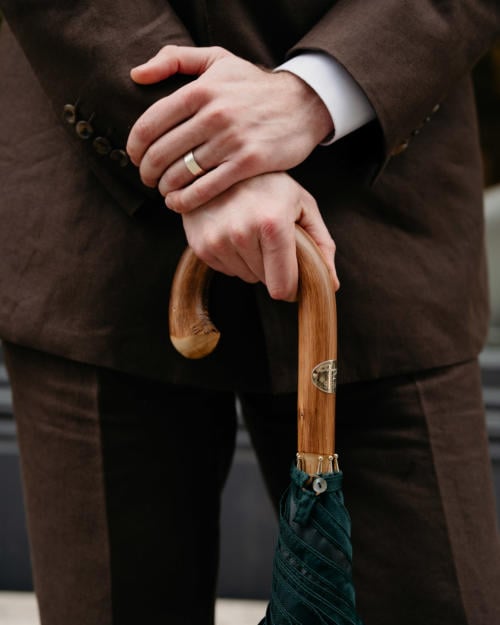
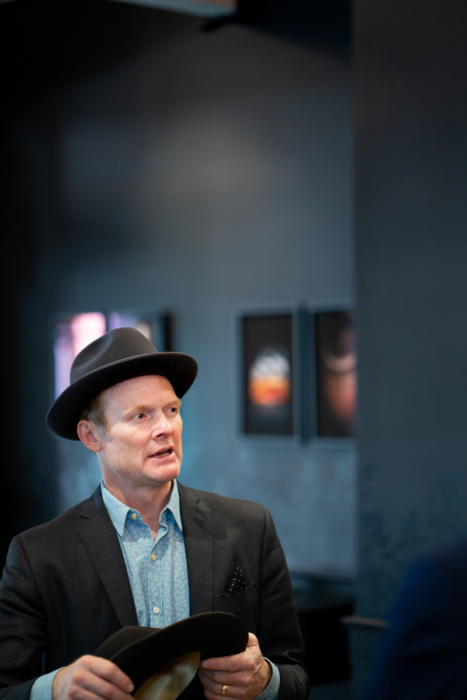








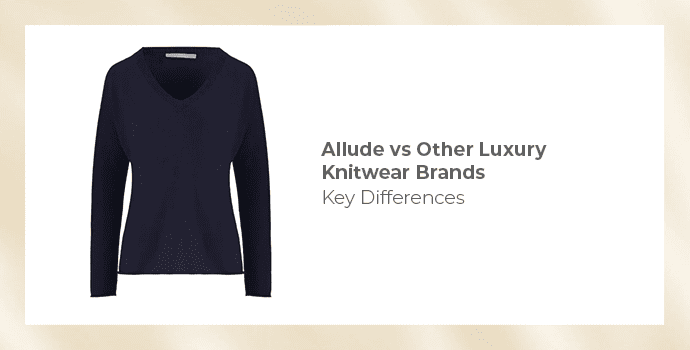


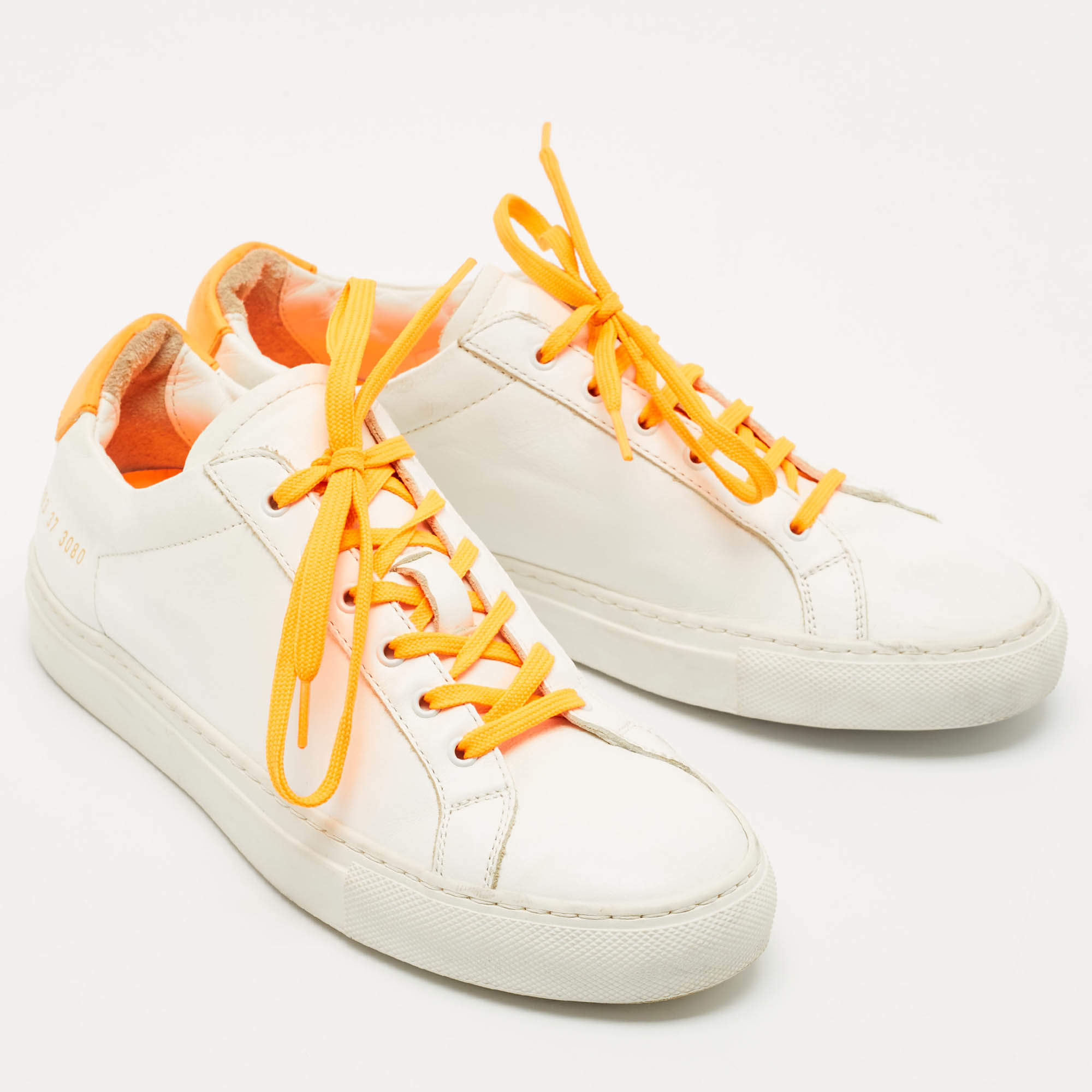


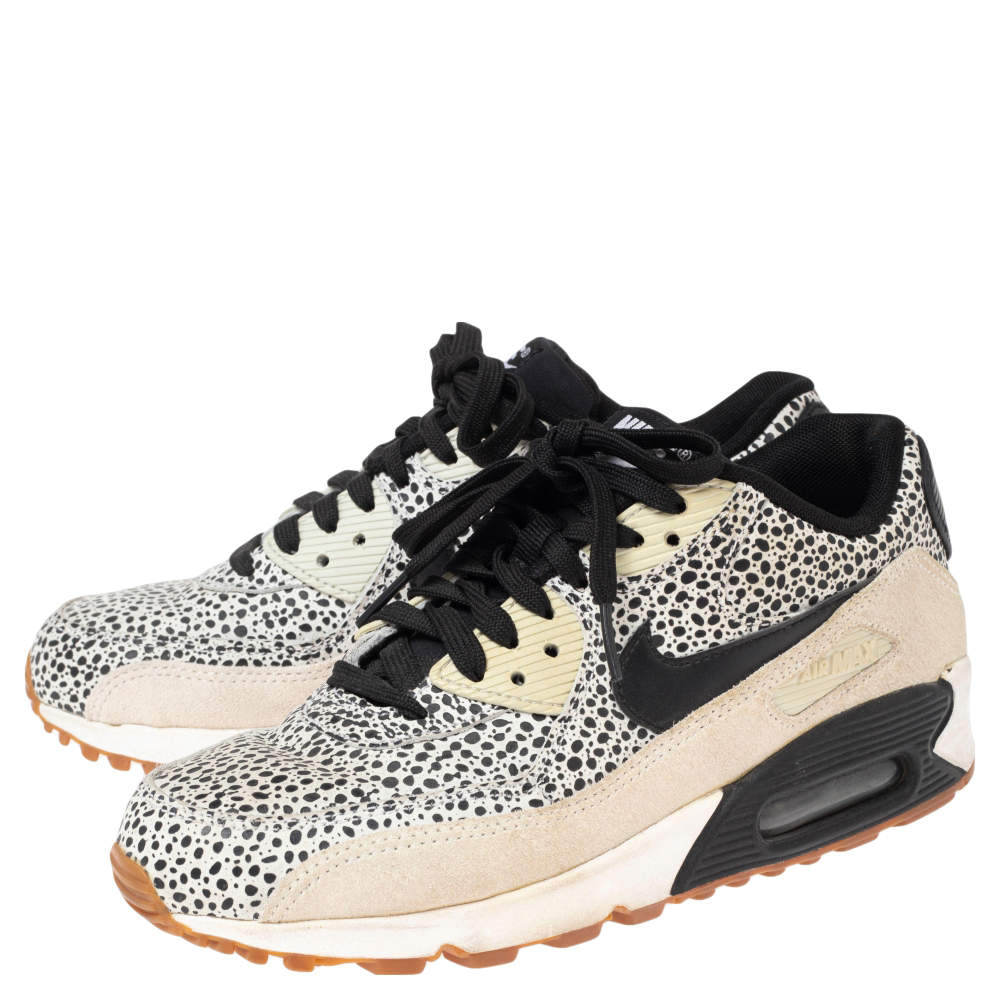

 Off-White x Nike Green Mesh and Suede Force 1 Low White Volt Sneakers. The AF1’s inherently wide toe box makes it one of the most accommodating everyday sneakers for broader foot shapes. Classic silhouette, widely available, true to size.


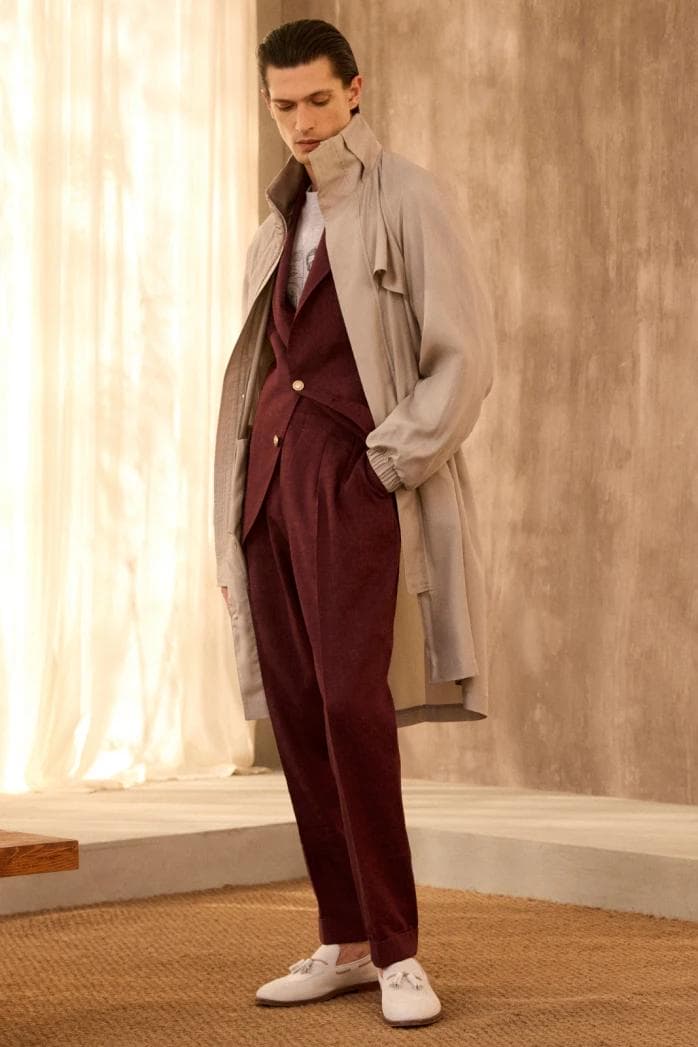
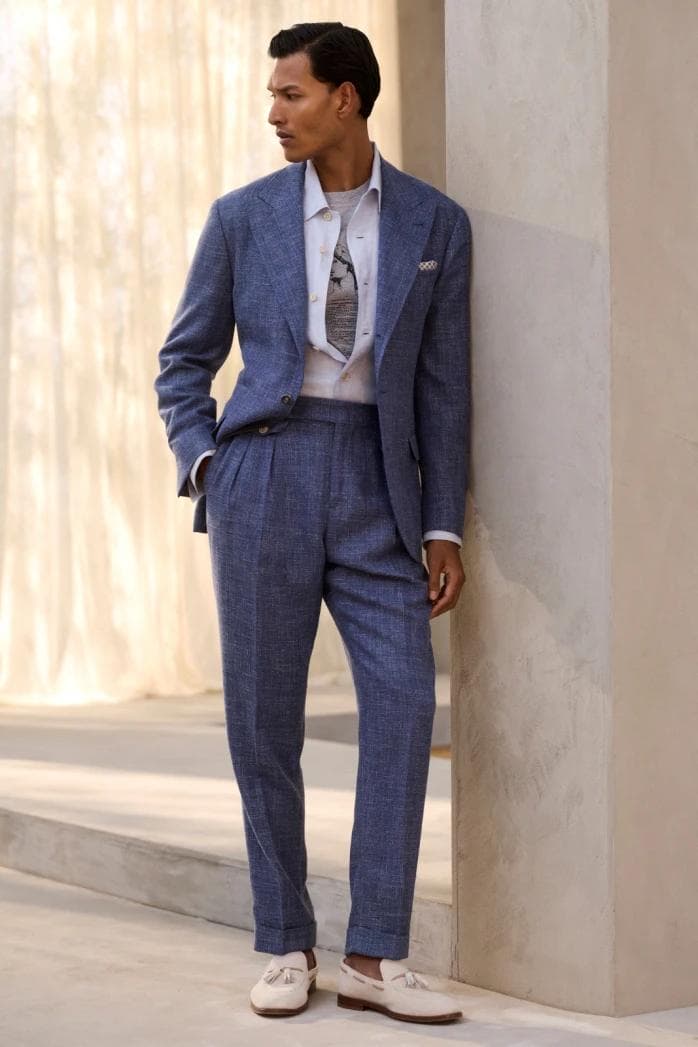
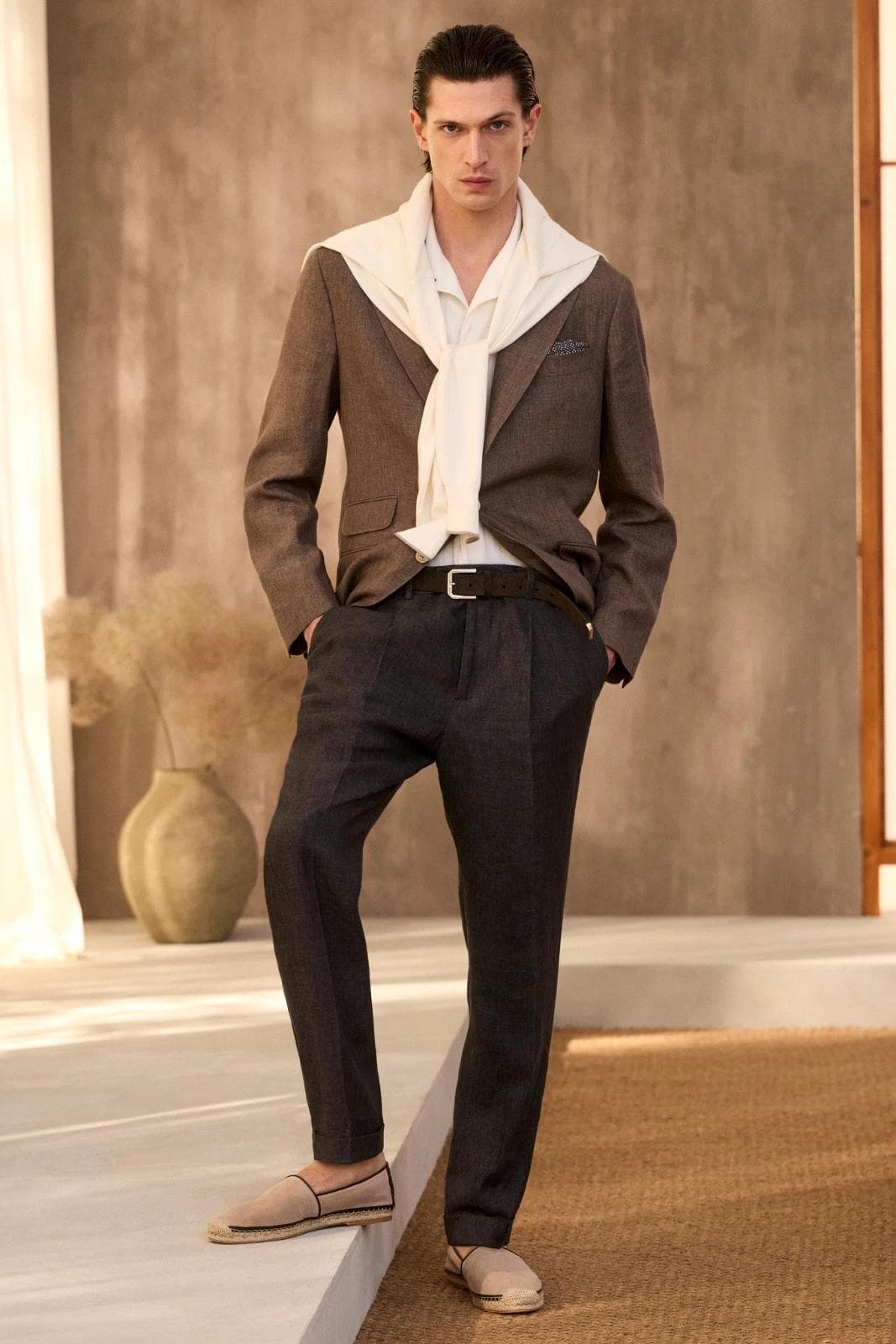
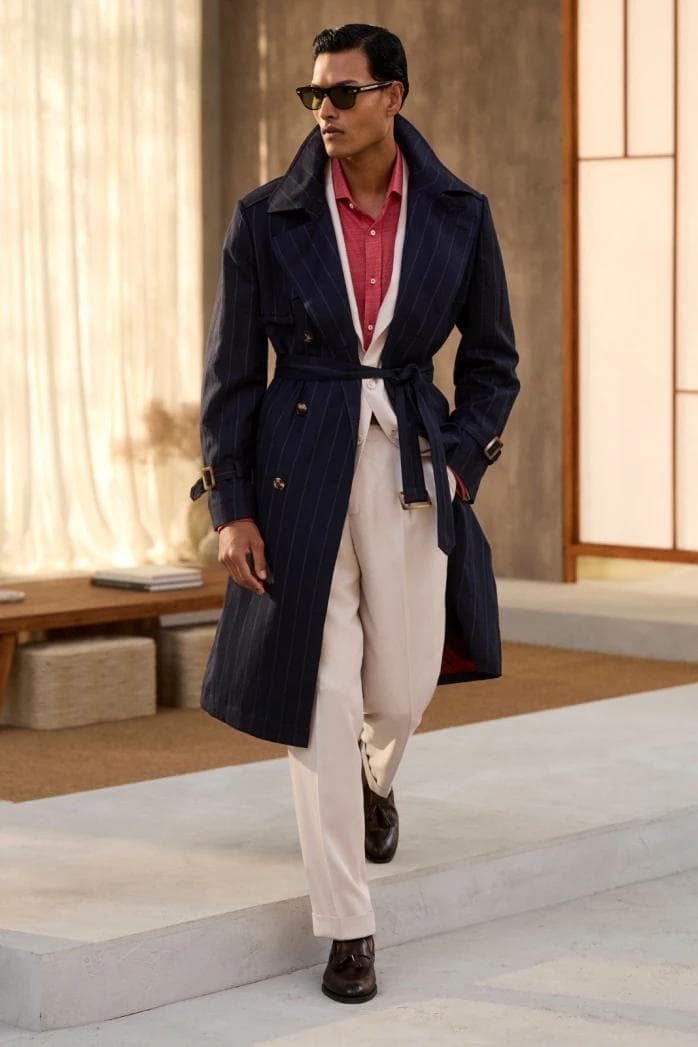
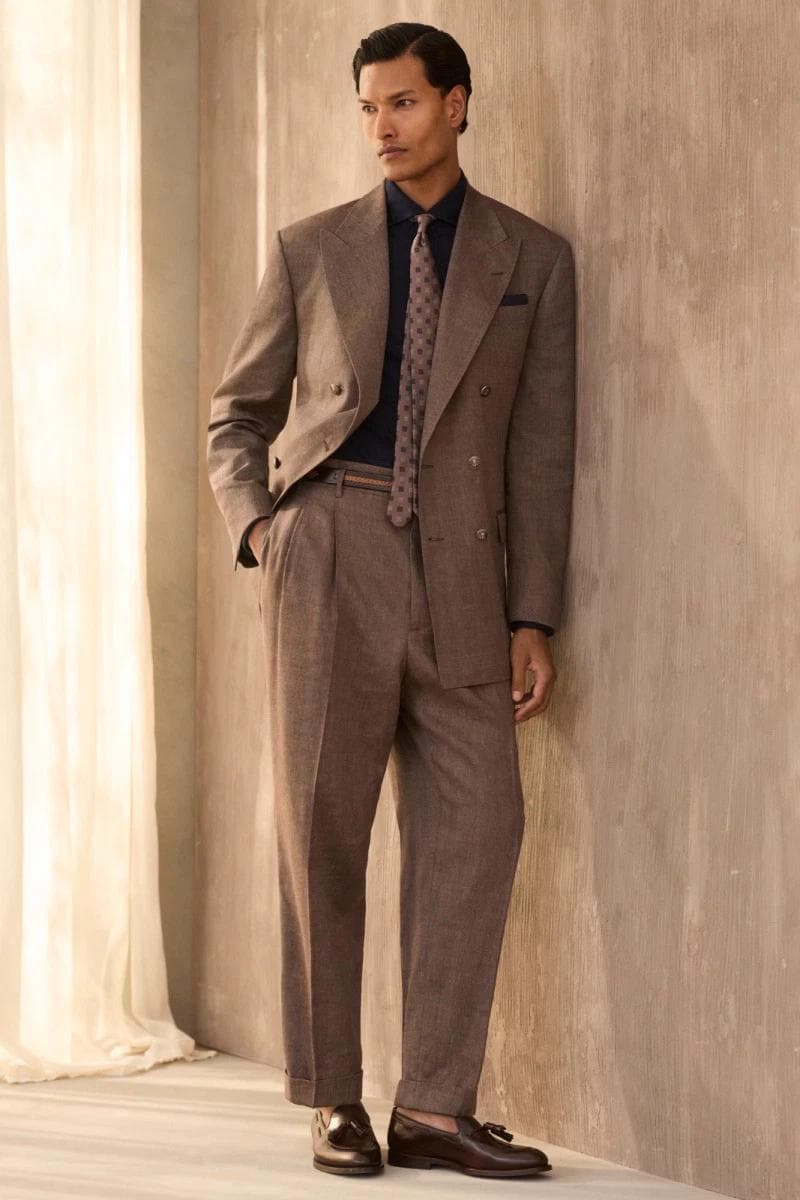
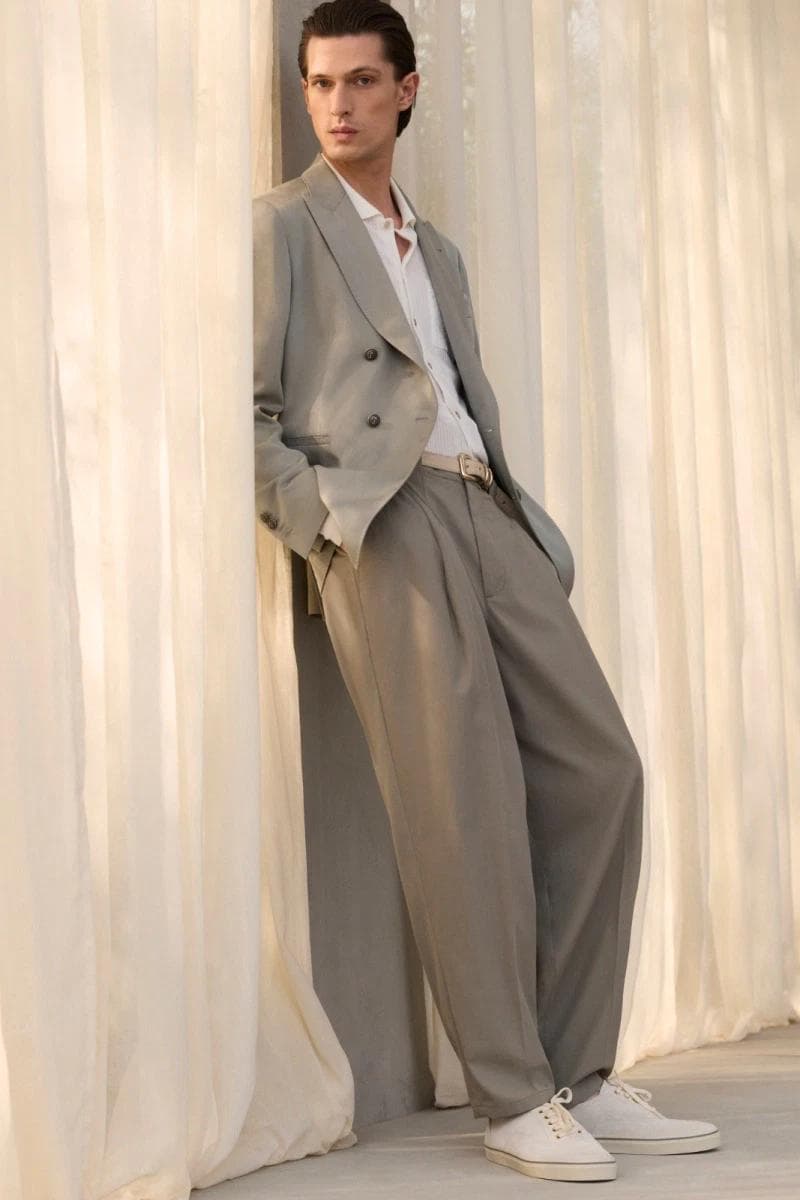


 Also part of the facility is an indoor swimming pool, impressive gym decked out in retro-style hardwood paneling and leather-bedecked workout equipment, and sauna. If you’re looking for long-term results, a wellness screening will analyze your body and determine the best strategies to soothe what ails you from muscle pain to digestion issues. Therapists specially trained in biohacking techniques set this spa apart from most others in the city.
 This venue is the star of the show here. A rotating team of experts staffs the alchemy bar and provides their expertise on how to heal and cure guests and locals using natural ingredients. You name it, they’ve got it here, and almost all of it is sourced locally around the United Kingdom. What isn’t from the region is brought sustainably (the coffee beans arrive by sailboat rather than freight plane, for example).
 What many may not realize is that the hotel also has a private members’ club that focuses mostly on food and beverage outlets, but also gives them access to the spa and fitness center. Following in the footsteps of other well-known club brands (like The Ned), Six Senses has a stringent member application that assures that the right people are mingling and gathering with each other here. It’s a place to do business and meet new friends.
 On the ground level is Whiteley’s Kitchen, the all-day dining restaurant serving a range of dishes, all of which rely on produce and ingredients sourced locally. The culinary team visited more than two dozen British farms and suppliers to select everything they plan to use on the menu. An open-plan kitchen means that guests can watch chefs prepare their meals.
 Most of the dishes on the menu have a special twist (my delicious shakshuka, for example, came as an omelet rather than the traditional baked preparation). While the hotel has its own coffee and pastry shop on the other side of the lobby, the breads and pastries here (including gluten-free options) are delightful. The sourdough bread here is killer and is hard to turn down.
 Place is the second-floor restaurant reserved for hotel guests as well as club members (this is the first members club for Six Senses in the world). Try the clay oven-baked flatbreads, delicious Caesar salad, whole sea bream fish and lengthy cocktail menu.
 Enormous rooms are the norm. While the views are not earth-shattering (rooms face either the internal courtyard or neighboring streets), the natural light and living spaces are. At the touch of a button, you can open or close the drapery. In some rooms, they open directly to a garden terrace.
 For those that fall in love with the Six Senses lifestyle, there are furnished apartments and residences. They come with full access to the rest of the property’s amenities. All of the rooms are spacious here, but families are not a focus. The vibe here leans more towards jetsetting adults rather than toddler-toting tourists.
 This was once the Whiteley’s Department Store, currently a Grade II-listed historic building. Here, the staff could source anything you wanted to buy. Legend has it, they could get anything “from a pin to an elephant,” and they have done both.
 Whiteley’s was the origin of personal shoppers and was a London institution. Today, it has been reborn as a lifestyle development with shops, restaurants and of course the Six Senses. The hotel staff continues to wow and is clearly proud of this latest urban Six Senses. It opened only in March of this year. You’ll find a dedication to sustainability and new-age well-being. But, there is also an emphasis on traditional luxury hospitality. That makes this Six Senses a destination for a wide range of travelers to London.


 Click on the link to view our video previews: Handsewn Straight Buttonholes, Handsewn Rounded Buttonholesand Handsewn Keyhole Buttonhole.