

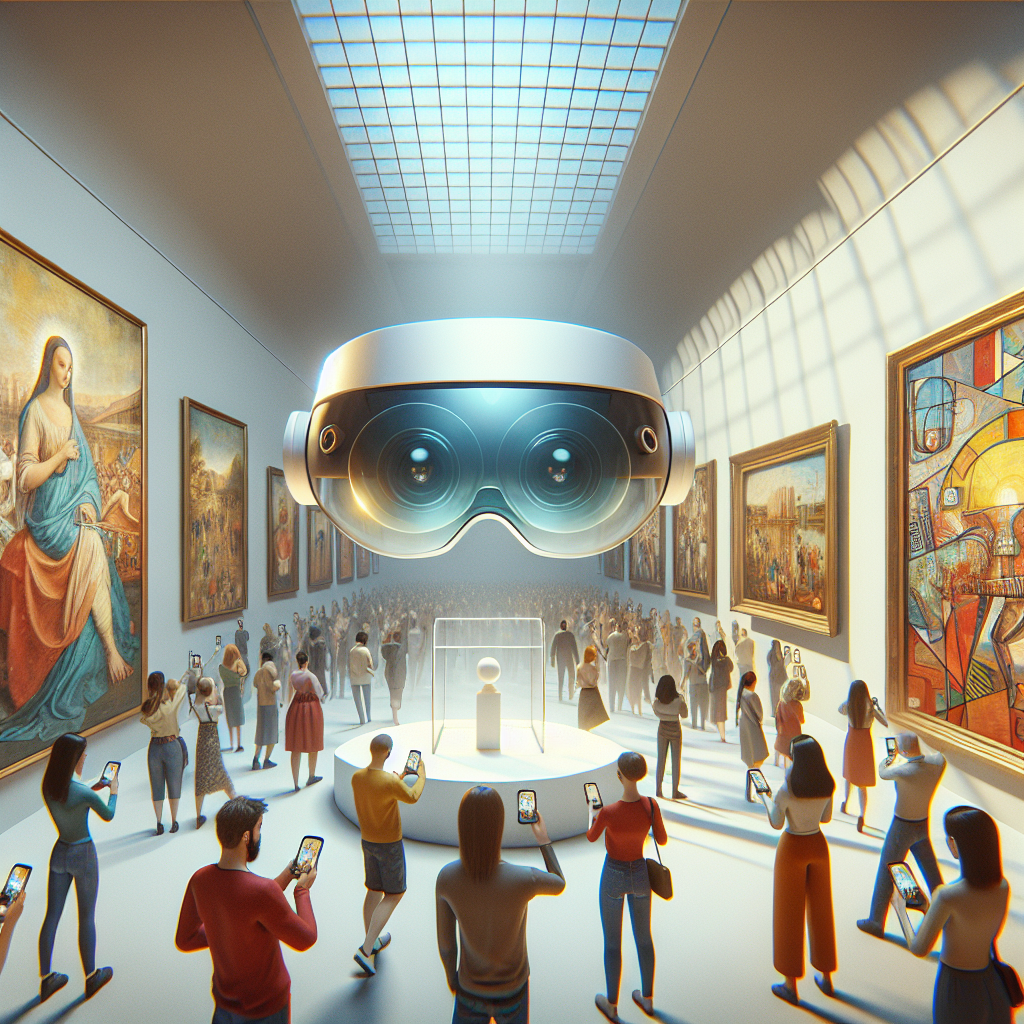
As technology continues to evolve, so too does the landscape of artistic expression. One of the most exciting advancements in this realm is augmented reality (AR), which offers artists innovative tools to connect with their audiences. By blending digital content with the physical world, AR has not only redefined how art is created but also how it is experienced. This article explores the transformative role of AR in bridging the gap between artists and viewers.
The Rise of Augmented Reality in Art
Augmented reality, a technology that overlays digital information onto the real world, has rapidly gained traction in various fields. In the art world, AR has emerged as a powerful medium, enabling artists to extend their creative boundaries. Projects like the "AR Art Walks" in major cities allow visitors to engage with virtual installations that interact with real-world environments. Artists can create immersive experiences that engage the senses, inviting spectators to step into alternate realities.
Enhancing Viewer Engagement
AR has fundamentally changed how viewers interact with art. Traditional physical exhibitions often limit the scope of engagement, but AR breaks these barriers. By using smartphones or AR glasses, users can access additional information about the artwork, witness animations, or even participate in interactive installations. This multi-layered approach not only enhances understanding but also fosters a deeper emotional connection with the piece.
Immersive Storytelling
One of the compelling aspects of AR is its capacity to transform storytelling within art. For instance, an artist can use AR to narrate the inspiration behind their work, providing context that might otherwise remain unexplored. Imagine standing in front of a painting and scanning it with a device to unlock a video of the artist discussing their creative process. This immediacy makes the experience richer and more personal.
Democratizing Art Access
AR technology also has the potential to democratize access to art. Through apps and platforms that utilize AR, artworks can be experienced by a global audience without the constraints of physical space. Virtual exhibitions can allow anyone with an internet connection to explore galleries and installations from their homes. This shift not only increases the visibility of emerging artists but also expands the reach of established ones, creating a more inclusive art world.
Challenges and Considerations
While the integration of AR in art presents myriad opportunities, it is not without its challenges. Technical limitations, such as the need for smartphones or tablets, can create barriers for some audiences. Moreover, the ephemeral nature of digital content raises questions about preservation and ownership. Artists must navigate these complexities while finding ways to keep their work accessible and engaging.
Ethical Concerns
Additionally, issues surrounding the commercialization of AR art, data privacy, and digital copyrights need consideration. As artists embrace AR, they must also ensure that their work remains authentic and true to their vision while being displayed in digital formats.
Future Implications
The future of AR in the art world is bright. As the technology progresses and becomes more affordable, we can anticipate more artists adopting AR tools. Collaboration between technologists and artists will likely yield increasingly sophisticated experiences, offering viewers more profound connections with art. As AR continues to evolve, it may redefine the roles of the artist and the viewer, transforming spectators into active participants in an ongoing narrative.
Conclusion
In conclusion, augmented reality is a groundbreaking tool that bridges the worlds of artists and viewers, creating dynamic, interactive experiences that resonate on multiple levels. By enhancing viewer engagement, democratizing access to art, and offering new forms of storytelling, AR invites a reimagining of the art experience. As both artists and audiences embrace this technology, we can expect a vibrant shift in how art is created, shared, and experienced—ultimately fostering a deeper connection between the creator and the beholder. In this exploration of new realities, AR not only enriches art but also transcends the boundaries of imagination, inviting us all to participate in a collective journey of discovery.


