

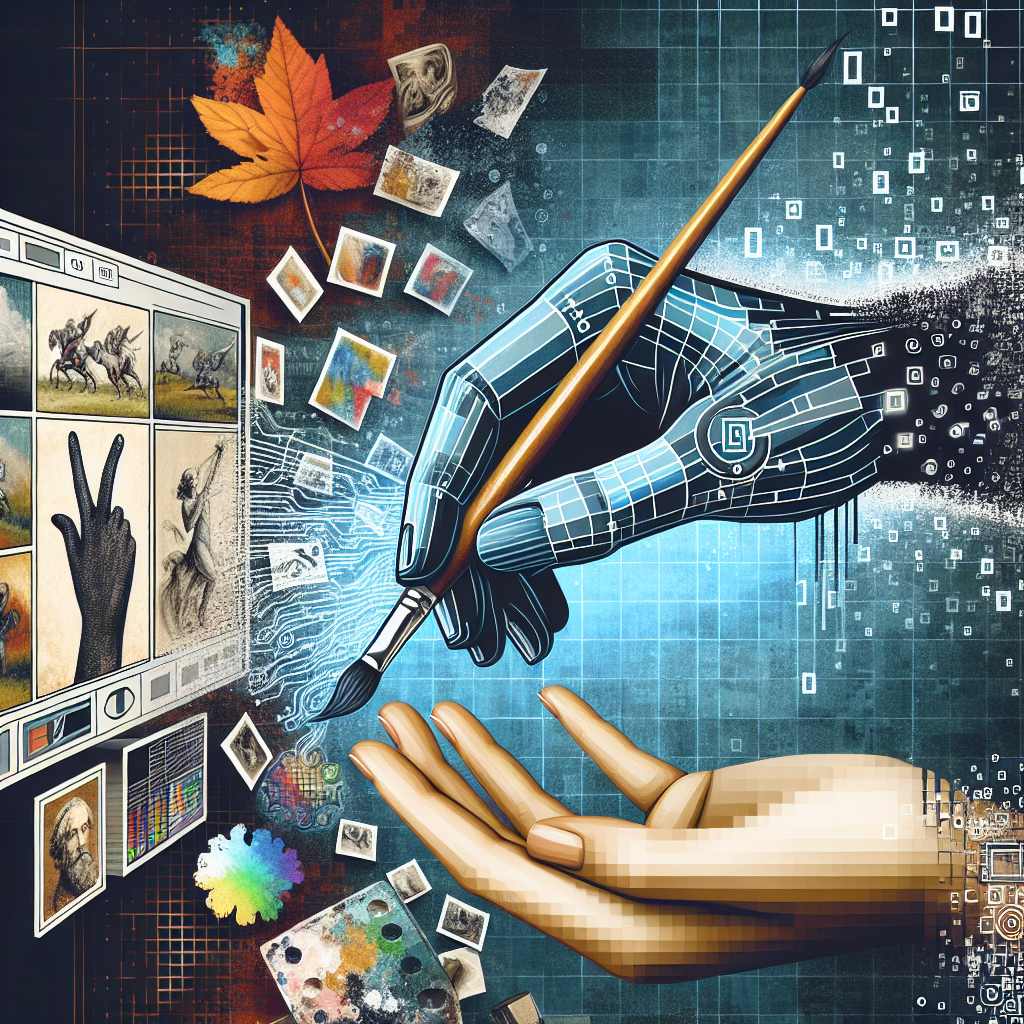
In an age where digital media pervades every aspect of our lives, its impact on education, particularly in art, has become increasingly transformative. As classrooms embrace technology, educators are challenged—and inspired—to integrate digital media into their curricula, creating new avenues for creative expression and collaboration. This article explores the multifaceted role of digital media in art education, highlighting its potential to bridge gaps, enhance learning experiences, and foster a deeper appreciation for art.
The Changing Landscape of Art Education
Traditional art education has often relied on physical mediums and face-to-face interactions. However, the rise of digital tools has revolutionized how students engage with art. From graphic design software to online galleries, digital media offers diverse platforms for exploration and expression. This shift not only accommodates different learning styles but also aligns with students’ digital-native experiences.
Enhancing Accessibility
One of the most significant advantages of digital media in art education is its ability to make art more accessible. Students from various backgrounds can access a wealth of resources online, including tutorials, virtual museum tours, and art history lectures. This democratization of information allows individuals who may not have access to traditional art education resources—such as art supplies, studios, or experienced mentors—to explore their creativity and develop their skills.
Additionally, digital platforms enable students to share their work with a global audience. Social media, online portfolios, and collaborative platforms allow budding artists to receive feedback and encouragement, fostering a sense of community and belonging that is often crucial in the development of one’s artistic identity.
Fostering Creativity and Innovation
Digital media encourages experimentation and innovation in art education. Students can easily manipulate, remix, and combine various digital tools to create unique pieces of art. For example, graphic design applications enable users to explore typography, color theory, and layout in ways that traditional mediums may not allow. As they become comfortable using these tools, students can push the boundaries of their creativity, harnessing the capabilities of technology to produce standout work.
Moreover, the use of digital media encourages interdisciplinary learning. By integrating concepts from fields such as photography, animation, and coding, art educators can inspire students to think outside the box and explore new methodologies. This kind of innovative thinking is essential not only in art but in solving broader societal challenges as well.
Promoting Collaboration and Communication
Digital media facilitates collaboration among students, teachers, and even artists around the world. Online platforms can host collaborative projects where students work together on a single artwork or engage in peer critiques. This interaction promotes vital communication skills and provides opportunities for students to learn from one another’s perspectives and cultural backgrounds.
Virtual classrooms and online forums can also connect students with established artists for mentorship and portfolio reviews. These opportunities not only enhance learning but also provide a lifeline to professional art networks, paving the way for future careers in creative fields.
Preparing for the Future
As the art world continues to evolve alongside technological advancements, it is crucial for art education to prepare students for the careers of tomorrow. Proficiency in digital tools is increasingly important in various professions, including graphic design, advertising, game design, and multimedia production. By incorporating digital media into art education, educators can equip students with essential skills that will serve them in their future endeavors.
Conclusion
The integration of digital media in art education holds immense potential for bridging gaps—between disciplines, communities, and creative expressions. As educators continue to explore innovative approaches to teaching, it is vital to recognize the value of digital tools in fostering accessibility, creativity, collaboration, and future readiness. By embracing these technologies, art education can not only adapt to contemporary demands but also thrive, nurturing the next generation of artists who can navigate and contribute to an increasingly digital world.


