

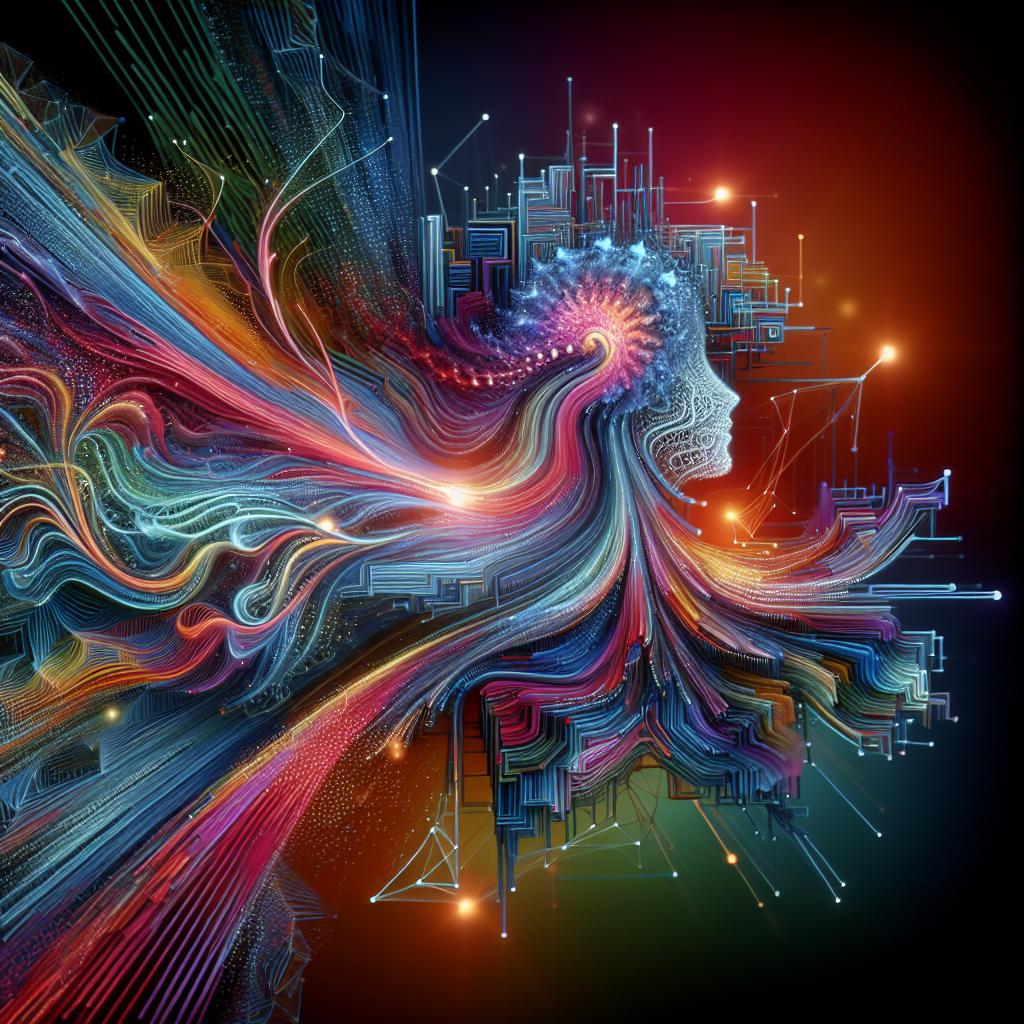
In recent years, the intersection of artificial intelligence (AI) and digital art has sparked a revolution, redefining creativity and expanding the horizons of artistic expression. This fusion not only challenges traditional notions of artistry but also opens up a realm of possibilities that was once the stuff of science fiction. As we explore the artistic potential of AI in digital art, we delve into how it breaks boundaries, fuels innovation, and reimagines the creative landscape.
The Evolution of AI in Art
Historically, art has been a profoundly human endeavor. Creators have relied on their skills, emotions, and unique perspectives to convey messages and evoke feelings. However, with the advent of AI algorithms—capable of processing vast amounts of information and learning patterns—artists now have a new tool at their disposal.
AI’s capability to analyze styles, themes, and techniques has led to the development of a range of applications, from image generation to creative writing. Tools such as DeepArt, Artbreeder, and DALL-E have empowered artists to experiment with forms and concepts that challenge the limitations of human imagination.
Expanding Creative Horizons
AI opens the door to boundless creativity, enabling artists to explore uncharted territories in their work. By employing machine learning algorithms, these tools can generate artworks that blend various styles, merge different eras, or create entirely new aesthetics. For instance:
-
Style Transfer: Using neural networks, artists can apply the style of famous painters to their images, creating novel compositions that are both original and reminiscent of classic art.
-
Generative Art: Artists can program AI to generate intricate designs or abstract pieces based on specific inputs, leading to artworks that evolve in ways the artist may not have anticipated.
-
Interactive Installations: AI allows for the creation of dynamic art installations that respond to viewers, making art a participatory experience.
Redefining Authorship and Collaboration
AI challenges the very notion of authorship in art. When a piece is conceived in collaboration with an algorithm, who is the true creator—the artist, the AI, or both? This question invites discussions about the nature of creativity and originality.
Artists are leveraging AI as a collaborative partner rather than a replacement. For instance, renowned artist Refik Anadol employs AI algorithms to create data-driven installations that explore the intersection of humans, machines, and the environments we inhabit. This collaboration enriches the artistic process, encouraging innovation and experimentation.
Addressing Concerns and Critiques
Despite the excitement surrounding AI in art, there are valid critiques and concerns. Issues of copyright, authenticity, and the potential devaluation of human artistry are prevalent in discussions within the artistic community. As AI becomes more integrated into the creative process, ensuring ethical practices and addressing these dilemmas will be crucial.
Artists must also be mindful of the biases inherent in training data, as these systems can inadvertently reproduce societal stereotypes. Promoting diversity and incorporating varied perspectives in AI training could enhance the inclusive potential of AI-generated art.
The Future of AI in Digital Art
As technology continues to advance, the possibilities for AI in the realm of digital art are limitless. We may see more immersive experiences, such as virtual reality and augmented reality art forms that combine AI-generated visuals with interactive narratives. Collaborations between AI and traditional art forms are also likely to flourish, further blurring the lines between disciplines.
In conclusion, the fusion of AI and digital art is breaking boundaries, fostering new dimensions of creativity and expression. As artists embrace this technology, they are not merely adopting tools but are entering a dialogue with machines, exploring what it means to create in a digital age. The future holds a promise of artistic collaboration that excites and inspires, inviting us to rethink the essence of art itself.


