

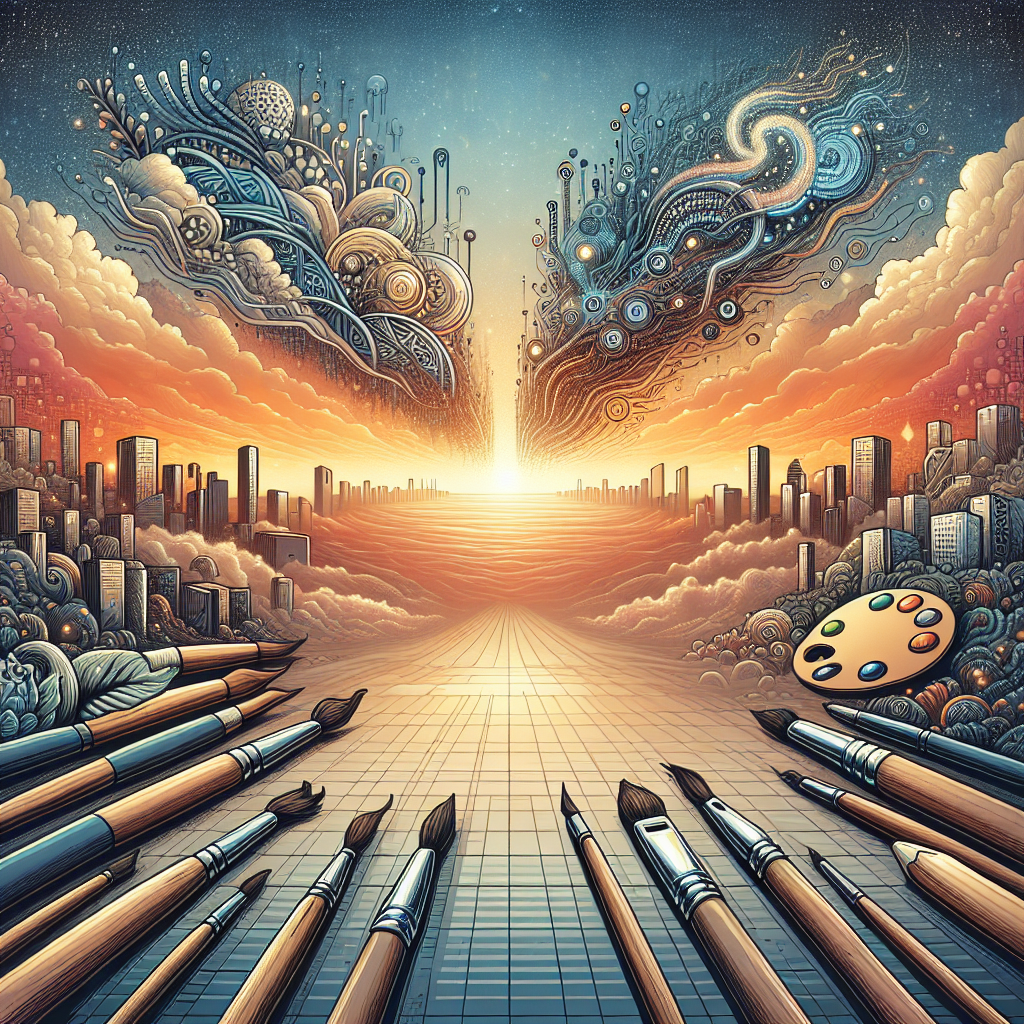
In recent years, the art world has witnessed a transformative shift, propelled by advancements in technology and the emergence of generative art. This innovative form of artistic expression not only expands creative possibilities but also challenges the very definition of what art can be. Generative art tools have democratized the creation process, allowing both seasoned artists and newcomers to explore new dimensions of creativity.
Understanding Generative Art
Generative art refers to works that are largely created through autonomous systems, algorithms, or processes. This can involve computer code, mathematical models, or other rule-based systems to generate artworks. Unlike traditional art forms, where the artist’s hand is dominant, generative art emphasizes the role of the system in the creation process, leading to unique outcomes often impossible to replicate.
Key Characteristics
-
Algorithmic Foundations: At the core of generative art lies algorithms. Artists use programming languages such as Processing or JavaScript to develop instructions that guide the creation of visual forms.
-
Interactivity: Many generative art pieces invite audience interaction. Viewers might influence the piece in real-time, making the art experience dynamic and participatory.
-
Randomness and Emergence: Incorporating elements of randomness allows for surprising outcomes. This unpredictability often leads to emergent properties, where the whole becomes greater than the sum of its parts.
The Evolution of Generative Tools
Historically, generative art was primarily the domain of computer scientists and mathematicians. However, the rise of user-friendly software and platforms has broadened access. Below are some notable generative art tools that have revolutionized the field:
1. Processing
Processing has been a pioneer in the generative art movement. This open-source programming language and environment allows artists to create visuals easily. Its concise syntax makes it accessible to beginners, while its depth offers seasoned artists room for complexity.
2. OpenFrameworks
OpenFrameworks is another powerful toolkit that facilitates creative coding. It provides a C++ library for interactive and generative projects, catering to artists who want a deeper dive into coding and graphics programming.
3. TouchDesigner
TouchDesigner is a node-based visual programming language tailored for real-time interactive multimedia content. It’s often used in installations and live performances, allowing artists to manipulate visuals, sound, and interactivity seamlessly.
4. P5.js
P5.js is a JavaScript library that simplifies creating graphics and interactive content for the web. It’s inspired by Processing, making it great for web artists who want to share their generative works online.
5. Artbreeder
Artbreeder is a collaborative platform that allows users to create and modify images using machine learning. It merges the styles of different images, enabling artists to explore unique aesthetic combinations in an intuitive way.
The Implications of Generative Art
The rise of generative art tools brings several societal and philosophical implications:
1. Creativity and Accessibility
Generative art democratizes creativity. Individuals without formal artistic training can create stunning visual works simply by understanding basic algorithmic principles. This opens doors for a more diverse range of voices in the art world.
2. The Role of the Artist
Generative art encourages new perspectives on authorship and originality. As artists embrace algorithmic processes, discussions about the role of the creator versus the machine become prominent. Who owns the art—the artist, the algorithm, or both?
3. Environmental Impact
Generative art also provides a unique platform for addressing environmental concerns. Artists use algorithms to visualize complex data about climate change, biodiversity, and other vital issues, thereby fostering awareness through creativity.
Conclusion
Generative art tools have transformed the landscape of artistic creation, empowering a new generation of artists to explore the interplay between technology and creativity. As we move beyond traditional techniques, the art world embraces a future rich with possibilities. The journey of generative art is just beginning, and its potential to inspire, challenge, and disrupt is immense. Embracing these tools invites everyone to partake in an ever-evolving dialogue between human creativity and artificial intelligence, redefining our collective experience of art.


