

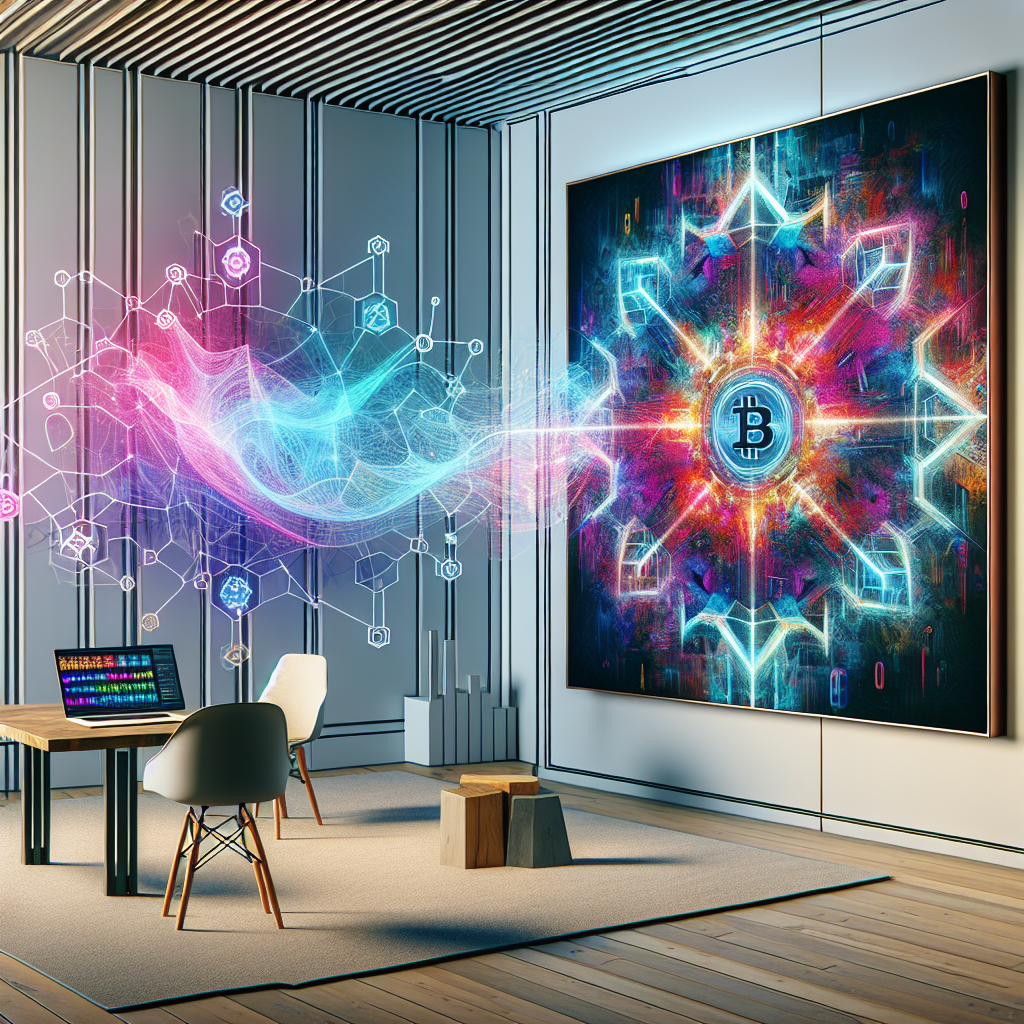
In recent years, Non-Fungible Tokens (NFTs) have surged into the mainstream, tantalizing collectors, artists, and techno-enthusiasts alike. Yet, amidst the excitement and investment fervor, the underlying technology that powers NFT art remains obscure to many. In this article, we will explore the mechanics of NFTs, their significance in the digital art world, and the implications they have for artists and collectors.
What Are NFTs?
At their core, NFTs represent a unique digital asset verified using blockchain technology. Unlike cryptocurrencies such as Bitcoin or Ethereum, which are fungible (interchangeable with one another), NFTs are one-of-a-kind and cannot be replicated. This uniqueness gives NFTs their value, allowing them to signify ownership and authenticity of digital art, music, videos, and even tweets.
The Blockchain Backbone
Blockchain plays a crucial role in the functionality of NFTs. Essentially, a blockchain is a decentralized, digital ledger that records transactions across multiple computers. This means that once a transaction is recorded, it is nearly impossible to alter or delete it, providing a secure method for proving ownership and authenticity.
Most NFTs are built on the Ethereum blockchain, which supports smart contracts. These self-executing contracts automatically enforce the terms of an agreement without intermediaries. When an NFT is created, a smart contract is deployed that governs issues such as royalties, transfers, and ownership history.
How NFTs are Created
Creating an NFT, commonly referred to as "minting," involves uploading a digital file (such as artwork, music, or video) to an NFT marketplace, like OpenSea or Rarible. The creator then links this file to a smart contract, generating a unique token on the blockchain. This token, with its unique identifier, contains metadata that describes the asset and serves as proof of ownership.
Minting can incur gas fees—transactions costs for processing on the blockchain. These fees fluctuate based on network congestion, which can discourage small creators from entering the market.
The Role of Artists and Collectors
For artists, NFTs offer a groundbreaking opportunity. They can sell their digital artworks directly to collectors while retaining royalties for future sales through programmed smart contracts. This contrasts traditional art markets where artists often receive a one-time payment for their work.
Collectors also benefit from the ownership and provenance guaranteed by blockchain. With an NFT, a collector can prove authenticity and ownership, potentially increasing the value of their investment. Auctions and resale markets, driven by demand, have seen the prices of some NFT art pieces skyrocket into the millions.
Environmental Considerations
While the potential for NFTs is exciting, they have drawn criticism for their environmental impact. The energy-intensive process of validating transactions on proof-of-work blockchains, such as Ethereum, contributes significantly to carbon emissions. This has led to exploration and advocacy for greener alternatives, such as proof-of-stake mechanisms that are more energy-efficient.
The Future of NFT Art
The evolution of NFTs suggests a long-lasting impact on the art world. With continuous advancements in blockchain technology, the future may bring enhanced functionalities such as fractional ownership (allowing multiple people to own shares of an expensive digital artwork) or integration with augmented reality (AR) and virtual reality (VR).
Moreover, as traditional institutions recognize the appeal of digital art, we may see more galleries and museums showcasing NFT collections, further legitimizing them as a medium.
Conclusion
Though still in its infancy, the world of NFT art is a fascinating intersection of technology, creativity, and commerce. By understanding the technology behind NFTs, artists and collectors can better navigate the exciting and sometimes chaotic landscape. As the hype continues, it’s essential to engage critically with the underlying principles that make NFTs a powerful tool for artists and a significant development in the digital economy. The journey of NFTs has just begun, and their impact on art, ownership, and the very nature of creativity may well reshape the future of artistic expression.


