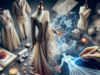
The fusion of technology and creativity has heralded a transformative era in the art world, with artificial intelligence (AI) emerging as a powerful force. From generating innovative artworks to revolutionizing how art is created and consumed, AI is redefining traditional paradigms, challenging artistic boundaries, and reshaping the future of artistic expression.
The Rise of AI in Art
AI’s entry into the art realm can be traced back to the development of algorithms capable of analyzing vast datasets. Artists and technologists began experimenting with these algorithms to create unique pieces that blend human creativity with machine efficiency. Tools like OpenAI’s DALL-E, Google’s DeepDream, and Runway ML enable users to produce stunning visuals that were once limited to the realm of human imagination.
Generative Art
One of the most prominent applications of AI in art is generative art. Using algorithms to create visuals based on specific parameters, generative artists can produce endless variations of a single piece. This approach not only pushes the boundaries of what constitutes art but also invites viewers to engage with the creative process in unprecedented ways. Artists such as Refik Anadol and Mario Klingemann have gained recognition for their AI-generated works, enchanting audiences with the mesmerizing interplay of technology and creativity.
Collaboration Between Artist and Machine
Rather than replacing human creativity, AI serves as a collaborator. The relationship between artist and machine is one of symbiosis, where AI aids in enhancing creative output. Artists can harness the power of machine learning to analyze trends, explore new styles, and generate ideas, allowing for a more dynamic creative process. The outcome is often hybrid works that encapsulate the essence of both human artistry and artificial intelligence.
Case Studies: AI and Artistic Collaboration
-
Anna Ridler: Known for her pioneering work in AI art, Ridler creates pieces that blend traditional processes with machine learning. Her project, "Mosaic Virus," utilized AI to generate artworks based on a dataset of flower photographs, showcasing the beauty and unpredictability of nature through computational means.
-
Obvious: This Paris-based art collective gained fame for their AI-generated portrait "Edmond de Belamy," which was sold at auction for over $432,000. This marked a significant moment in the art world, combining the intricacies of AI with the appeal of traditional portraiture.
Redefining Ownership and Authenticity
The rise of AI-generated art also raises pressing questions about authorship, ownership, and authenticity. Who owns a piece created by an algorithm? Is it the programmer, the artist who used the tool, or the AI itself? These questions challenge traditional notions of art ownership and pave the way for new models of distribution, potentially reshaping the art market.
NFTs and AI
The intersection of AI and non-fungible tokens (NFTs) has further blurred the lines of authorship and ownership. Artists now use AI to create unique digital artworks that can be minted as NFTs, empowering creators by allowing them to directly sell their work to collectors and enthusiasts. The NFT marketplace has opened doors to democratize art ownership, enabling a broader audience to access and invest in high-quality digital art.
Challenges and Critiques
Despite the excitement surrounding AI in art, there are challenges and critiques to consider. Concerns about creativity and originality are prominent, with some critics arguing that AI-generated art lacks the depth and emotional resonance of human-created works. Additionally, the potential for AI to perpetuate biases encoded in training data raises ethical concerns, emphasizing the need for responsible AI development.
The Future of Art
As AI continues to advance, its integration into the art world will only deepen. Artists will likely experiment with new AI tools, leading to an explosion of creativity that blends technology with traditional art forms. The art world may increasingly embrace hybrid exhibitions that include digital, interactive, and AI-enhanced experiences.
Conclusion
The intersection of AI and art is a rich tapestry of innovation and inquiry, challenging our perceptions of creativity and the role of technology in artistic expression. As we venture into this uncharted territory, the potential for collaboration between humans and machines is endless—offering a glimpse into a future where art transcends its boundaries and evolves in ways we can hardly imagine.