

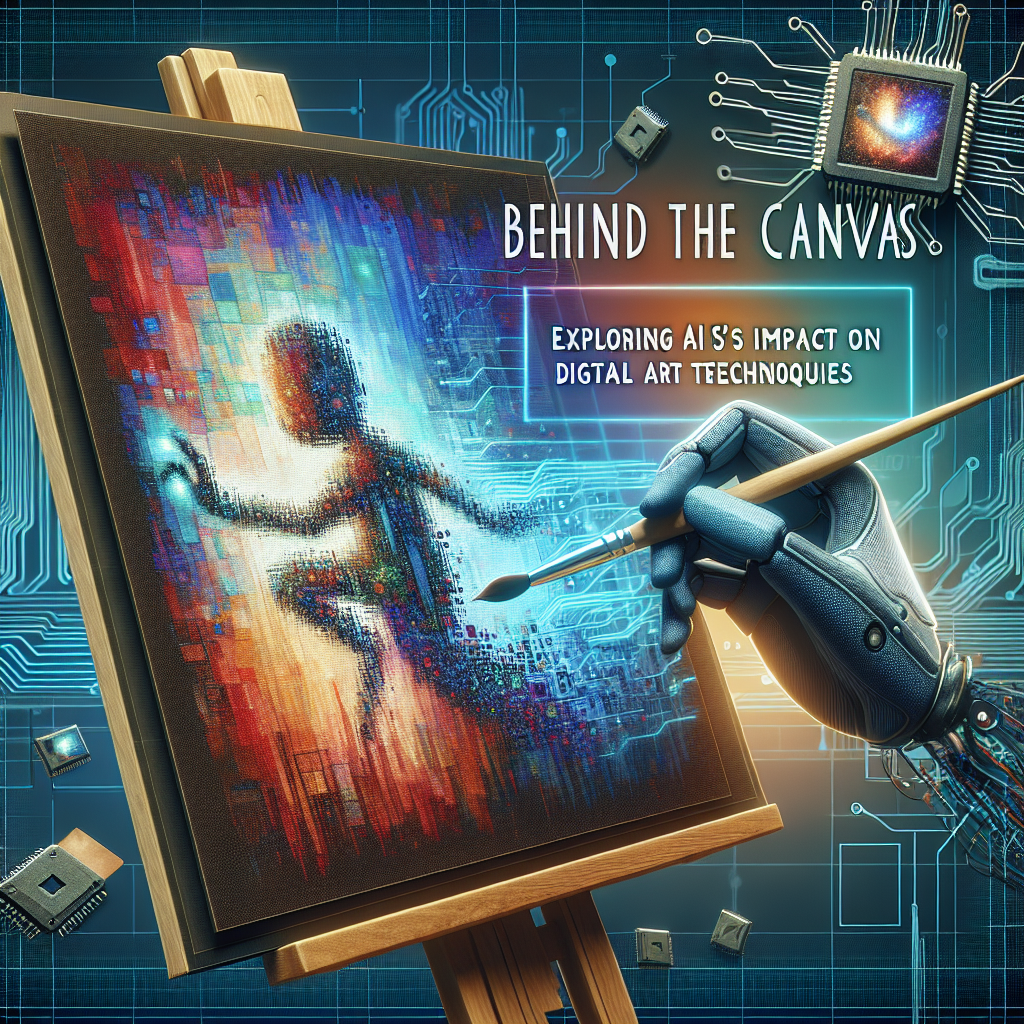
The fusion of technology and creativity has always shaped the evolution of art. Today, one of the most transformative forces in the art world is artificial intelligence (AI). With its ability to analyze vast datasets, learn patterns, and even create original works, AI is not just a tool but a collaborator for artists. This article delves into how AI is reshaping digital art techniques, enhancing creativity, and prompting new conversations about authorship, originality, and the future of artistic expression.
The Rise of AI in Art Creation
AI applications in art have proliferated, with tools like DeepArt, DALL-E, and Artbreeder leading the charge. These platforms use neural networks and machine learning algorithms to generate unique artworks, assisting artists in various ways, from idea generation to complex image rendering. For example:
-
Generative Art: Algorithms generate artwork by interpreting various inputs. Artists can set parameters—color schemes, styles, and forms—allowing for endless possibilities and variations. This process often leads to unexpected results that can inspire further artistic exploration.
-
Style Transfer: Tools that can take an existing image and apply the stylistic elements of another work enable artists to experiment with visual aesthetics. This technique allows for the merging of classic art styles with contemporary themes, bridging time periods in ways previously unimaginable.
Enhancing Traditional Techniques
While AI offers novel methods for creating art, it also serves as an enhancement for traditional digital techniques. With its capabilities, artists can:
-
Streamline Workflows: AI tools can automate repetitive tasks, such as color correction or pattern generation. This efficiency allows artists to focus more on the conceptual aspects of their work rather than tedious technicalities.
-
Real-Time Feedback: AI can analyze compositions and offer suggestions for improvement, helping artists refine their pieces in real-time. This feedback can come in various forms, from color recommendations to composition enhancements.
-
Augmented Creativity: AI can inspire new ideas and facilitate brainstorming. By presenting artists with combinations they might not have considered, AI expands the boundaries of creative thinking and encourages innovative approaches to art-making.
Ethical and Philosophical Considerations
The integration of AI into the art world raises important ethical and philosophical questions. Who owns the art created by AI? If an artist uses an AI tool to generate a piece, is the work still fundamentally theirs? These considerations challenge traditional notions of authorship and originality.
Moreover, as AI systems learn from vast datasets, they often incorporate styles and elements derived from existing artworks. This can inadvertently lead to concerns regarding copyright infringement and the potential erosion of individual artist identities. As artists and technologists navigate these complexities, they are redefining what it means to create art in an age dominated by digital technology.
AI-Co-Creation: The Future of Art
Looking ahead, the relationship between AI and artists is poised to evolve into a collaborative partnership rather than a simple tool-user dynamic. As AI becomes more sophisticated, we may see the emergence of artworks that combine human ingenuity with algorithmic efficiency. This co-creation could lead to:
-
Interactive Installations: Artworks that change based on viewer interaction or data inputs will allow for personalized experiences tailored to individual interpretations.
-
Collaborative Art Events: Artists from different backgrounds can come together to create in real-time with AI, showcasing a blend of human emotion and machine learning that reflects the complexities of contemporary society.
-
New Art Disciplines: The further incorporation of AI could lead to entirely new forms of artistry, expanding the definitions of art in our global lexicon.
Conclusion
The intersection of AI and digital art techniques opens up a world of possibilities, reshaping not just how art is created but also how it is experienced and understood. As artists harness the power of AI, they invite us to rethink creativity in the digital age. The future of art is not just about what can be created but about how we as a society engage, interpret, and value these new forms of expression. As we navigate this exciting frontier, one thing remains clear: the canvas is broader and more dynamic than ever before.


