

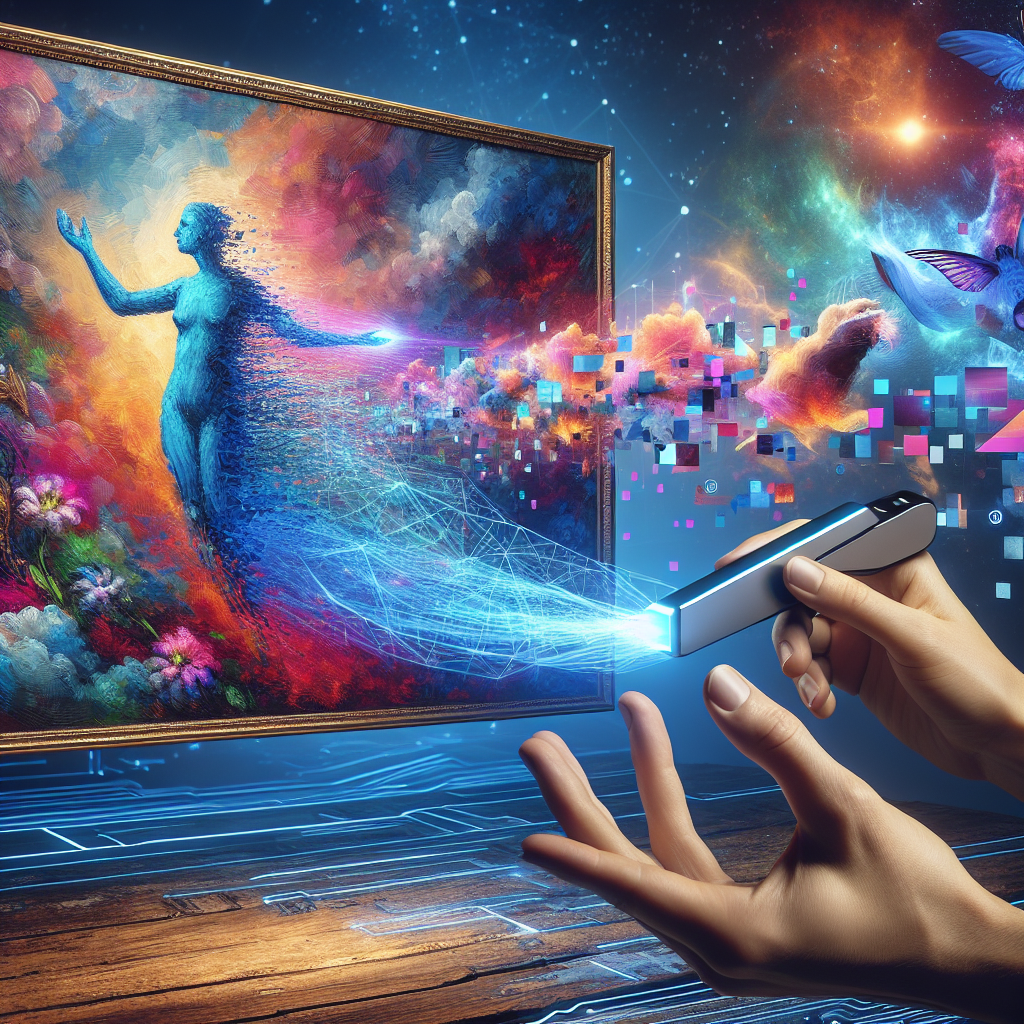
In recent years, the art world has seen a rapid transformation with the rise of augmented reality (AR). This technology, which superimposes digital information onto the physical environment, is creating a new medium that merges the tangible and the virtual. By doing so, augmented reality art is not only changing how we experience artwork, but also challenging our perceptions of space, interaction, and creativity.
The Emergence of Augmented Reality in Art
Augmented reality has its roots in technological advancements aimed at enhancing user experiences across various fields, including gaming, education, and marketing. However, its most intriguing application is arguably in the realm of art. Artists are now utilizing AR to introduce layers of context, narrative, and interactivity to their work.
Pioneers in this field, like Marina Abramović and Kira Jolliffe, have begun to experiment with AR to expand their artistic visions. For instance, Abramović, known for her performance art, has created projects that encourage viewers not merely to observe but to engage with the art on a deeper level. The incorporation of AR allows spectators to interact with digital representations of the artist’s thoughts and emotions, adding a new dimension to the experience.
Creating New Narratives
One of the most captivating aspects of augmented reality art is its ability to create new narratives. By integrating digital elements—animations, audio, or other multimedia—artists can craft stories that unfold in real-time as viewers engage with the artwork. This interactive experience enhances the narrative, offering layers of interpretation that go beyond the static nature of traditional mediums.
For example, an installation that might appear as a simple mural can transform into a dynamic story when viewed through an AR application. As viewers approach the wall, they might see additional characters and animations appear, effectively turning a two-dimensional image into a living scene.
Changing Interaction and Engagement
Traditional art often requires passive observation; however, AR art encourages active participation. Viewers are not just consumers but collaborators within the artwork. They might be asked to respond, touch, or even move to different locations to unlock elements of the piece. This shift from passive to active engagement can deepen emotional responses, allowing audiences to connect with art on a personal level.
Furthermore, AR can democratize art by allowing it to be experienced in diverse locations. A mural in a city square can come alive for someone halfway across the world through a mobile app, fostering a global community of art lovers who can share and discuss their experiences online.
Overcoming Physical Limitations
Physical constraints have often limited the reach and experience of art. AR transcends these boundaries, making art accessible to broader audiences. Public installations can extend their life and impact far beyond their physical form, as digital representations can exist indefinitely in the online realm. This accessibility opens up art to new audiences, allowing people who may not have the opportunity to visit galleries or exhibitions to interact with artwork in unique and engaging ways.
The Future of Augmented Reality in Art
As technology continues to advance, the potential for augmented reality in art will expand even further. Virtual reality (VR) and spatial computing technologies may soon make it possible to blend the digital and physical worlds in ways we cannot yet imagine. Artists will likely explore new forms of storytelling and interaction, pushing the boundaries of creativity.
However, this evolution brings challenges, particularly regarding copyright and the ownership of digital art. As augmented reality becomes more mainstream, these issues will need to be addressed to protect both the artists and their creations.
Conclusion
Augmented reality art represents a profound shift in the art landscape, inviting us to reevaluate our relationship with creativity and technology. By bridging the gap between the digital and physical worlds, it fosters deeper engagement, encourages new narratives, and breaks down barriers to access. As we look to the future, AR is set to become a powerful tool for artists aiming to redefine the boundaries of expression, leading to an exciting era of artistic possibilities.


