

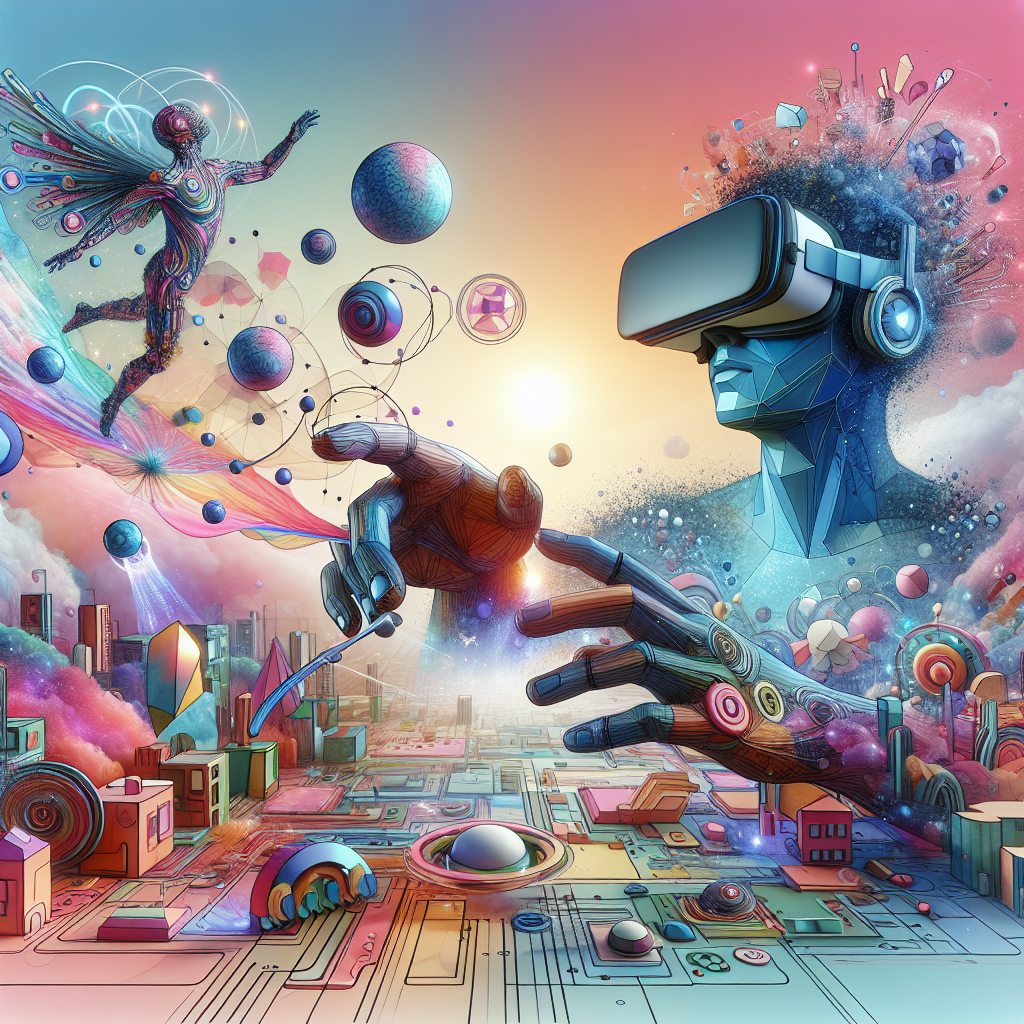
The fusion of art and technology has always been a catalyst for innovation and expression. In recent years, augmented reality (AR) has emerged as a revolutionary medium, allowing artists to transcend traditional boundaries and engage audiences in dynamic and immersive experiences. This article explores how artists are harnessing AR technology to create groundbreaking works that challenge perceptions, invite interaction, and redefine art itself.
The Rise of Augmented Reality in Art
Augmented reality overlays digital content onto the real world, enhancing the viewer’s experience with interactive elements. Unlike virtual reality, which immerses users in a completely digital space, AR provides layers of content that coexist with the physical environment. This unique attribute makes it an exciting tool for artists.
Several key developments have enabled the rise of AR in art:
-
Smart Devices: The ubiquity of smartphones and tablets has made AR technology accessible to a broader audience. Artists can create works that can be easily viewed and interacted with via ordinary mobile devices.
-
AR Platforms: With platforms like Artivive, Instagram filters, and Snap Lens, artists have found new ways to showcase their work and connect with audiences directly.
-
Interactivity: AR allows for unprecedented interactivity, enabling viewers to become active participants in the art experience rather than passive observers.
Artists Who Are Pioneering AR
A new wave of artists is utilizing AR to push creative boundaries, each exploring different facets of the medium:
1. Kerry James Marshall
Renowned for his profound explorations of African-American identity, Kerry James Marshall has engaged with AR in his recent works. By integrating AR with his paintings, viewers can experience layers of history and narrative, enabling a deeper understanding of cultural context.
2. Kara Walker
Kara Walker has embraced AR to complement her provocative installations, allowing viewers to access digital animations that expand on the themes of race and identity found in her work. This combination creates dialogues that are both historical and contemporaneous.
3. Zach Lieberman
An artist and educator, Zach Lieberman uses AR to create interactive installations that invite participation. His projects often blur the line between viewer and creator, where the audience becomes part of a larger creative process.
4. Refik Anadol
Anadol is known for his data-driven artworks that utilize AR technology to visualize vast amounts of data in stunning, immersive formats. By mapping data to physical spaces, his works challenge perceptions of reality and time.
The Impact of AR on Audience Engagement
Augmented reality transforms how audiences engage with art, making it a more participatory experience. Here are some ways this engagement manifests:
1. Enhanced Storytelling
AR allows artists to layer narratives within their works, offering enriched storytelling that engages viewers on multiple levels. This can be particularly effective in conveying complex themes and emotions.
2. Accessibility and Inclusivity
By making art more interactive and available through common devices, AR reduces barriers to entry. Audiences who may not normally visit galleries can experience art in familiar environments.
3. Physical and Digital Blending
AR artworks can exist in real-world spaces while seamlessly integrating digital elements. This blurring of lines between physical and digital realms gives artists new landscapes to explore creatively.
Challenges and Future Directions
While the potential of AR in art is vast, there are also challenges to consider:
- Technological Limitations: Not all viewers have access to the latest devices, which can hinder widespread engagement.
- Ephemeral Nature: The transient experience of AR can lead to questions about permanence and the archival of digital works.
- Ownership and Copyright: As AR artwork becomes more popular, defining ownership and rights over digital elements poses new legal challenges.
Looking ahead, the future of AR in art is bright. As technology advances, artists will continue to innovate, finding new forms of expression that challenge conventional norms and engage audiences like never before. The ongoing dialogue between art and technology promises to yield transformative experiences, redefining what it means to create and consume art in the 21st century.
Conclusion
Augmented reality is more than just a technological trend; it is a powerful medium that expands the boundaries of art-making and challenges traditional notions of creativity and engagement. As artists embrace this technology, they continue to shape the future of artistic expression, inviting audiences to explore, interact, and ultimately rethink their relationship with art. The journey into augmented realities is only beginning, and its impact on the art world will be profound for years to come.


