

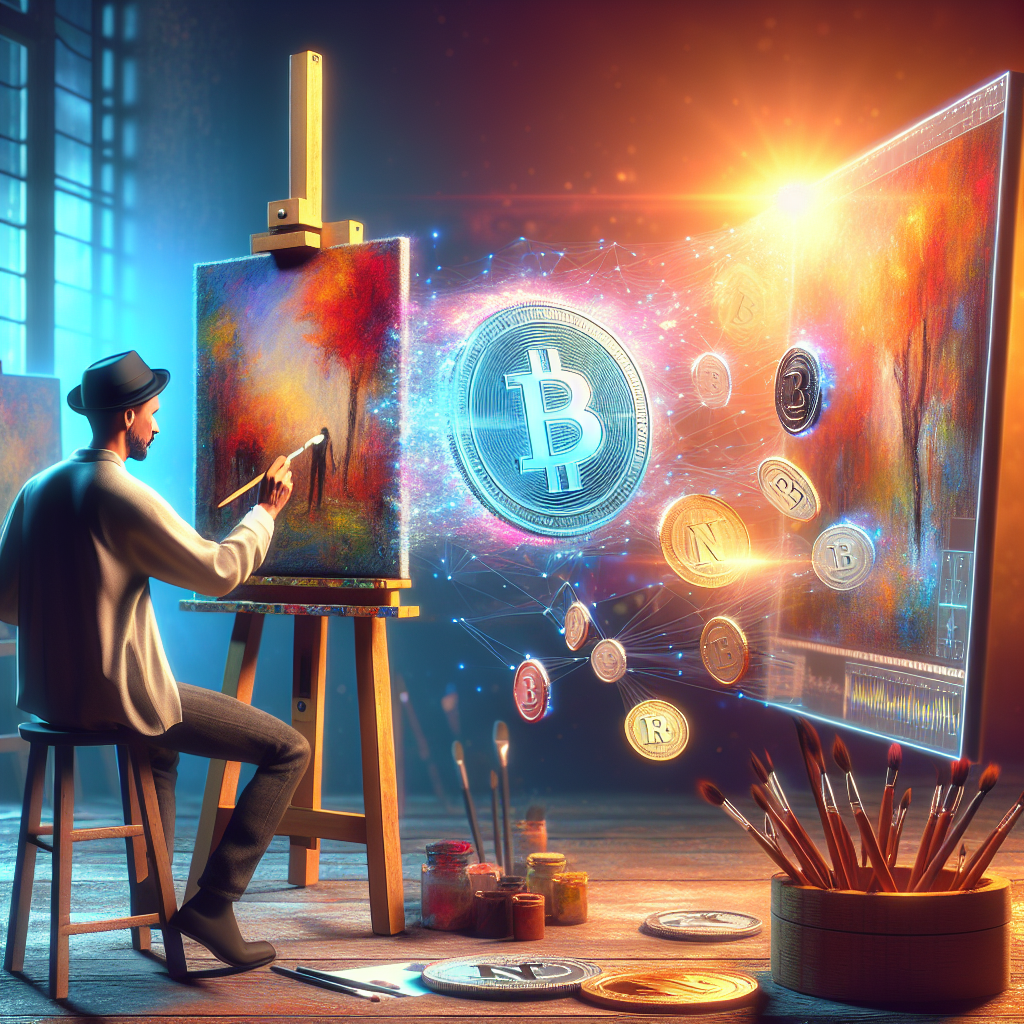
In recent years, Non-Fungible Tokens (NFTs) have revolutionized the art world, offering a new dynamic for artists and creators to monetize their work. Defined as unique digital assets that verify ownership using blockchain technology, NFTs represent a paradigm shift in how art is created, sold, and distributed. This article delves into how artists are utilizing NFTs to achieve financial independence, the challenges they face, and the innovative strategies they employ.
Understanding NFTs in the Art World
NFTs allow artists to tokenize their digital work, creating a one-of-a-kind asset that can be bought and sold on various online marketplaces. Unlike traditional art, which can be easily replicated, the blockchain verifies the originality and ownership of each NFT, giving buyers confidence in their investment. Artists can sell various forms of digital art, including illustrations, music, videos, and even virtual real estate.
Financial Independence: A New Path for Creatives
Direct Sales and Commissions
One of the most significant advantages of NFTs is that artists can sell their creations directly to consumers, bypassing galleries and auction houses. This direct sales model allows artists to retain a more substantial portion of their earnings. Additionally, through smart contracts, artists can earn royalties on secondary sales, ensuring they benefit from the appreciation of their work over time.
Diversifying Income Streams
Many artists are now leveraging NFTs to diversify their income. Rather than relying solely on traditional sales, they can create limited editions of their work, exclusive access to behind-the-scenes content, or collaborations with other artists. This diversification not only increases revenue potential but also empowers artists to cultivate a loyal fan base.
Global Reach
The NFT marketplace is inherently global, allowing artists to reach audiences far beyond their local communities. This accessibility enhances an artist’s visibility and opens up opportunities for collaboration with international brands, musicians, and other creatives. By embracing NFTs, artists can tap into a global economy that was previously out of reach.
Challenges in the NFT Space
Despite the advantages, the NFT landscape also presents challenges. The initial setup costs, including minting fees and platform commissions, can be prohibitive for emerging artists. Additionally, the environmental impact of blockchain technology raises ethical concerns for many creators. Artists must weigh these factors and plan their entry into the NFT space carefully.
Success Stories: Artists Making Waves
Beeple
One of the most famous success stories in the NFT world is artist Beeple, whose digital collage "Everydays: The First 5000 Days" sold for a staggering $69 million at Christie’s auction house. This sale not only catapulted Beeple to fame but also demonstrated the financial potential of NFTs for digital artists globally.
Pak
Another influential artist, Pak, has made headlines with innovative approaches to selling NFTs. Through projects like "The Merge," Pak redefined how art can be experienced by allowing collectors to acquire "mass" that could then be merged into their unique pieces. Pak’s work has sold for millions, showcasing the boundless creativity in the NFT space.
Conclusion: The Future of Art and Financial Independence
As the digital landscape continues to evolve, NFTs represent a transformative opportunity for artists seeking financial independence. With the ability to sell directly to collectors, earn royalties, and access a global market, creatives are finding new ways to sustain their livelihoods. However, as the NFT ecosystem matures, ethical considerations regarding environmental impact and market volatility must be addressed.
The future of art in the NFT arena is bright, and it invites artists to explore new horizons. By embracing this innovative technology, creatives have the potential not only to carve out a sustainable financial path but also to redefine what art means in the digital age. As we move forward, the question remains: how will you leverage NFTs to shape your own creative journey?


