

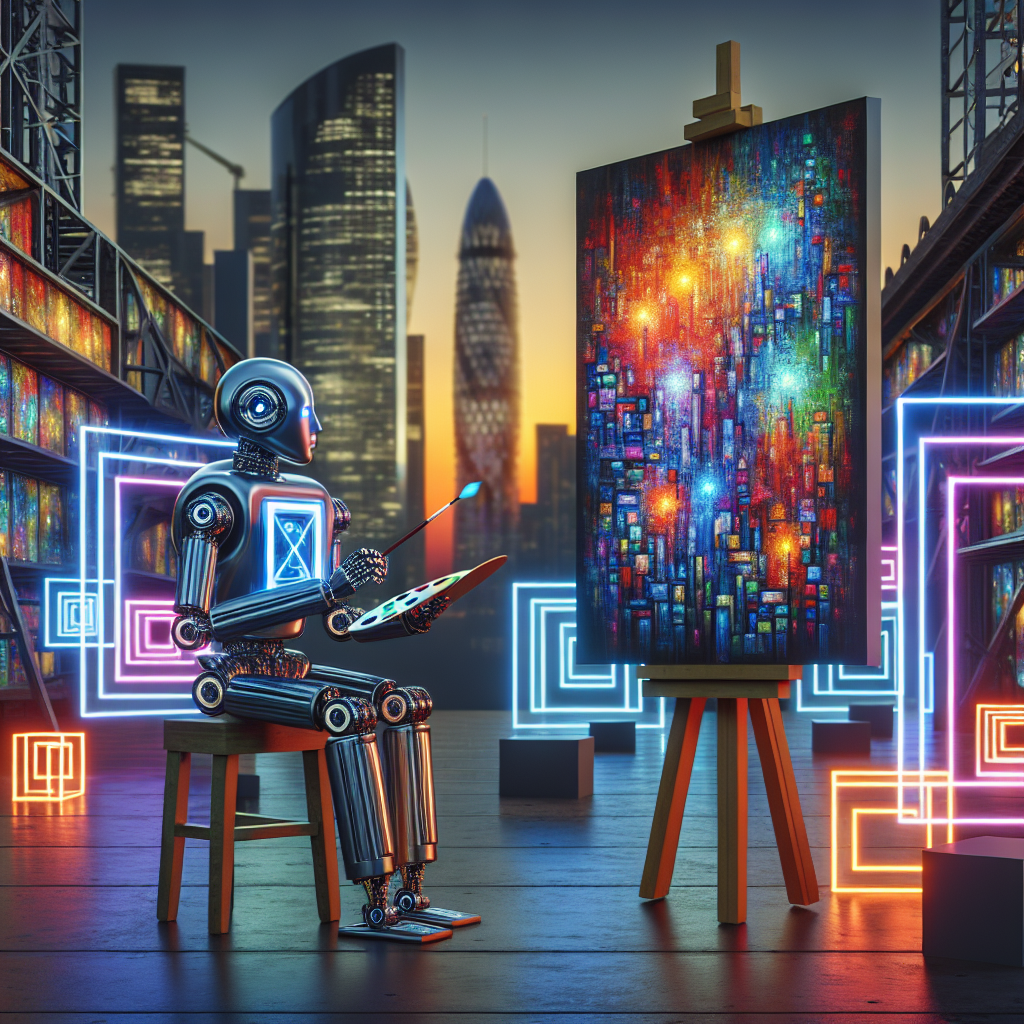
In an age where technology permeates every facet of our lives, the intersection of art and automation is not merely a trend but a profound transformation reshaping creative expression. The incorporation of artificial intelligence (AI) into artistic installations has opened new avenues for creativity, challenging traditional notions of authorship, creativity, and the role of the artist.
The Emergence of AI in Art
Artificial intelligence has made significant strides in its capacity to process data, recognize patterns, and generate outcomes that mimic human expression. Artists are increasingly collaborating with technology, utilizing AI algorithms to generate visual art, compose music, and create immersive experiences. This phenomenon raises intriguing questions about the nature of creativity. Can a machine truly be creative, or is it merely emulating human creativity based on patterns and inputs?
Generative Art
Generative art, where algorithms create visual art, is a prime example of this fusion. Programs like DALL-E and DeepArt use neural networks to analyze existing artworks and generate new pieces based on learned styles and subjects. Artists like Refik Anadol and Sofia Crespo have embraced these tools to create stunning installations that reflect the chaotic beauty of algorithms interacting with artistic concepts.
Interactive Installations
AI also enables interactive installations that respond to viewers in real-time. For example, installations might utilize computer vision to analyze the emotions of participants, changing visual elements, sounds, or even the narrative according to their reactions. The immersive environments can create a dialogue between the viewer and the artwork, making the experience deeply personal and unique.
Redefining the Role of the Artist
The integration of AI in artistic creation necessitates a reevaluation of the artist’s role. Traditionally, artists have been seen as the sole creators of their works, responsible for every brushstroke, note, or line of code. However, in a world where AI can generate complete artworks, the artist’s role shifts from creator to curator and facilitator. They become collaborators with machines, guiding and refining outputs to align with their vision.
This evolution is not without controversy. Many traditionalists argue that art created by algorithms lacks the emotional depth and intent that human artists imbue in their work. However, proponents argue that the use of AI introduces new forms of expression, allowing artists to explore uncharted territories. The layering of human creativity with machine-learning capabilities can lead to outcomes that neither could achieve alone.
Ethical Considerations
As AI continues to influence creative practices, ethical considerations arise around originality and ownership. Who owns artwork created by an algorithm? Is it the artist, the programmer, or the AI itself? The lines of authorship are blurred, leading to debates regarding copyright and intellectual property in the digital age.
Furthermore, reliance on AI raises concerns about the potential commodification of art. With algorithms generating art at scale, the very nature of uniqueness and exclusivity in art could be challenged. Artists and institutions must navigate these dilemmas as they embrace AI technologies.
The Future of AI in Creative Installations
Looking ahead, the future of AI in art and creative installations promises even greater integration and innovation. As AI technology evolves, so too does the potential for richer, more complex interactions in artistic experiences. We may witness the emergence of entirely new genres of art that fuse physical and digital realms, blurring the boundaries of perception and reality.
Additionally, with advancements in machine learning and neural networks, the capability of AI to understand and generate nuanced artistic expressions is likely to grow, leading to even more sophisticated collaborations between humans and machines.
Conclusion
The intersection of art and automation represents a dynamic fusion reshaping how we perceive creativity and artistic expression. As AI continues to stir the creative pot, artists and technologists alike are invited to explore unimaginable possibilities, challenging us to reconsider our definitions of art and imagination. As we embrace this brave new world of creativity, one thing remains certain: art and AI are partners in an ongoing dialogue—one that will forever change the landscape of artistic expression.


