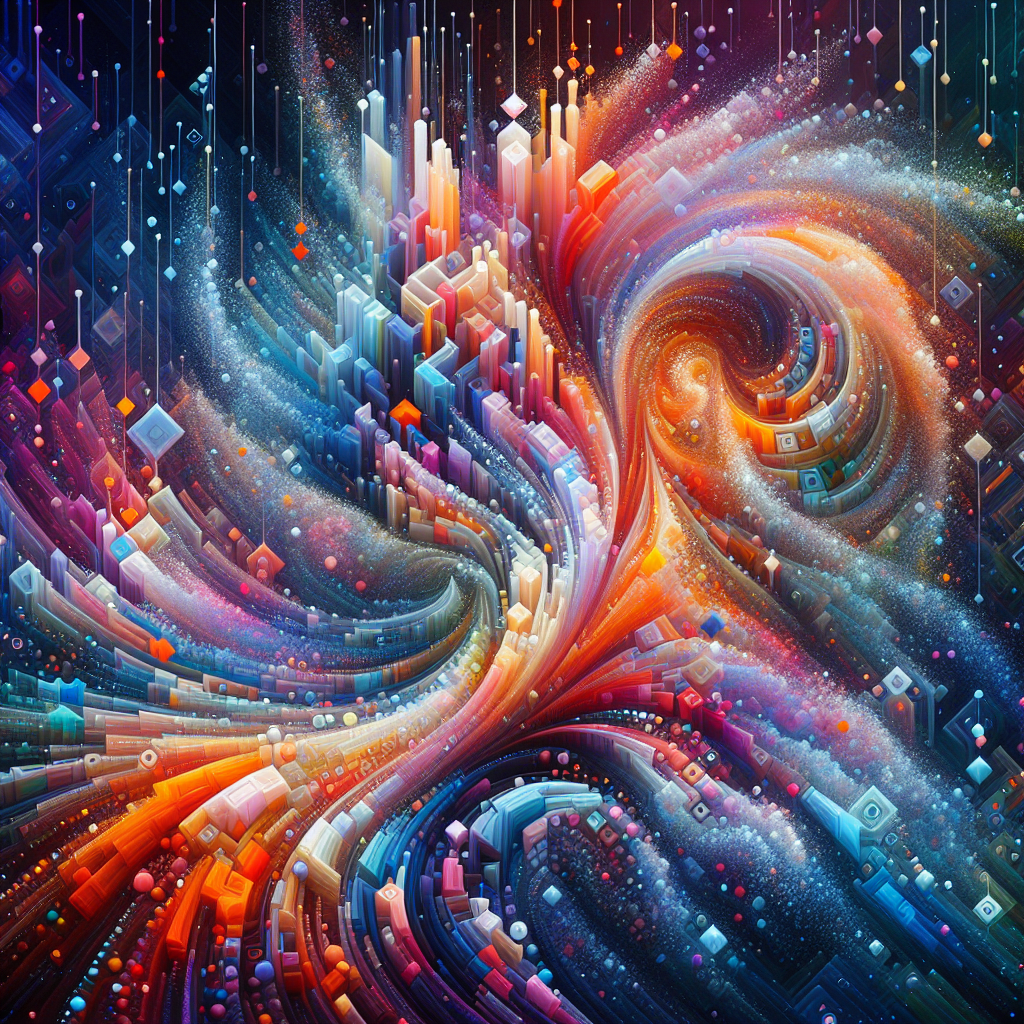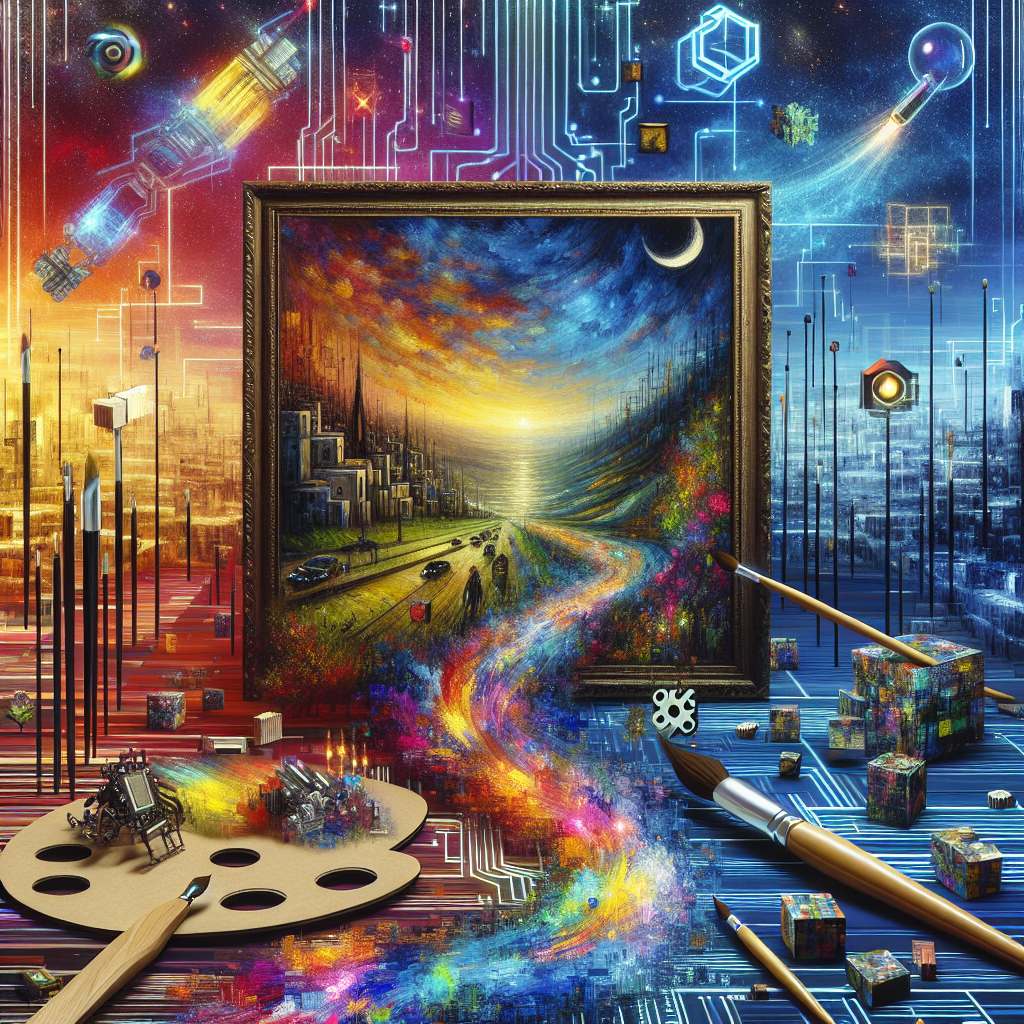
As we step into 2025, the intersection of art and technology continues to redefine the very fabric of creativity. The rise of AI, immersive experiences, and data-driven design has ushered in a new era in which artists are not merely creators but collaborators with machines. This fusion, aptly termed “Tech Art,” is reshaping the artistic landscape, giving rise to innovations that are both exciting and thought-provoking.
1. Artificial Intelligence as Co-Creator
The most significant development in tech art is the increasing incorporation of artificial intelligence in the creative process. In 2025, artists are using advanced machine learning algorithms to generate artwork, compose music, and even write poetry.
AI tools like DALL-E and MuseNet are democratizing creative expression, allowing individuals without traditional artistic training to produce stunning visuals and evocative soundscapes. Artists are now able to engage in a dialogue with AI, refining and iterating ideas, leading to a collaborative practice that challenges conventional notions of authorship and originality.
Case Study: AI Art Collectives
Collaborative art collectives, such as "Deep Art," are leading the way in AI-generated content. By pooling their resources, they leverage machine learning models that analyze thousands of art styles to generate unique pieces. This collective approach not only broadens the spectrum of creativity but raises critical questions about the role of the artist in an age of algorithmic production.
2. Immersive Experiences: VR and AR
Virtual Reality (VR) and Augmented Reality (AR) have become indispensable tools for artists in 2025. These technologies allow for the creation of immersive experiences that engage audiences in two-dimensional spaces and beyond.
Art installations are being reimagined, with VR exhibitions providing a fully immersive digital environment where viewers can interact with the artwork in real-time. Meanwhile, AR applications enable users to visualize art in their own spaces, creating a personalized and participatory engagement.
Highlight: The Metaverse Gallery
In 2025, Metaverse-powered galleries showcase works that exist solely in digital space. Artists create multi-sensory experiences that attendees can explore from anywhere in the world. These galleries not only expand the audience base but also encourage diverse forms of participation, blurring the lines between artist and viewer.
3. Data-Driven Art
Data has become a new medium in its own right. Artists are harnessing big data to explore social, environmental, and political themes. Using algorithms to process and visualize complex datasets, these creators form a narrative that challenges the viewer’s perception of reality.
Example: Climate Change Visualizations
In response to the growing urgency of climate change, artists are creating pieces that translate climate data into visual formats, turning statistics into compelling narratives. These art pieces serve not only as aesthetic experiences but also as powerful activism tools, urging viewers to reflect on the pressing issues facing our planet.
4. Blockchain and NFTs: A New Frontier
The rise of Blockchain technology has transformed how art is bought, sold, and owned. In 2025, Non-Fungible Tokens (NFTs) play a pivotal role in the ownership and provenance of digital art. Artists can now tokenize their works, ensuring authenticity and providing a revenue stream that bypasses traditional galleries and auction houses.
Implications for Artists
With the ability to sell directly to consumers, artists retain more control over their work. Furthermore, the potential for royalties on secondary sales offers a sustainable financial model. However, the environmental impact of blockchain remains a contentious topic, pushing artists and collectors to seek eco-friendly alternatives.
5. Collaborative Platforms and Community Engagement
Innovations in collaborative platforms are fostering new communities of artists and art lovers. Social media and online forums enable creators to connect, share ideas, and collaborate on projects across geographical boundaries.
Community Initiatives
Art projects are increasingly collective, with individuals contributing their skills and perspectives from around the world. Initiatives like "Art for Change" leverage social platforms to mobilize artists towards social justice, cultural preservation, and community development.
Conclusion: The Future is Now
As we navigate through 2025, it’s clear that the convergence of art and technology is reshaping our understanding of creativity. The innovations in AI, VR/AR, data visualization, blockchain, and collaborative platforms not only enhance artistic expression but also challenge the traditional paradigms of artistry, ownership, and community engagement.
In this dynamic landscape, artists are redefining their roles—embracing technology not as a replacement for human creativity, but as an ally that expands the horizons of what art can be. As we look ahead, the question remains: how will this ongoing dialogue between art and algorithm continue to evolve, and what new forms of expression will emerge? The future of tech art promises to be as unpredictable as it is thrilling, inviting us all to explore the endless possibilities that lie at the intersection of creativity and technology.