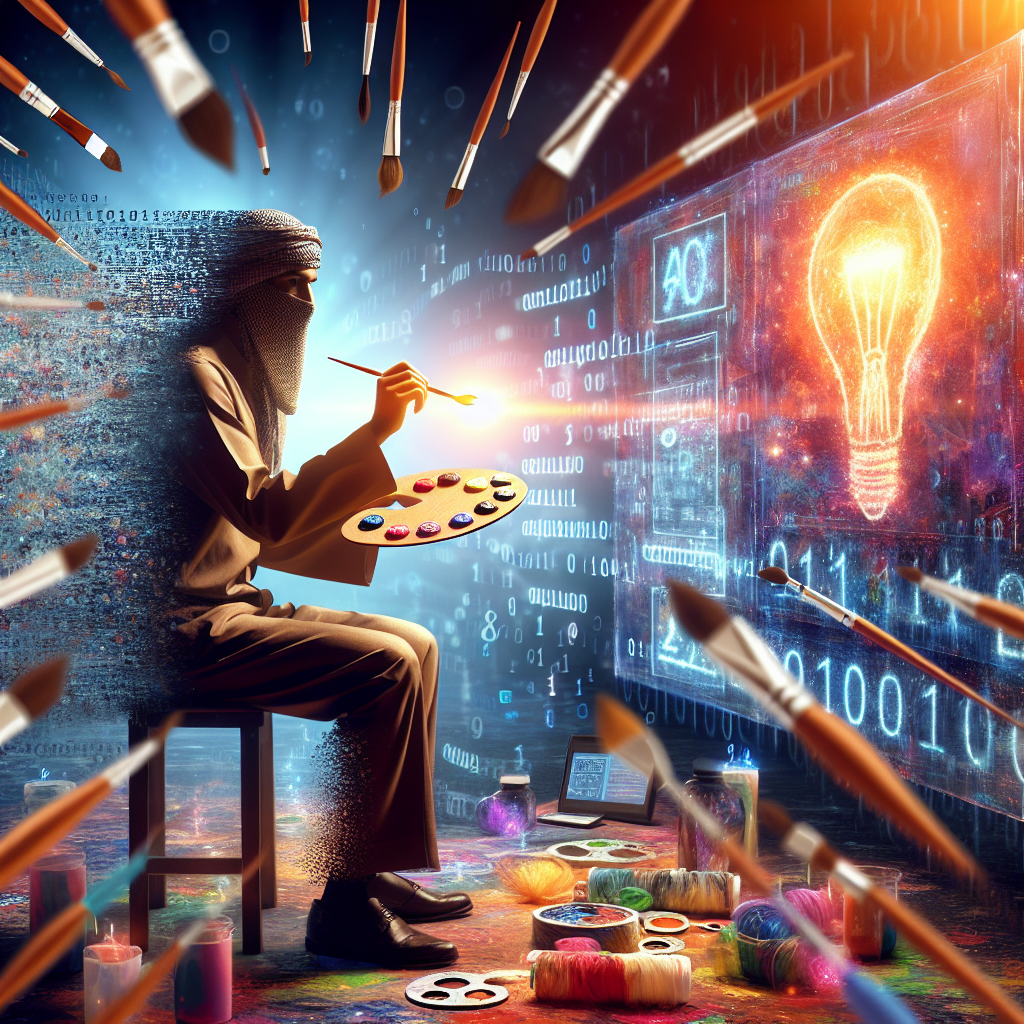
The intersection of art and technology has always thrived on innovation, and in recent years, the rise of artificial intelligence (AI) has marked a significant shift in the creative landscape. Digital artists are increasingly integrating AI tools into their workflows, transforming the ways they conceive, create, and present their art. This article explores how AI is reshaping creative expression and the opportunities it presents for artists.
The Rise of AI in Art
AI technologies have advanced remarkably, enabling machines to grasp and generate complex visual patterns. Tools such as generative adversarial networks (GANs) and neural networks allow artists to create unique pieces that blend various styles and aesthetics. These technologies aren’t replacing artists; instead, they serve as collaborators, expanding the creative possibilities available to human creators.
Generative Art: A New Frontier
Generative art is a prominent example of AI-assisted creativity. By inputting parameters and feeding algorithms vast datasets of images, artists can generate artwork that is often unexpected and exhilarating. Programs like DALL-E and Midjourney have popularized the creation of unique images from textual prompts, allowing artists to explore visual concepts rapidly and iterate on them easily. For instance, an artist can experiment with different styles by simply adjusting the parameters or descriptions they provide to the AI.
Personalized Creative Process
AI tools can learn an artist’s preferences and styles over time, tailoring suggestions and generating pieces that reflect individual aesthetics. This personalization can streamline the creative process, enabling artists to focus on ideation and refinement rather than repetitive tasks. Software like Adobe Sensei enhances user experience by automating mundane tasks, allowing creators to reclaim valuable time for experimentation.
Collaboration with AI as Co-Creator
Many artists view AI not just as a tool but as a co-creator. Collaborative projects between humans and machines can yield fresh perspectives and innovative results. Artists like Refik Anadol and Mario Klingemann have gained recognition for their work that merges human intuition with machine learning processes. Such collaborations highlight a new paradigm where creativity is a shared experience, enhancing artistic expression rather than diminishing it.
Challenges and Ethical Considerations
The integration of AI into the creative field does raise important questions, particularly concerning authorship and copyright. As the lines between human and machine-generated content blur, discussions around intellectual property are more relevant than ever. Who owns the rights to a piece created with AI? And how should we value human creativity compared to machine-generated art?
Moreover, there is a concern that reliance on AI tools might stifle originality. While technology can inspire and augment creativity, a dependency on AI for artistic output may lead to homogenization of styles and concepts.
The Future of AI-Assisted Creativity
The future of AI in art appears bright, with evolving tools and technologies set to enhance artistic capabilities. As AI becomes more sophisticated, we can expect to see even more nuanced collaborations that challenge traditional notions of artistry. Artists may also leverage AI to explore complex themes, societal issues, and emotions in ways previously unattainable.
Community and Education
As artists adopt these technologies, communities are also forming around AI-assisted creativity. Online platforms, forums, and workshops encourage collaboration and the sharing of techniques, allowing artists to learn from one another. Educational institutions are beginning to integrate AI into their curriculums, preparing the next generation of artists to navigate and innovate within this evolving digital landscape.
Conclusion
AI-assisted creativity is transforming the artistic process, providing digital artists with unprecedented tools for exploration and innovation. While the collaboration between humans and machines presents challenges, it also opens up a world of possibilities. Ultimately, AI serves not as a replacement for human artistry but as an exciting partner in the ongoing evolution of creative expression. As this technology continues to develop, the future of digital art promises to be as diverse and dynamic as the artists who embrace it.