

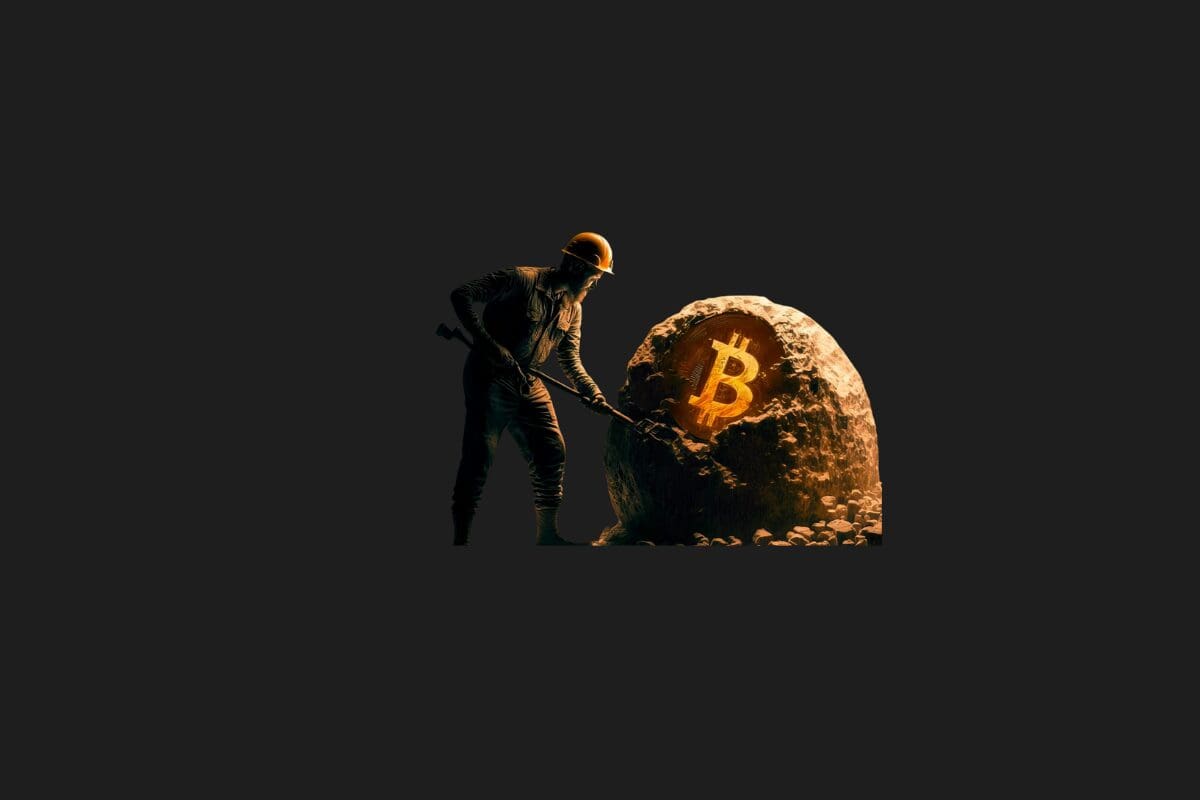
I’ve always been a massive advocate for the revolutionary technology behind blockchain. But let’s be real—sometimes you come across data that forces you to step back and question the mechanics of the systems we are building. While researching the latest infrastructure reports, I stumbled upon a study published in the PNAS Nexus journal, and the numbers are genuinely staggering.
We all know Bitcoin uses a lot of electricity, but the conversation usually stops there. What nobody is talking about is the pure, unadulterated waste built into the system. We aren’t just consuming power; we are literally throwing it away.
Here is my breakdown of why Bitcoin’s current mining race is leaking energy at an alarming rate, and why the growing monopoly in the sector should have us all worried.
The “Accidental Fork” Dilemma

To understand the scale of this waste, we have to look at how the Bitcoin network operates under the hood. Miners are in a relentless, global race to solve complex digital puzzles to validate blocks.
Because the financial stakes are so incredibly high, the margin for winning this race has shrunk down to fractions of a second. This extreme competition triggers what experts call “accidental forks.”
The Collision: Multiple miners frequently solve the puzzle at the exact same millisecond, creating parallel blocks.The Discard: The network eventually accepts only one of these blocks as valid, rewarding that specific miner.The Waste: The competing blocks are orphaned and deleted. Every single watt of electricity and computational power used to generate those losing blocks evaporates into thin air.
This isn’t a minor system bug; it’s a foundational inefficiency in the Proof-of-Work protocol. The research indicates that this specific flaw results in 16,000 megawatts of wasted energy. To put that into perspective, that discarded energy is equal to the total output of all 701 hydroelectric power plants in Switzerland.
And remember, that is just the wasted energy. Bitcoin’s total annual consumption sits around 138 terawatt-hours—more than the entire yearly electricity demands of developed nations like Norway or the Netherlands.
The Illusion of Decentralization

Beyond the environmental footprint, there is a structural issue here that directly threatens the core philosophy of Web3: Centralization.
As the hardware required to compete becomes more expensive and power-hungry, smaller independent miners are being pushed out of the game. What we are left with is an oligopoly. Right now, just three major mining pools control over 50% of all newly produced blocks.
This extreme concentration of power terrifies me. When three entities control the majority of the network’s hash rate, the network is vulnerable:
Censorship: These mega-pools have the power to arbitrarily delay or ignore specific transactions.Security Risks: It opens the door dangerously wide for a 51% attack, where bad actors could potentially rewrite the blockchain or double-spend coins.
We championed Bitcoin because it promised a decentralized financial future. Seeing it dominated by a few massive server farms feels like we are just replacing Wall Street banks with Silicon Valley mining pools.

It’s easy to focus solely on electricity, but the environmental toll goes deeper. These massive data centers generate enough heat to melt their own components, meaning they require aggressive, continuous cooling systems.
A 2023 report from the United Nations highlighted a deeply sobering fact about the crypto ecosystem’s water consumption. In 2021 alone, the freshwater used strictly to cool Bitcoin mining equipment exceeded the domestic water needs of 300 million people living in rural Sub-Saharan Africa.
When we evaluate the “cost” of digital assets, we have to look at the physical resources required to maintain them. As the financial value of the network grows, the incentive to build even larger, more resource-hungry data centers will only increase.
Where Do We Go From Here?
I am not saying Bitcoin is doomed, but we cannot ignore the physical limits of our planet. The blockchain community is full of brilliant minds, and if we want this ecosystem to survive long-term, we need to push for sustainable infrastructure and seriously evaluate alternatives to the current Proof-of-Work model. The innovation shouldn’t just be in the code; it needs to be in how we power it.
I want to hear from you. Do you think Bitcoin’s immense resource consumption is a justified price to pay for a secure, decentralized financial network, or do you think the protocol needs a massive overhaul to survive the next decade? Drop your thoughts below—let’s discuss.


