


Dungeons and Dragons has seen a major resurgence in recent years, thanks to its recent mentions in famous pop culture IPs like Critical Role and Stranger Things. But if there’s one thing that’s helped D&D become more accessible to wider audiences, it’s Baldur’s Gate 3, which showed that you can translate the Tabletop RPG’s mechanics into a fun video game, and emulate that classic campaign experience with friends.
In a recent podcast with The Game Business, Dungeons and Dragons developer Hasbro confirmed that it is now spending $1 billion USD towards single-player Dungeons and Dragons games. Which is great news if you’re a fan of the genre, but also one that comes with a fair amount of skepticism.
Related
10 Reasons Baldur’s Gate 3 Still Feels Like the New Standard for Modern RPGs
Baldur’s Gate 3 launched back in 2023, but it set a standard for modern RPGs that no other company has come close to matching, even years later.
It’s hard to deny that Larian’s 2023 release was lightning in a bottle, and given that the studio surprisingly reversed their decision to work on any follow-up DLC, several speculated this was due to Hasbro and Wizard of the Coast’s involvement with the license. Larian director Swen Vincke would deny this speculation weeks afterward, but fans have been quick to mine any statements made by the two to keep the drama here alive.
With that in mind, I’d like to suggest a few acclaimed RPG studios Hasbro should keep in mind when deciding to drop more than a billion bucks on single-player RPGs, how they can avoid common mistakes, and how to deliver on some truly stellar RPGs.
7
Larian Studios
Baldur’s Gate 3, Divinity: Original Sin
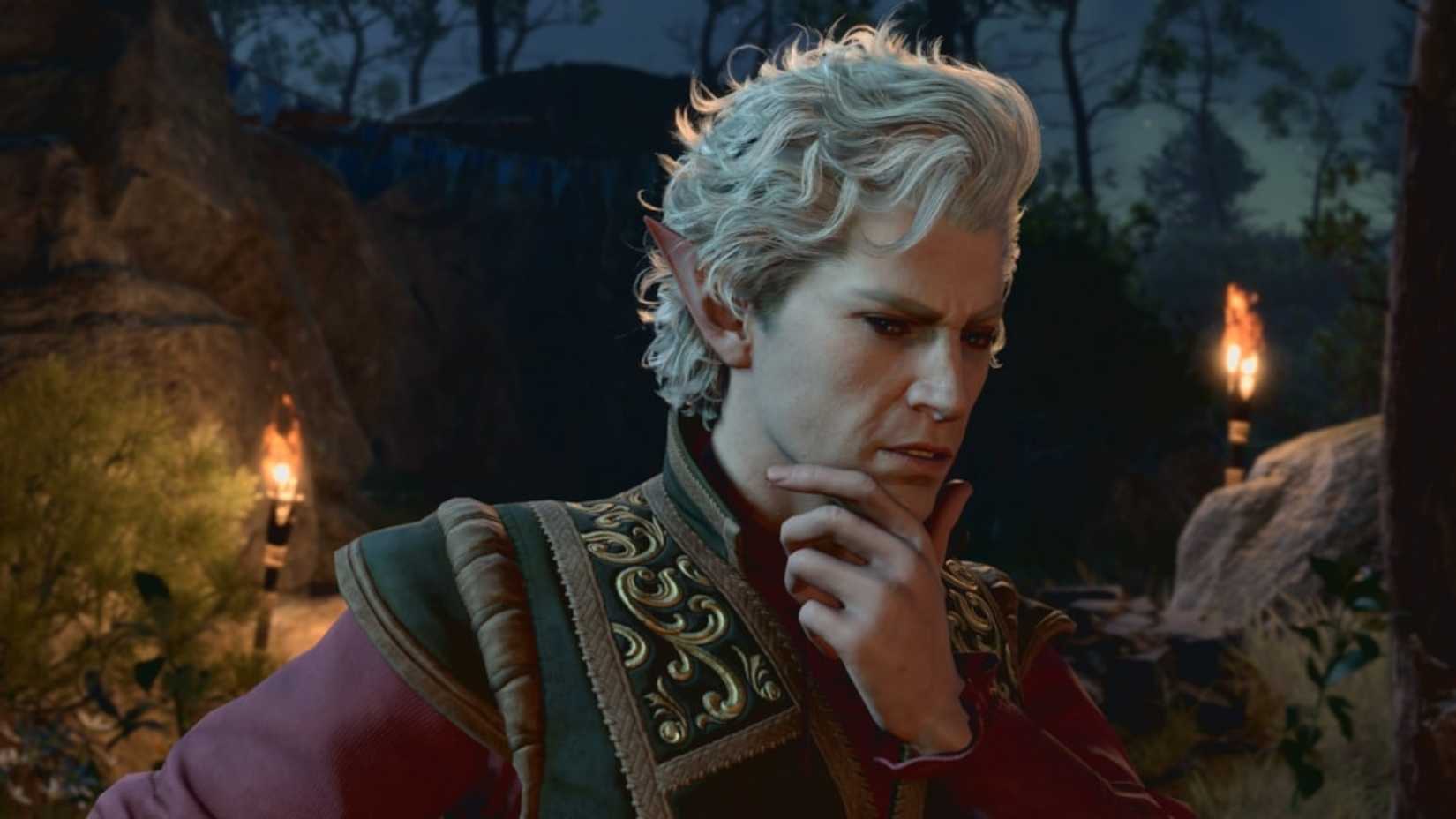
Of course, if Hasbro is going to look at any single-player RPG studio to model their own games off of, it’s a no-brainer that they’ll need to emulate Larian Studios’ success. Especially so if Hasbro are keen to spearhead a Baldur’s Gate 4 without the beloved developer.
If you were to ask anyone what aspect of Baldur’s Gate 3 stood out to players, it’s likely that player choice is going to be top bill here. Even Larian themselves would agree, as gameplay scripter Mihail Kostov said in an interview with PC Gamer, “We at Larian believe player creativity is great.” For that reason, the studio fully embraces that its players will do their best to find exploits and ways around certain scripted scenarios.
One need only look at voice actor Matt Mercer’s video where he quickly discovered he could manipulate barrels to break the game’s combat based off of his background in D&D. It’s Larian’s commitment to player-focused games that accommodate player chaos, and actively encourage it, that helps Baldur’s Gate 3 stay fresh on every run.
6
BioWare
Baldur’s Gate, Dragon Age, Mass Effect, and More
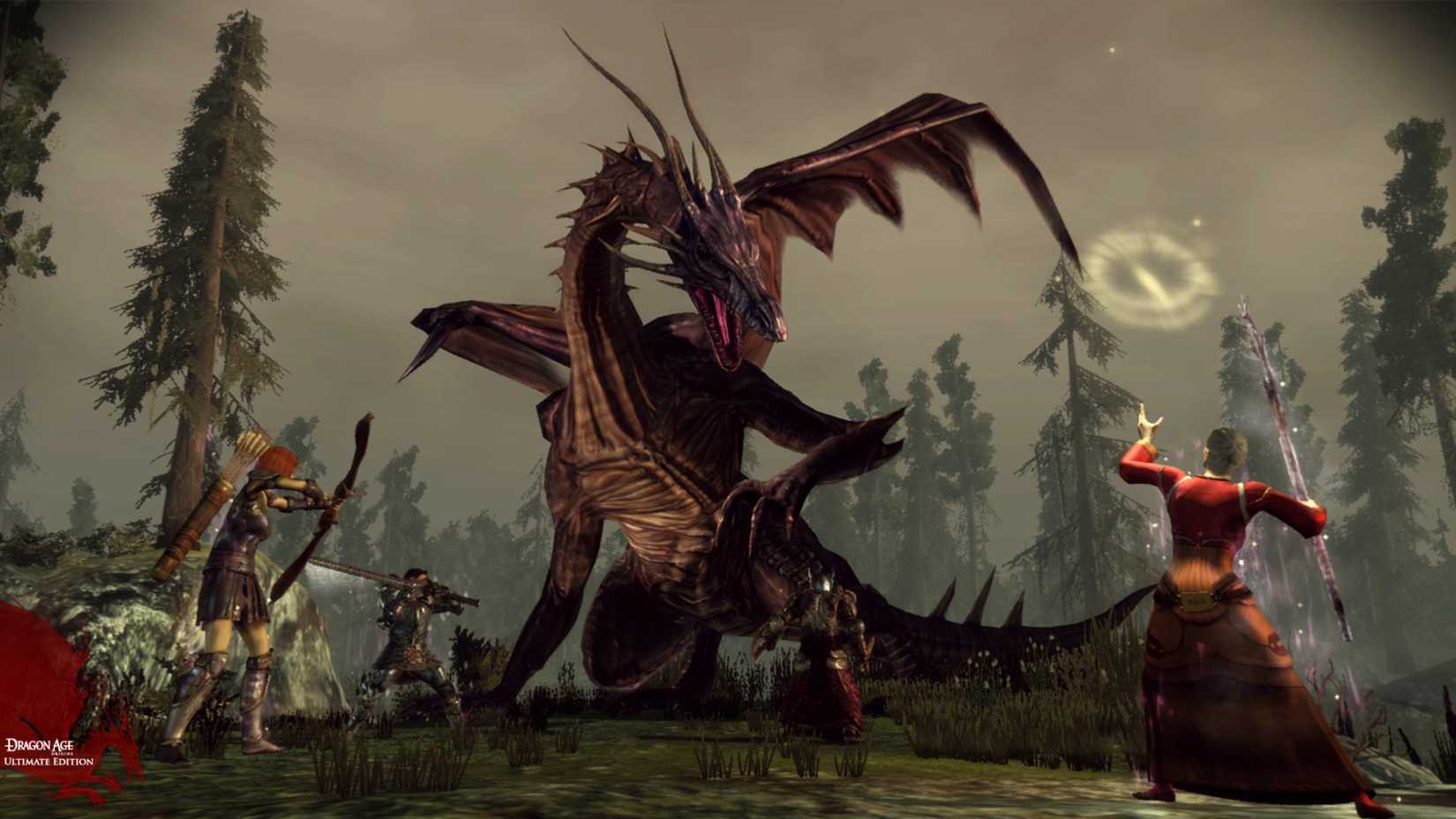
If you were to ask anyone who the quintessential RPG studio is, a majority would say BioWare, before traipsing off into a wistful nostalgia for the studio’s glory days.
In its heyday, the studio would release iconic RPGs like Star Wars: Knights of the Old Republic, Mass Effect, Dragon Age, and even Baldur’s Gate, defining RPG’s for an entire generation. It was the studio’s impressive ability to tell great stories and write lovable companions which would go on to be the baseline for all RPGs in the future.
Related
10 Best RPG World Maps
Between depth, aesthetics, and immersion, these spaces are a fundamental part of their works’ greatness.
Going back to Baldur’s Gate 3, BioWare’s DNA is all throughout the game, most notably, in how your companions are deeply woven into the story of the game, and connected to its major characters.
Over the years, BioWare has unfortunately lost its esteem, as its focus away from strong stories that allow for player agency, has resulted in some pretty underwhelming and cookie-cutter titles. I’d argue that Hasbro and its studios should use BioWare as a case study as to why a strong cast of companions is vital in any single-player RPG, and how losing sight of your core story-telling tenants can alienate your fanbase.
Lucky for Hasbro, Mark Darrah, a former producer on several classic Bioware games, frequently posts his thoughts and learning on his YouTube channel, explaining where BioWare shined, and where it fell short.
5
Bethesda
The Elder Scrolls & Fallout
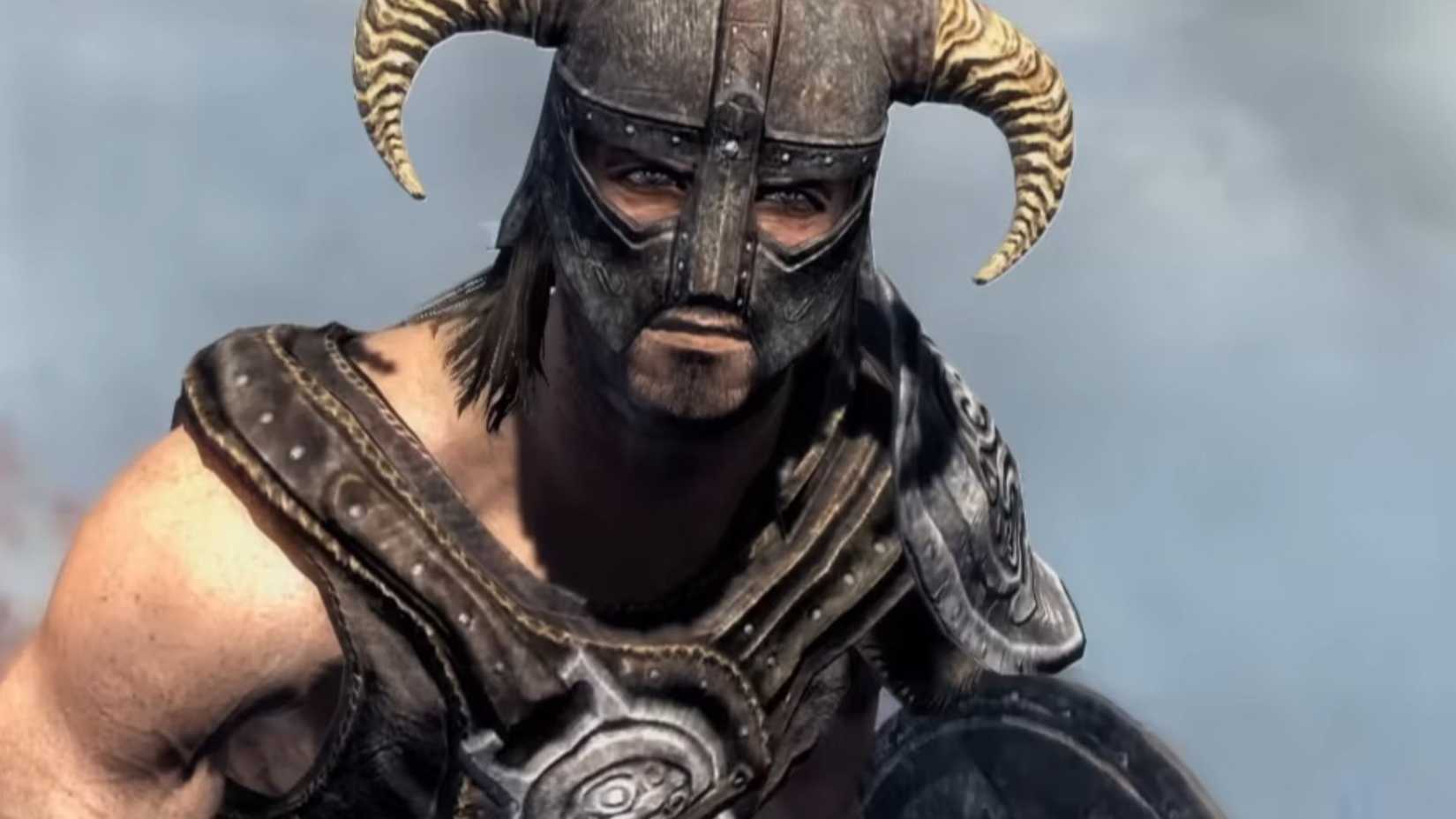
Bethesda is a rather infamous RPG studio nowadays, but there’s no denying that The Elder Scrolls V: Skyrim and Fallout are some of the most successful single-player RPG games of all time. I’d argue it’s because of a similar emphasis on player agency that Larian shared, although Bethesda decided to go a separate direction. Where Larian realized that players would try to break their games in creative ways, and actively accounted for it within the game’s story, Bethesda arguably chose to barely have a story at all.
In a keynote speech on game writing, Bethesda Design Director and lead writer Emil Pagliarulo would go on to explain why Bethesda’s stories aren’t exactly all that linear. He would go on to use a metaphor, describing the game as “the great American novel”, and that when given to players, instead of reading it, they’d “rip out every page and make paper airplanes”. He’d go on to say that most of their players usually don’t follow the main story as intended, so they’ve designed around a sandbox freedom, so players can ignore it without breaking the game.
This also leads to the game not really having any dramatic tension (did anyone really care about Alduin in Skyrim?), but because the team has designed around it, it’s able to account for a different kind of player that’s eager to take a more chaotic approach to their playthrough.
It’s a quote that’s still mixed, as Baldur’s Gate 3, in my opinion, directly proves you can have a game that fully embraces player chaos, while also getting people invested in your main story. Of course, these are two very different games, but if Hasbro is eyeing which single-player video game to emulate, they’ll need to interrogate how they want players to interact with their main story scenario, and how that might receive pushback from players in unexpected ways.
4
CD Projekt Red
The Witcher 3 & Cyberpunk 2077
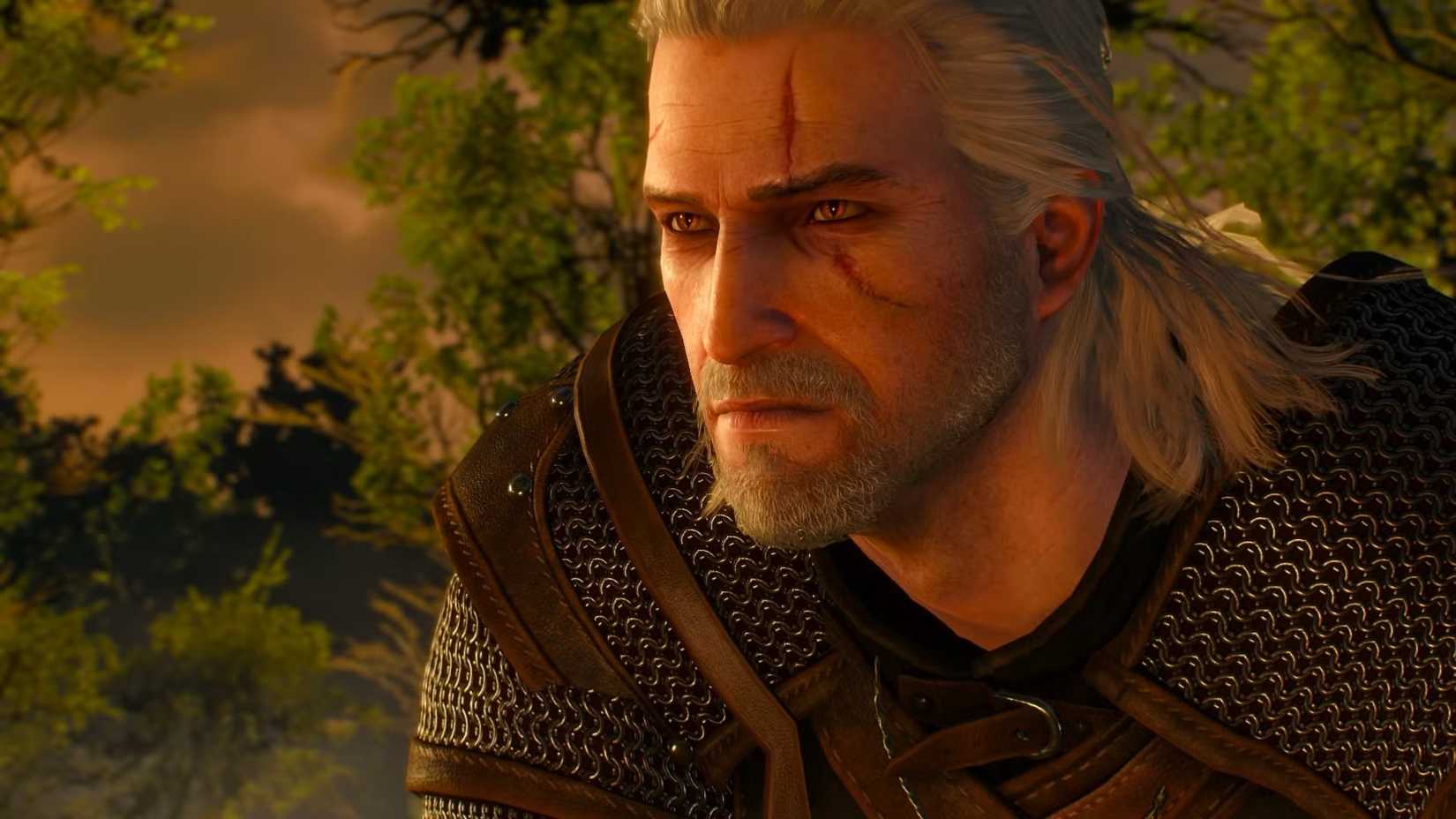
Before Baldur’s Gate 3 released, The Witcher 3 was seen as the ultimate RPG by a majority of gamers. Unlike Skyrim, CD Projekt Red were able to craft an impressive open-world RPG with a stellar main story that could hook players in, and offer several memorable moments, even if players decided to play Gwent for 20 hours before resuming their quest to find Ciri.
A key choice here is that the game provides the player with several in-character reasons as to why they might deviate from the main story. It’s handled fairly comedically, with characters casually noting that you’re simply keeping your Witcher senses sharp through side contracts (or, again, 20 hours of losing all your crowns playing Gwent).
Related
10 Early Game Decisions That Shape Your Entire Playthrough
The butterfly effect in effect.
The main story will also point the players towards new areas, and will gate them off from locations that are too tough to handle just yet by simply showing off a large level difference. It’s this build up of subtle suggestions that players should follow the primary path laid out before them, and the reminders of their urgent quest, that helps guide them back to the game’s main narrative, all the while giving players a rational explanation for when to indulge in a few too many side activities.
But this is all nice to have next to the game’s impeccable writing, which is really what makes or breaks an RPG. Every quest in The Witcher 3 feels emotionally meaningful, and never feels thrown into the game just to keep keys dangling in front of your face. It’s something Baldur’s Gate 3 nails as well, with most side quests feeding into one another later on, making completing them feel valuable, even on your hundredth playthrough.
3
Obsidian
Avowed, Outer Worlds, Pillars of Eternity
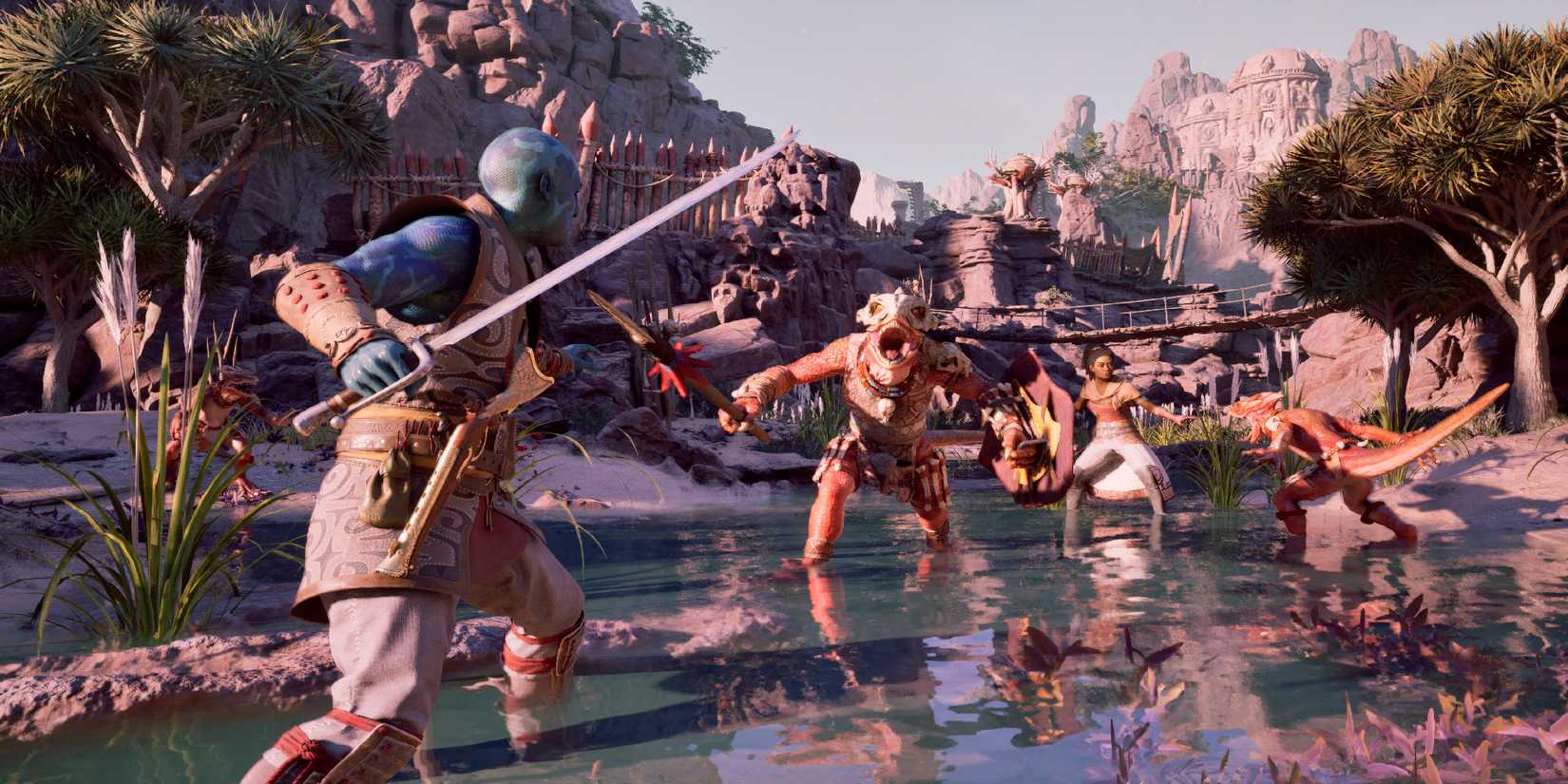
Obsidian have been making fantastic RPG’s for years now, and have remained cult favorites among gamers. After knocking it out of the park with games like Star Wars: Knights of the Old Republic 2, Fallout: New Vegas, Pentiment, and more, the studio has earned a bunch of goodwill, and cemented themselves as one of the all-time great RPG makers.
In saying that, the studio has been in a bit of a slump in recent years. Despite Microsoft’s strong financial backing, the studio’s most recent releases in Avowed and the Outer Worlds franchise have struggled to pick up steam. Laying my bias on the table, I enjoyed Avowed, and understood that it was aiming to bring the Pillars of Eternity universe to a new audience through a pseudo-Skyrim-like play style.
Unfortunately, this move somewhat neutered a lot of what fans really enjoyed about the Obsidian games, which was its mature storytelling that explored different political or philosophical debates.
The Outer Worlds is another example of this, where the developers sought to expand on what everyone loved about Fallout: New Vegas, but in their approach to make it more broadly appealing, it softened what made those games special and attracted its passionate fanbase to begin with. It’s sad that neither game managed to land with audiences, which goes to show that strong financial backing (even $1 billion) is not enough for a surefire success.
Once again, Hasbro has a useful case study here for the inevitable Baldur’s Gate 4, and how making your RPG experience more broadly appealing can actually result in alienating your core fanbase, and damaging your brand’s reputation.
2
Warhorse Studios
Kingdom Come: Deliverance & Unnamed Lord of the Rings Game
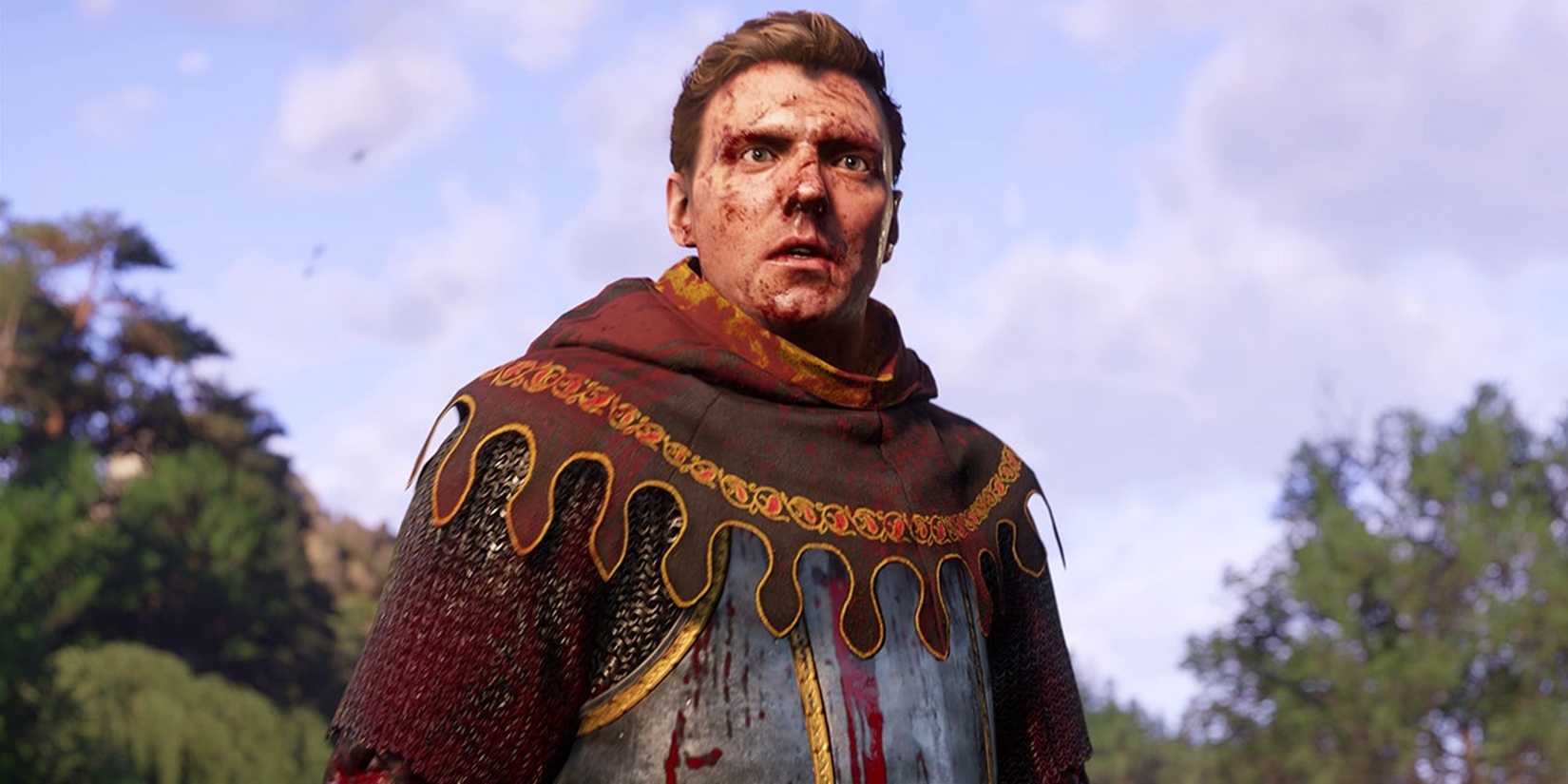
Warhorse Studios are rather recent darlings within the industry, and it’s thanks to their uncompromising vision in delivering a true RPG experience within a grounded medieval setting. Where Baldur’s Gate 3 delivered on the fantasy of playing a D&D campaign with your friends (and a very good dungeon master), Kingdom Come: Deliverance is closer to hardcore LARPing, and I mean that in a positive way. The game goes out of its way to create a faithful simulation of what living in the 14th century would actually look like.
Your protagonist, Henry, is the most common of folk. He’s dimwitted, can barely fight with a sword, and can barely speak his own language well due to being uneducated, as most people were back in that setting. As you play, you’ll be able to train Henry in these skills we often take for granted in our roleplaying games.

Related
10 Amazing Games That Actually Lived Up To Their Hype
From critically acclaimed RPGs to renowned first-person shooters, these games delivered on their long-awaited anticipation with stellar experiences.
After delivering an even better sequel with Kingdom Come: Deliverance 2, Warhorse Studios has been tapped to make a new open-world RPG in the Lord of the Rings universe, which could be a major competitor for Hasbro’s future single-player RPGs in the future.
If Hasbro can take one thing from Warhorse Studios success, it’s that gamers are passionate about roleplaying, and the different kinds of roleplaying available, be it at a table with your friends rolling dice, or out in a field rooting for knights to slap each other with swords. If you respect your playerbase, and give them a powerful roleplaying experience, they’ll turn up for your game.
1
ZA/UM Games
Disco Elysium & Zero Parades: For Dead Spies
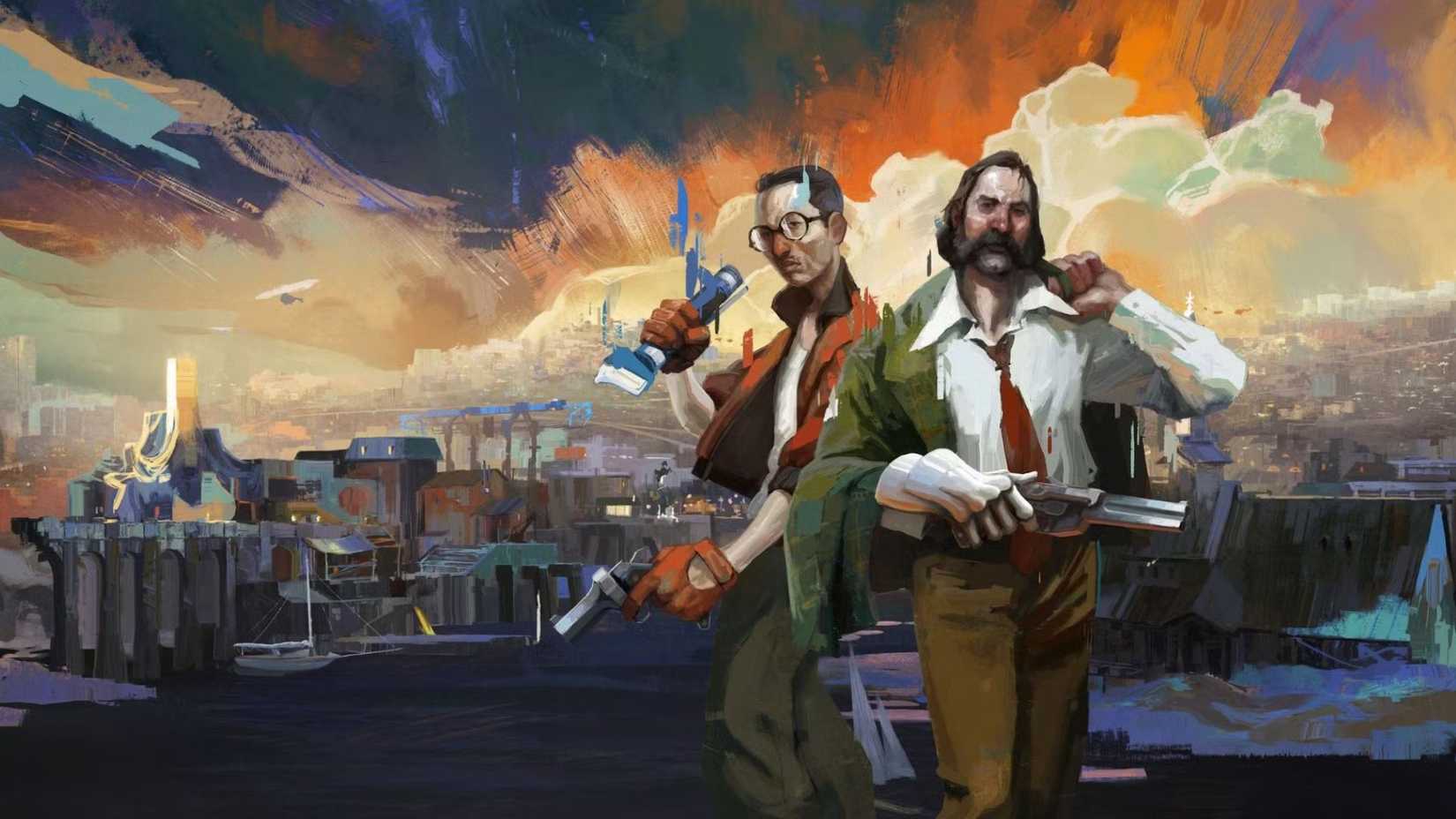
Up until last week, I wouldn’t have considered ZA/UM Games as a candidate here. Yes, their landmark game, Disco Elysium, uses a similar dice roll mechanic as Baldur’s Gate 3, yet the two games couldn’t be further apart. Still, I believe Hasbro, and whichever studio they select to make the fourth Baldur’s Gate game will be more symbolically aligned than we think.
Following the release of Disco Elysium, ZA/UM and several lead developers at the studio would have a dramatic falling out, putting the series in limbo, and dashing the hopes of fans looking forward to a sequel. Following this split, the developers would go off to make their own studios, while ZA/UM would work on its next game, Zero Parades: For Dead Spies.
The game released earlier this month, and has surprisingly defied the expectations that the studio was no longer able to create a powerful RPG experience, with a bold art style and insightful, political and philosophical writing.
While the conditions for a sequel to Baldur’s Gate 3 are wildly different (and involve fewer lawsuits), speaking anecdotally, the enthusiasm from fans that Hasbro will be the ones to deliver on a successor to Baldur’s Gate 3 doesn’t quite seem to be there, and is an idea fans are cautious of. Zero Parades seems to have revitalized fans’ trust in ZA/UM Studios, and Hasbro would be wise to look into how the studio built itself back up, and created a worthy successor amidst all the turmoil that was happening behind the scenes.
Next
10 Best CRPGs of All Time
The genre has made an epic resurgence thanks to mainstream booms like Baldur’s Gate 3 and Pillars of Eternity 2.


