

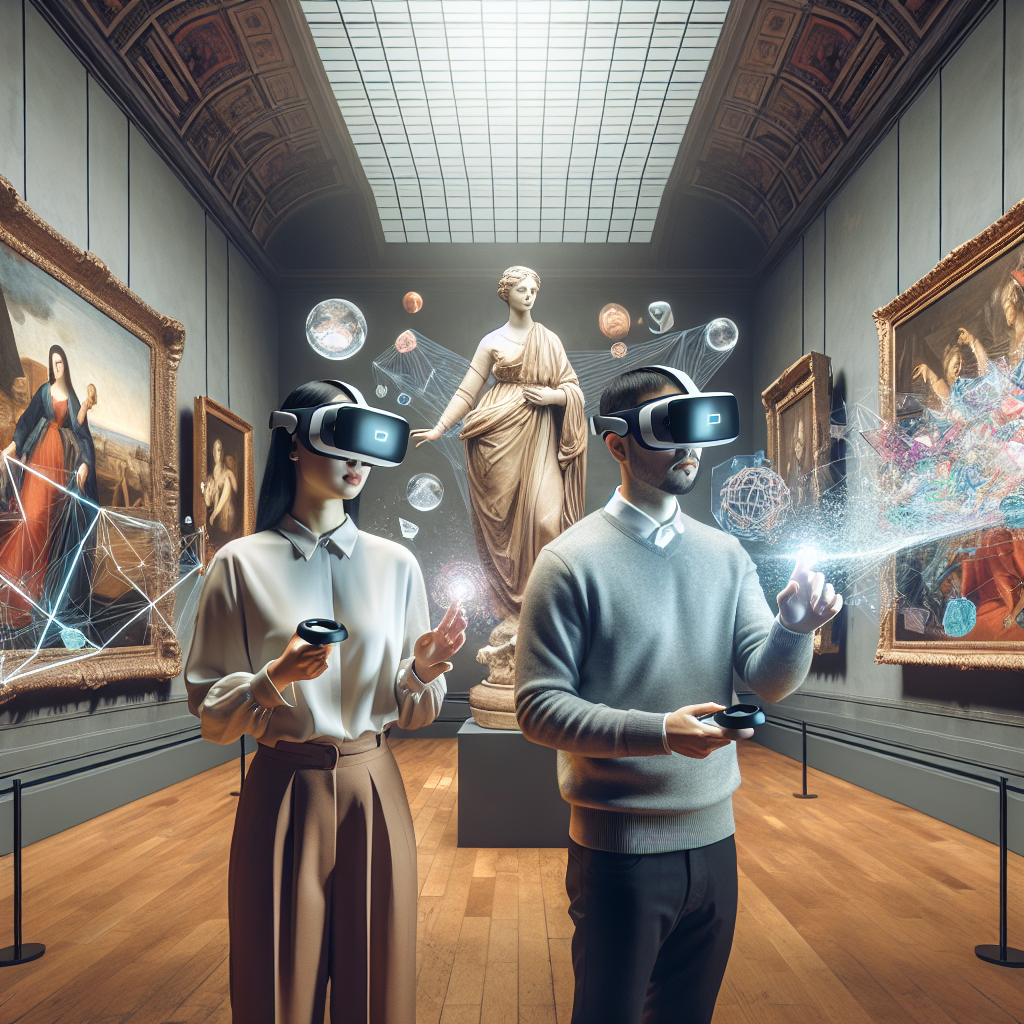
As technology continues to evolve, the intersection of art and digital innovation is transforming how we create, experience, and understand artistic expression. One of the most groundbreaking advancements is Augmented Reality (AR), which enhances the physical world with digital overlays, reshaping the artistic landscape. This article explores how AR is revolutionizing the art world, enhancing creativity, and changing audience engagement.
Understanding Augmented Reality
Augmented Reality involves superimposing digital information—images, sounds, or other sensory enhancements—onto the real world, typically through devices like smartphones or AR glasses. Unlike Virtual Reality (VR), which immerses users in a completely digital environment, AR enriches reality, allowing users to interact with both physical and digital elements.
The Artistic Landscape Transformed
1. Expanding Creative Boundaries
AR provides artists with new tools to express their creativity. Traditional mediums like painting or sculpture can be enhanced with digital elements, enabling artists to layer visual experiences. Creators such as Refik Anadol and teamLab utilize AR to blend physical installations with digital projections, resulting in dynamic pieces that respond to viewer interaction or environmental factors.
For instance, in teamLab’s exhibitions, visitors can immerse themselves in environments where the artwork changes based on their movements, creating a personal and unique experience for each audience member.
2. Interactivity and User Engagement
In an era where interactivity is paramount, AR allows audiences to engage with art in novel ways. Applications designed for smartphones can guide viewers through galleries, offering additional information or allowing users to manipulate digital elements tied to specific artworks. This not only enriches the viewing experience but also fosters a deeper connection between the audience and the art.
The “Layered Reality” app, for instance, enables users to point their devices at a painting to see historical context, artist interviews, or even virtual animations tied to the artwork, thereby breathing new life into static images.
3. Democratization of Art
AR has the potential to democratize access to art. With smartphone apps, anyone can experience art installations or exhibitions without the need for a physical presence. Artists can create AR experiences that can be accessed globally, breaking down geographical barriers. For example, street artists have begun using AR to augment their works, allowing anyone with a smartphone to experience their creations regardless of location.
The use of AR in public spaces, such as parks or city streets, further amplifies this effect, inviting the public to interact with art in everyday settings.
Challenges and Considerations
While the integration of AR in the art world offers numerous benefits, it also raises questions regarding authenticity, copyright, and the experience of traditional art forms.
1. Authenticity and Ownership
As digital artworks become more integrated with physical spaces, issues regarding ownership and authenticity arise. How do we value an artwork that exists solely in a digital format? Can an augmented piece be considered original if anyone can access and reproduce it?
2. Accessibility and Technology Gap
Despite its potential for democratization, access to AR depends on technology, which may exclude certain demographics. Bridging this technological gap remains a vital challenge to ensure that all communities benefit from AR in art.
The Future of Augmented Reality in Art
As AR technology continues to advance, the future looks bright for its integration into the artistic realm. Collaborations between tech companies and artists are expected to yield innovative experiences that blend creativity and technology further. Future developments may include more sophisticated AR displays that interact with the environment or the incorporation of AI, leading to adaptive artwork that evolves based on viewer interaction.
Conclusion
Augmented Reality stands at the forefront of a transformative movement in art, offering new avenues for creativity, interactivity, and access. As artists continue to harness this technology, the art world is poised for an explosion of inventive expression that will redefine how we engage with creativity. In a society increasingly driven by technology, AR serves as a reminder of art’s enduring ability to inspire, provoke, and connect us with the world around us.


