

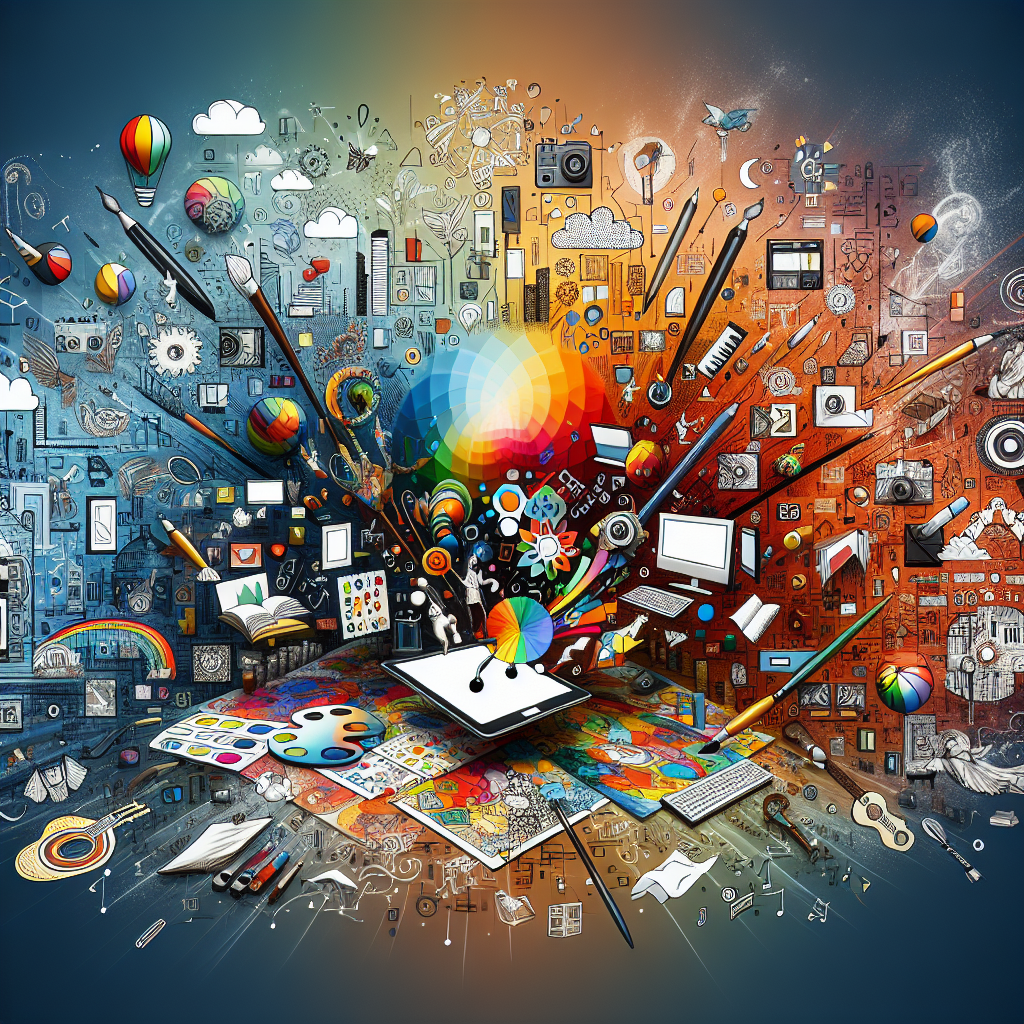
In an increasingly interconnected world, digital media has emerged as a powerful catalyst for cultural exchange. It transcends geographical, linguistic, and socio-political boundaries, allowing artists and audiences to connect in ways that were previously unimaginable. This article explores how digital media facilitates cultural exchange, promotes diversity, and has transformed the art world.
The Evolution of Cultural Exchange
Cultural exchange has existed for centuries, primarily through trade, travel, and migration. However, the advent of digital technology has revolutionized this exchange. Platforms such as social media, online galleries, and virtual reality have enabled artists from diverse backgrounds to share their work and narratives globally, creating a rich tapestry of cultural dialogues.
Breaking Geographic Barriers
Digital media effectively eliminates geographical constraints. Artists in remote villages can showcase their work alongside those from major urban centers. For instance, platforms like Instagram and Behance allow artists, regardless of their location, to reach a global audience. This democratization of art means that cultural expressions that might have previously remained localized can now flourish on the world stage.
Language and Accessibility
Traditionally, language has posed challenges in cultural exchange. Digital media addresses this issue through translation tools and visual storytelling. A painting or a photograph communicates emotions and ideas that may bypass linguistic barriers altogether. Additionally, visually-driven platforms like Pinterest and TikTok prioritize imagery over text, further enhancing accessibility for diverse audiences.
Collaborative Art Projects
Digital media fosters collaboration across cultures, leading to innovative artistic projects. Initiatives like the "Global Art Project" allow artists from different countries to collaborate on digital artworks, reflecting their unique backgrounds while creating something new and cohesive. These collaborations not only enrich the artists’ experiences but also promote a greater understanding of cultural nuances.
Museums and Virtual Exhibitions
The COVID-19 pandemic accelerated the shift to digital platforms, pushing museums and galleries to offer virtual exhibitions. Institutions such as The Louvre and The British Museum have expanded their reach by providing online access to their collections. This accessibility allows people from various backgrounds to experience art and culture that they might never interact with in person, thereby enhancing global appreciation of diverse heritages.
The Impact of Social Media
Social media platforms play a pivotal role in the dissemination of cultural narratives. Artists use hashtags, live streams, and stories to engage audiences, share their processes, and explore themes relevant to their cultures. Social media not only enables artists to gain recognition but also provides platforms for dialogue, where cultural stories can be shared, discussed, and celebrated.
Raising Awareness and Advocacy
Digital media has also become a platform for advocacy. Artists can utilize their work to address social issues, raise awareness about crises, and mobilize support for various causes. Campaigns that highlight human rights, environmental challenges, or cultural preservation efforts often gain traction through viral social media posts, sparking conversations that cross cultural and national boundaries.
Challenges and Ethical Considerations
While digital media facilitates cultural exchange, it also comes with challenges. Issues of cultural appropriation and misrepresentation can arise when dominant cultures adopt elements from marginalized ones without proper context or respect. Art, in the digital age, raises questions about ownership and authenticity, necessitating a dialogue about ethics and responsibility in cultural sharing.
The Role of Education
Education becomes crucial in navigating these challenges. Artists and audiences alike must be equipped with cultural literacy skills to appreciate the nuances of artistic expressions. Online courses and workshops can foster a greater understanding of how culture shapes art and vice versa, promoting respectful engagement and collaboration.
Conclusion
Digital media has undeniably transformed the landscape of cultural exchange in the art world. By breaking down barriers, promoting accessibility, and facilitating collaboration, it has allowed for a richer and more diverse cultural dialogue. As we continue to navigate the complexities of globalization and cultural representation, it is essential to approach these exchanges with respect, openness, and a commitment to ethical practices. Ultimately, art beyond boundaries offers a glimpse into the shared human experience, fostering connections that enrich us all.


