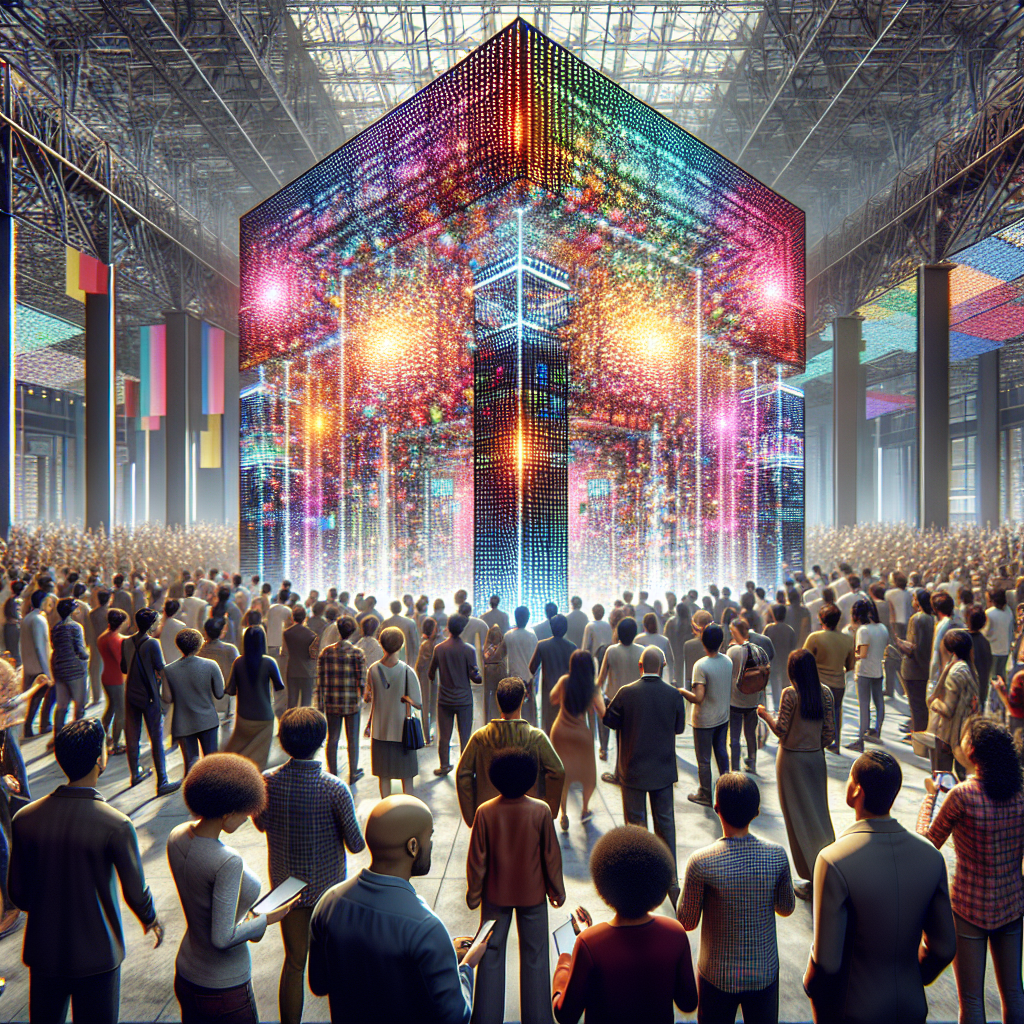
In an era marked by rapid technological advancements, the art world is undergoing a transformative shift. Interactive art installations have emerged as a dynamic fusion of digital media and audience engagement, creating immersive experiences that challenge traditional notions of artistry and spectator involvement. This article explores the evolution, significance, and future prospects of interactive art installations.
The Evolution of Interactive Art
Interactive art is not a new concept; it dates back to the mid-20th century when artists began exploring how to break the proverbial "fourth wall." Early pioneers like Nam June Paik utilized television screens and video technology to engage audiences in ways that were revolutionary for their time. However, with the advent of digital media, the possibilities for interactivity have expanded exponentially.
Today’s interactive installations often incorporate augmented reality (AR), virtual reality (VR), and real-time data processing, allowing audiences to play an active role in shaping the artistic narrative. These experiences can transport viewers into alternate realities or allow them to manipulate visual elements directly, forging a personal connection to the artwork.
Key Features of Interactive Art Installations
-
Audience Participation: At the heart of interactive art is the belief that the audience is not just a passive observer but an active participant. Many installations are designed to change or evolve based on audience interactions, whether through digital input, movement, or even emotional responses.
-
Technological Integration: Modern interactive art installations often leverage advanced technologies such as sensors, projection mapping, and machine learning. These tools allow artists to create responsive environments that react in real-time to audience actions, blurring the boundaries between creator and viewer.
-
Multisensory Experiences: By engaging multiple senses—sight, sound, touch, and sometimes even smell—interactive installations create richer experiences. For example, installations can combine visual elements with soundscapes or tactile feedback, enhancing the emotional impact and enabling deeper engagement.
Examples of Notable Interactive Installations
-
TeamLab’s “Borderless”: This installation in Tokyo seamlessly merges art and technology. Visitors interact with digital projections that change in response to their movements, effectively placing them within a living artwork that continuously evolves.
-
Random International’s “Rain Room”: In this groundbreaking installation, visitors walk through a room where it rains, but sensors allow for the area directly around them to remain dry. This relationship between the individual and the installation creates an intimate dialogue about nature, technology, and control.
-
Yayoi Kusama’s “Infinity Mirror Rooms”: While primarily a visual spectacle, these installations invite viewers to capture their reflections in infinite patterns, creating a shared yet personal experience that emphasizes the relationship between viewer and artwork.
The Significance of Engagement
The interactive nature of these installations serves several critical purposes:
-
Democratization of Art: By inviting participation, interactive art installations break down elitist barriers traditionally associated with art. They encourage individuals from diverse backgrounds to engage and interpret the artwork in their unique ways.
-
Fostering Community: Many interactive installations create communal experiences. As audiences engage with the art together, they share emotions and perspectives, fostering social connections and collective reflections.
-
Introspection and Self-Discovery: The engaging nature of interactive art often encourages introspection. Viewers may find themselves reflecting on their actions, emotions, and relationships with the artwork and each other.
The Future of Interactive Art Installations
As technology continues to advance, the possibilities for interactive art are virtually limitless. The rise of AI, machine learning, and wearable tech suggests an exciting future where installations can adapt not just to physical movement but to emotional and cognitive responses as well. This evolution may lead to more personalized art experiences, where installations evolve into unique expressions tailored to each participant.
Moreover, as remote and hybrid experiences become more commonplace, there’s potential for interactive art to reach broader audiences beyond physical locations. Virtual installations could offer immersive experiences that engage users worldwide, redefining the concept of a gallery visit.
Conclusion
Interactive art installations represent a significant shift in how audiences engage with art. By merging digital media with active participation, these installations challenge traditional boundaries and encourage new forms of expression. As technology continues to evolve, the intersection of art, audience engagement, and digital media promises to create increasingly profound and transformative experiences in the art world. Whether through immersive environments or participatory elements, interactive installations invite us to think critically about our relationship with art, technology, and each other.