

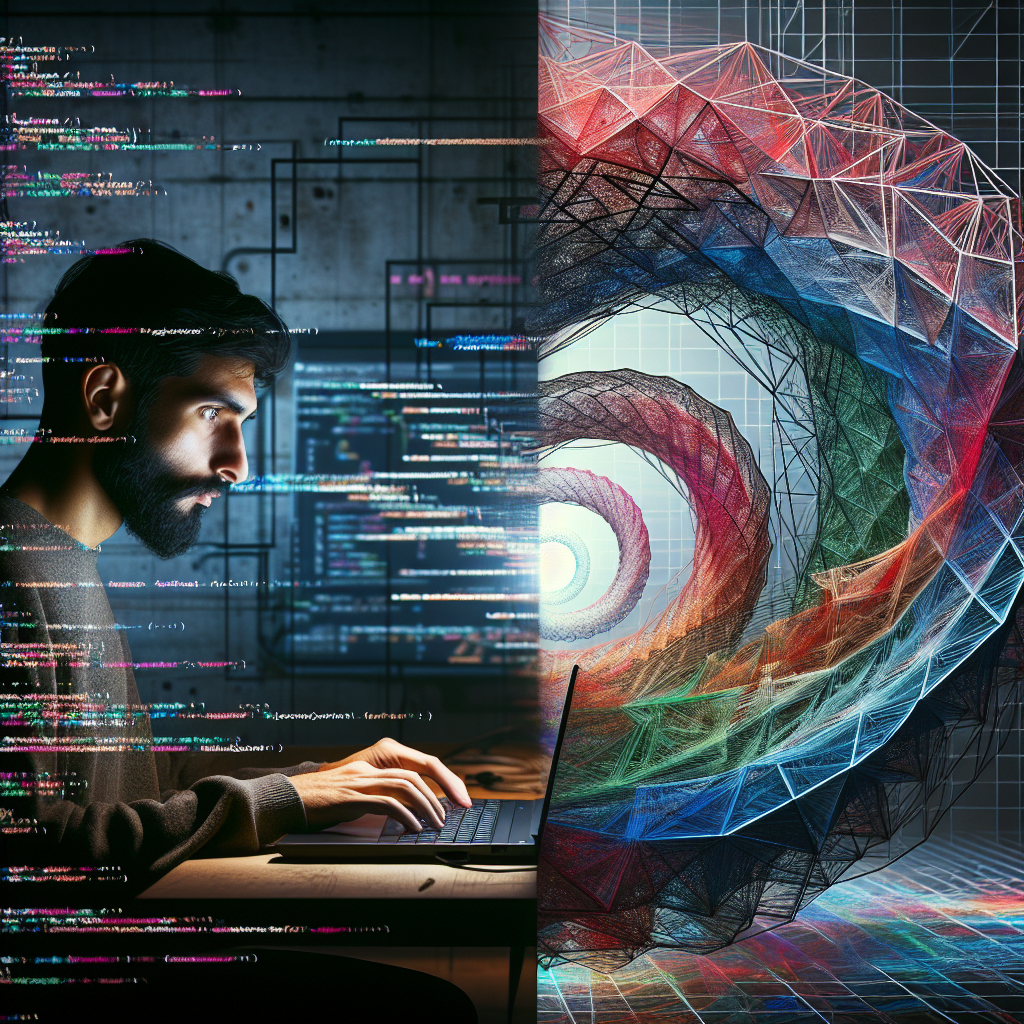
In a rapidly evolving digital landscape, the convergence of technology and art is creating a vibrant new genre: algorithmic art. This innovative approach is rooted in the idea of using code as a medium, where algorithms are not just a set of instructions but also the building blocks of creativity. The intersection of programming and visual expression is challenging traditional notions of art, inviting audiences to engage with aesthetics in entirely new ways.
The Birth of Algorithmic Art
Algorithmic art, or generative art, emerged in the mid-20th century as artists began to leverage computer technologies in their creative processes. Pioneers like Frieder Nake, Harold Cohen, and Vera Molnar experimented with mathematical patterns and programmable systems to generate unique artistic works. Today, the advent of advanced software, artificial intelligence, and interactive technologies has propelled this genre into the limelight, as artists explore the endless possibilities that code can offer.
Algorithms as Creative Tools
At its core, algorithmic art relies on coding languages such as Processing, p5.js, and Python to create visual representations of data and processes. Artists write algorithms that dictate how shapes, colors, and forms interact, allowing the computer to generate artwork autonomously or in response to user inputs. This process raises intriguing questions about authorship and creativity. Do artists lose control over their creations, or do they gain a collaborator in the form of a computer?
Case Studies in Algorithmic Art
-
Casey Reas: Co-creator of Processing, Reas has become renowned for his work that emphasizes the poetic potential of algorithms. His pieces often invite viewers to explore the aesthetics embedded in the generative processes, making the act of observation an integral part of the experience.
-
Refik Anadol: By using machine learning and data visualization, Anadol transforms vast datasets into mesmerizing visual installations. His works, such as "Infinity Room," dynamically change and evolve, creating immersive environments that blur the line between art and experience.
-
Zach Lieberman: Known for his interactive installations, Lieberman’s work often incorporates physical movements captured by sensors that influence the visual output on screens. This interplay between the physical and digital realms creates a participatory dimension that engages audiences in unexpected ways.
Installation Art Through the Lens of Code
Art installations powered by algorithms transcend traditional boundaries by integrating multiple forms of media—video, sound, sculpture, and more. These installations often transform spaces, allowing audiences to step into a world where art is not just observed but experienced. Spaces can be altered in real-time based on the interactions or movements of the audience, making every visit a unique encounter.
Immersive Experiences
Some installations utilize augmented reality (AR) and virtual reality (VR) to create surreal environments where algorithms dictate the experience. Visitors might don VR headsets to explore a fully digital landscape that evolves based on their actions, offering a profound sense of agency and immersion. The result is a dialogue between the viewer and the artwork, where the boundaries of creation and perception dissolve.
The Future of Algorithmic Art
As technology advances, the possibilities for algorithmic art will only expand. The integration of artificial intelligence raises exciting prospects; machines can learn from existing artworks and develop new styles. Furthermore, social networks and blockchain technology are disrupting traditional pathways for artists, allowing them to reach audiences globally and even monetize their creations through NFTs.
Ethical and Philosophical Considerations
However, this new frontier also brings along ethical considerations. Questions about originality, ownership, and the role of the artist starkly emerge. If a machine creates art, who is the true creator? As artists navigate these complex territories, the dialogue around the nature of creativity continues to evolve.
Conclusion
Code as canvas symbolizes a transformative moment in the art world, where algorithms act as creative powerhouses. The interplay between technology and art invites a broader audience to appreciate the intricacies of code while redefining our understanding of creative expression. As artists continue to experiment with these new digital mediums, the future of algorithmic art promises to be as dynamic and varied as the algorithms that fuel it. In this electronic renaissance, the canvas has expanded far beyond traditional boundaries, inviting us all to explore the art of computation.


