

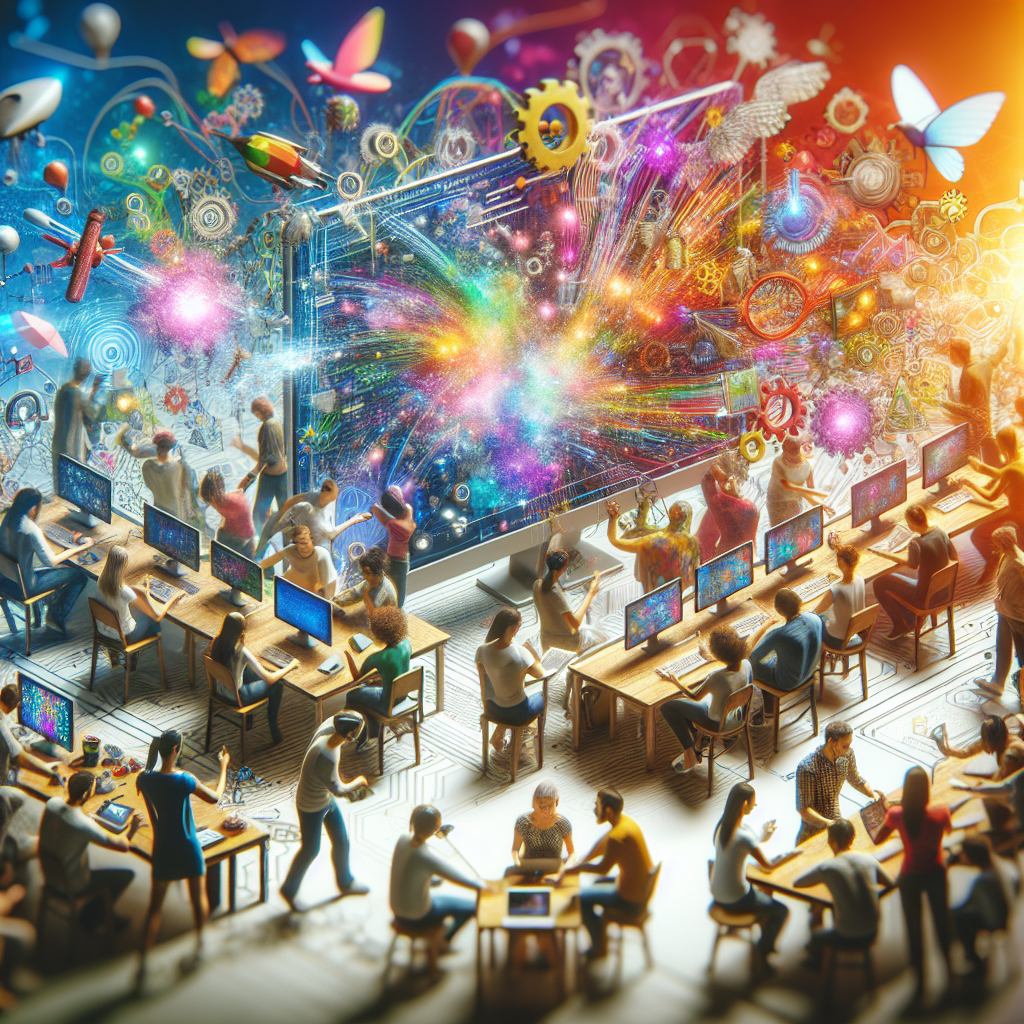
In a world increasingly shaped by technology, creative coding has emerged as an exciting intersection of art, design, and programming. This burgeoning field not only allows artists to produce unique works but also fosters a sense of community among creators. Let’s delve into the significance of creative coding communities and how they facilitate collaboration through digital art.
The Essence of Creative Coding
Creative coding is the practice of using programming languages to create visual art, interactive installations, and innovative designs. Unlike traditional coding, which often aims for functionality, creative coding prioritizes aesthetic experience and expression. Artists can manipulate algorithms, data, and technology to create immersive environments and dynamic visualizations.
Building a Community
One of the most remarkable aspects of creative coding is the sense of community it cultivates among artists, developers, and enthusiasts. This community is often built around online platforms, forums, and social media, where individuals from diverse backgrounds come together to share their work, exchange ideas, and support each other’s artistic endeavors.
Online Platforms
Platforms such as GitHub, openFrameworks, Processing, and p5.js have become digital meeting grounds for creative coders. These tools provide not only the coding framework but also the community necessary for growth. Users can share code snippets, collaborate on projects, and even participate in challenges that push their creative boundaries.
Events and Workshops
Hackathons, workshops, and meetups play a crucial role in consolidating these communities. Events such as the annual Creative Coding Meetup or various local coding festivals allow participants to showcase their work, engage in friendly competition, and learn from each other. These gatherings create a supportive network where individuals can share their challenges and triumphs, breeding an environment of continuous learning.
Collaboration Through Projects
Collaboration is a cornerstone of creative coding communities. Artists frequently join forces to create multimedia installations, interactive art exhibits, and generative artworks. Such projects can blend various disciplines—like visual arts, music, and computer science—resulting in rich, multi-dimensional experiences.
Open Source Contributions
Open source projects have revolutionized collaboration in creative coding. Artists can contribute to existing projects, improving tools that benefit the community at large. This collaboration allows for rapid iteration and innovation, as diverse perspectives lead to unique solutions. Furthermore, sharing code and resources helps democratize access to digital art-making, empowering more individuals to explore their creativity.
Cross-disciplinary Collaborations
Creative coding communities are often hubs for cross-disciplinary collaboration. Artists partner with scientists, educators, and technologists to create projects that explore the boundaries of their respective fields. This synergy can yield impactful artworks that address social issues, enhance educational experiences, or push the limits of visual representation.
Educational Aspects
Education plays a significant role in fostering creative coding communities. Many community members are passionate about teaching and mentoring others. Online courses, tutorials, and community-driven workshops offer newcomers the opportunity to learn coding and artistic skills in tandem. By demystifying programming, these educational resources inspire more artists to engage with technology creatively.
Community Mentorship
Mentorship is another vital component. Experienced coders often take individuals under their wing, sharing knowledge and guiding them through the intricacies of both art and code. These interactions foster a sense of belonging and encourage novices to take risks in their creative endeavors.
The Impact of Digital Art
Digital art, born from the collaborative efforts of creative coding communities, has made a significant impact on the wider art world. Galleries increasingly display digital installations, and exhibitions often feature interactive pieces that invite viewer engagement. This shift reflects a growing recognition of digital art’s importance and its role in contemporary discussions around culture and technology.
Conclusion
Creative coding communities represent a vibrant tapestry of collaboration, innovation, and artistic expression. By coming together, individuals can share their knowledge, inspire one another, and push the boundaries of what is possible in digital art. As technology continues to evolve, these communities will remain at the forefront, shaping the future of art through creativity and collaboration. In embracing this collective spirit, we not only enrich our own artistic journeys but also contribute to a broader cultural dialogue that celebrates the intersection of creativity and technology.


