

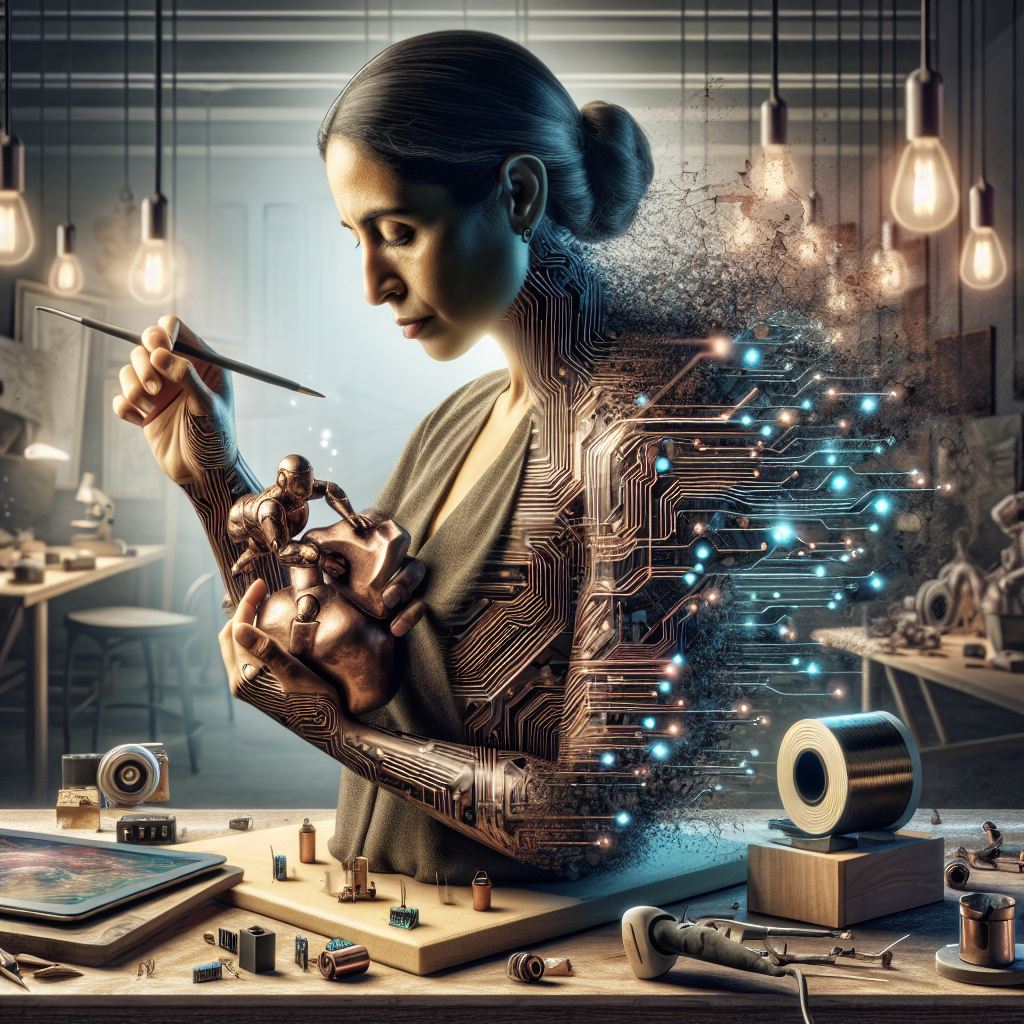
Sculpting with Circuits: Innovative Uses of Tech in Modern Art
In the ever-evolving landscape of modern art, the intersection of technology and creativity has birthed a new wave of artistic expression: circuit sculpting. This fusion of traditional sculptural techniques with electronics not only challenges perceptions of art but also invites audiences to engage with art in interactive and dynamic ways.
The Concept of Circuit Sculpting
At its core, circuit sculpting combines physical materials—such as metal, wood, and plastic—with electronic components like sensors, LEDs, and microcontrollers. This approach allows artists to create three-dimensional works that can respond to environmental stimuli, making them not just aesthetically appealing but also functionally engaging.
Artists leverage coding and circuit design to construct installations that can change color, produce sound, or even move in response to the viewer’s presence. This interplay between physical art and digital technology creates an immersive experience that traditional sculpture often lacks.
Pioneering Artists
Several contemporary artists have made significant contributions to the field of circuit sculpting, blending art, science, and engineering in innovative ways.
-
Manfred Mohr: An early pioneer of algorithmic art, Mohr creates stunning visual patterns generated by algorithms. His works often involve interactive elements that respond to viewer inputs, transforming the gallery experience into an engaging dialogue between the observer and the observed.
-
Natalie J. J. Koren: Known for her intricate electronic sculptures, Koren incorporates elements like light and motion. Her pieces often investigate themes of nature and technology, highlighting the interplay between organic forms and synthetic materials.
-
Diana Eng: Blurring the lines between fashion, art, and technology, Eng’s wearable circuits serve as both sculpture and functional clothing. Her work challenges traditional notions of textiles and asks viewers to consider how technology can redefine physical forms.
Techniques and Materials
The materials utilized in circuit sculpting can range from traditional sculptural media to electronic components. Common techniques include:
-
3D Printing: Artists often employ 3D printing technologies to create intricate forms that would be difficult or impossible to achieve through conventional sculpting methods. The designs can be customized to accommodate embedded electronic components.
-
Arduino and Raspberry Pi: These microcontrollers serve as the brain behind many interactive artworks. Artists can program these devices to control lights, sounds, and movements, allowing for an expansive range of creative possibilities.
-
Wearable Technology: Integrating circuits into everyday items transforms them into sculptural pieces that interact with the body and the environment. This approach elevates functional objects into the realm of art.
The Audience Experience
One of the most compelling aspects of circuit sculpting is its ability to create a participatory experience for viewers. Audiences are often invited to interact with the artwork, influencing its behavior and exploring how their presence alters the piece.
This shift from passive viewing to active participation fosters a deeper connection between the observer and the artwork. It also encourages dialogue about the role of technology in our lives, prompting reflections on how digital advancements shape our understanding and appreciation of art.
Challenges and Considerations
While the integration of technology into art brings exciting possibilities, it also poses unique challenges. Artists must navigate issues of sustainability and the potential for obsolescence in tech-driven works. Additionally, the technical knowledge required to create such artworks can be daunting, making access to materials and education an important consideration in the field.
Conclusion
Sculpting with circuits embodies the spirit of innovation that defines contemporary art, pushing boundaries and reshaping the dialogue between creator and audience. As technology continues to advance, so too will the capabilities of circuit sculpting, offering endless opportunities for exploration and expression. This blend of art and technology not only enriches the artistic landscape but also prepares us for a future where these two realms coexist harmoniously, redefining our experience of both art and the world around us.


