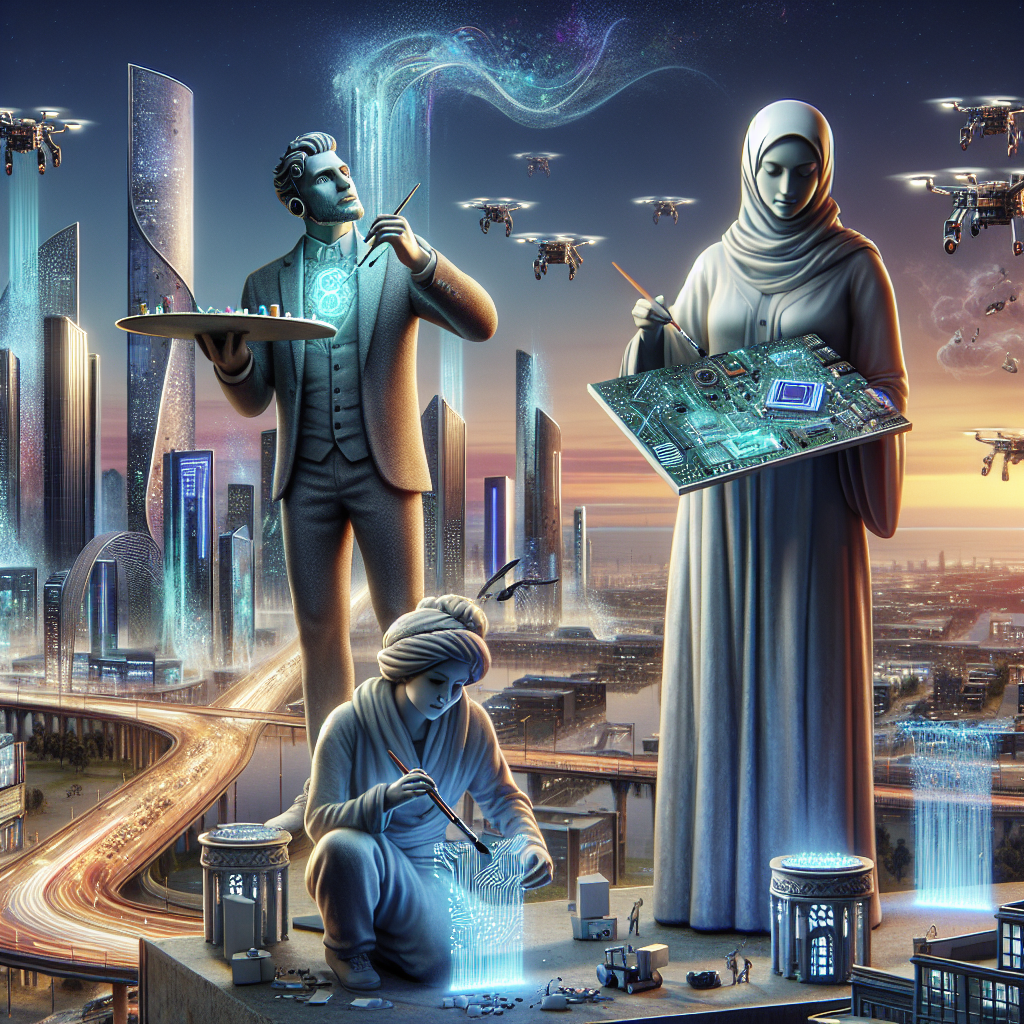
As we venture into 2025, the synergy between artists and technologists continues to redefine creative landscapes across various disciplines. This collaboration is reshaping not just how art is created but also how it is experienced, shared, and consumed. From virtual and augmented reality to blockchain and AI, innovative technologies are empowering artists to push the boundaries of their craft, resulting in a vibrant, interactive, and inclusive future.
The Evolution of Artistic Collaboration
The intersection of art and technology is not new; however, the rapid advancement in digital tools and platforms has accelerated collaborative efforts to unforeseen levels. Artists now have access to sophisticated software and hardware that allow for experimentation and co-creation in ways that were previously unimaginable.
For instance, digital painting software paired with high-resolution screens enables artists to collaborate in real time, regardless of geographic barriers. This kind of partnership fosters a dynamic exchange of ideas, encouraging diverse perspectives and enriching the final artwork.
The Impact of Virtual and Augmented Reality
One of the most transformative tools in the artist-technologist collaboration toolkit is Virtual Reality (VR) and Augmented Reality (AR). In 2025, we can expect to see immersive installations that invite audiences to engage with art in revolutionary ways. These technologies enable the creation of 3D environments that can be accessed anywhere, empowering artists to design experiential narratives.
For example, museums and galleries are increasingly hosting VR exhibitions where visitors can walk through virtual worlds, engage with the artwork, and even interact with the artists through digital avatars. This level of interactivity not only enhances engagement but also democratizes the experience of art, making it accessible to a broader audience.
AI in Artistic Creation
Artificial Intelligence (AI) is another game-changer in collaborative creations. Artists are increasingly using AI tools to generate music, visual art, and even literature. This partnership results in unique works that blur the lines between human and machine creativity.
By leveraging machine learning algorithms, artists can explore new forms of creativity that incorporate patterns and styles not easily identified by the human eye or brain. Think of AI assisting in composing music that reacts to audience emotions or creating visual art based on data-driven insights about societal trends. This melding of art and AI not only expands creative possibilities but also raises questions about authorship and originality in the digital age.
Blockchain and the Art Market
The rise of blockchain technology has opened new avenues for artists and technologists to collaborate, especially concerning ownership and distribution. In 2025, we see a significant shift in how art is valued and sold, predominantly through Non-Fungible Tokens (NFTs). Artists can now authenticate their work, receive royalties from secondary sales, and engage directly with their audience without the traditional gatekeepers of the art market.
For technologists, this offers opportunities to create platforms that facilitate these transactions and enhance the user experience. The collaboration between artists and technologists in this sphere not only empowers independent creators but also fosters a more transparent and equitable art market.
Building Inclusive Communities
Another significant aspect of collaboration is the focus on inclusivity. As artists and technologists work together, they are increasingly mindful of representing diverse voices and narratives. Initiatives that combine art and technology are being launched to give underrepresented communities a platform for creative expression, addressing social issues, and fostering empathy.
For instance, workshops that teach coding and digital art techniques in underserved neighborhoods are on the rise. Such initiatives encourage collaboration, providing tools for individuals to express their unique perspectives and stories while learning valuable technological skills.
The Future of Collaborative Creations
As we look ahead, the potential for collaborative creations continues to grow. The rise of the metaverse, where virtual interactions become everyday experiences, will further amplify this collaboration. Artists and technologists will build virtual spaces that cater to diverse needs, from art galleries to concert venues, all offering interactive and memorable experiences.
Moreover, with the perpetual evolution of technology, we can anticipate new tools that facilitate communication and creativity in ways we have yet to imagine. The future promises a landscape where boundaries between disciplines blur, empowering cross-cultural collaborations that resonate on a global scale.
Conclusion
In 2025, the collaboration between artists and technologists is not just a trend; it’s a powerful movement shaping the future of creativity and innovation. Together, they are revolutionizing how art is created, experienced, and valued, promoting inclusivity, democratization, and emotional connection. As they explore these uncharted territories, the synergy between art and technology will continue to inspire us, challenge our perceptions, and enrich our lives.