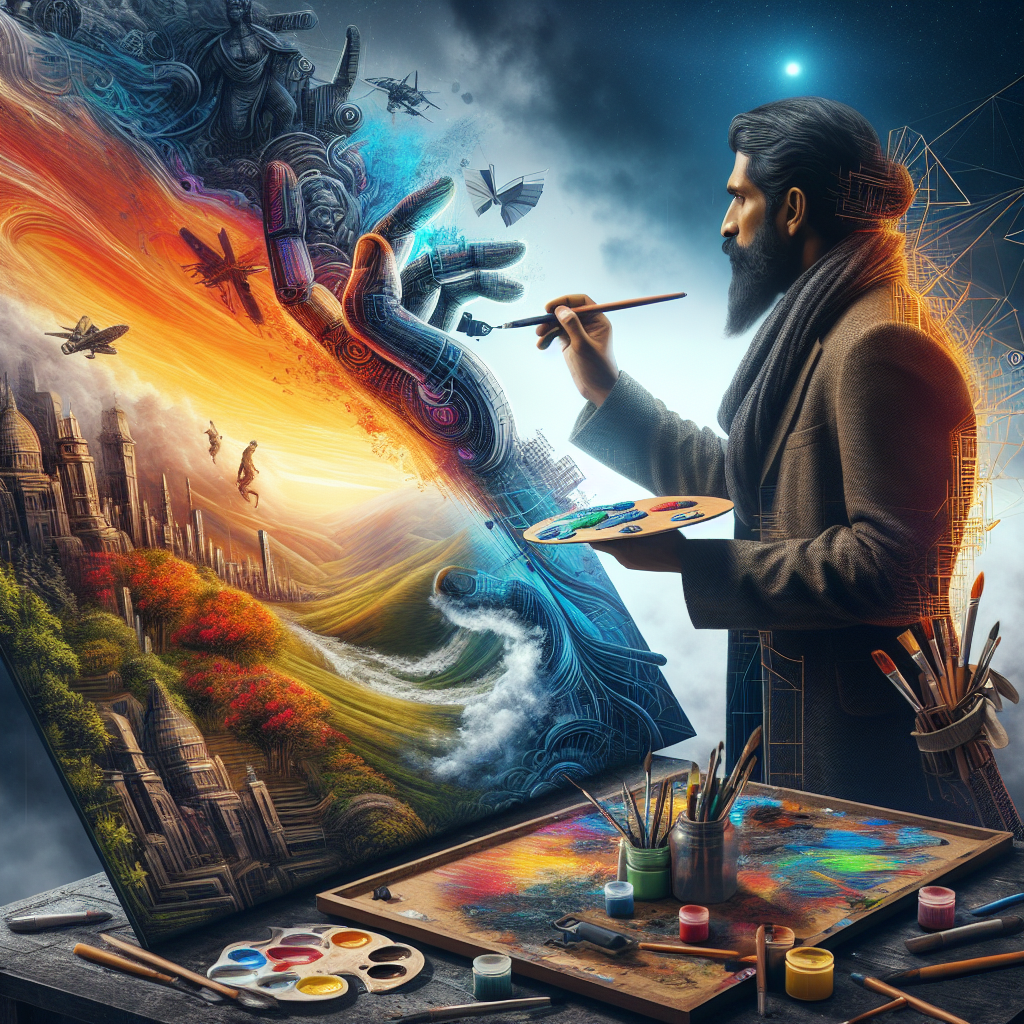
In our increasingly digitized world, the line between art and technology has blurred, giving rise to a new era of creativity known as tech-driven art. This genre encompasses a range of practices, from digital installations and interactive exhibits to augmented reality (AR) and virtual reality (VR) experiences. As technologies evolve, so too does the way we conceptualize and interact with art, reflecting society’s aspirations, challenges, and transformations.
The Historical Context
The journey of tech-driven art can be traced back to the emergence of digital technologies in the late 20th century. Early pioneers like Nam June Paik pushed the boundaries of traditional media by incorporating video and electronic components into their installations. At the same time, artists began experimenting with computer graphics, laying the groundwork for what would later flourish into a broad spectrum of digital art practices.
The Digital Revolution
The advent of the internet in the 1990s marked a significant turning point. Artists gained unprecedented access to global audiences and collaborative platforms, allowing them to create and share their work in ways that were previously unimaginable. The rise of social media fostered new forms of artistic expression, giving birth to movements such as net art, which explores the internet as both a medium and a conceptual space.
The Intersection of Art and Technology
Artistic expression today involves a multitude of technologies, from 3D printing and machine learning to big data and blockchain. Each new tool expands the artist’s creative repertoire, enabling innovative works that challenge traditional forms and engage audiences in unique ways. Here are some key areas where technology has profoundly influenced artistic practice:
1. Augmented and Virtual Reality
AR and VR have revolutionized the art experience, allowing viewers to immerse themselves in alternate realities. Artists like Marina Abramović have utilized VR to explore themes of presence and intimacy, offering participants a chance to engage with art on a deeply personal level. These technologies invite us to rethink our relationship with the physical world and consider new dimensions of space and perception.
2. Interactive Installations
Interactive art installations encourage audience participation, transforming passive observers into active co-creators. Artists like Rafael Lozano-Hemmer use sensors and algorithms to create responsive environments where audience movements and actions influence the artwork. This dynamic interaction fosters a deeper connection between the audience and the work, emphasizing the notion of art as an evolving dialogue rather than a static display.
3. Algorithmic Art
With the rise of artificial intelligence, artists are now harnessing algorithms to create paintings, music, and even poetry. What was once a purely human endeavor is being augmented or even wholly created by machines. Artists such as Refik Anadol explore the possibilities of AI-generated artworks that capture the complexities of data and memory. This genre questions authorship and originality, challenging our conventional understanding of creativity.
4. Blockchain and Digital Ownership
The blockchain revolution has introduced the concept of digital ownership through non-fungible tokens (NFTs). This technology allows artists to sell digital works as unique entities, fundamentally altering the way art is bought, sold, and appreciated. Emerging artists can gain recognition and financial support without traditional gatekeepers, democratizing the art market and providing new avenues for innovation.
The Societal Impact of Tech-Driven Art
As tech-driven art continues to evolve, it reflects broader societal changes and addresses pressing issues. From environmental concerns to social justice, artists are using technology to provoke discourse and inspire action. For instance, projects like Olafur Eliasson’s "Ice Watch" highlight climate change, using digital media to engage audiences in urgent conversations about our planet’s future.
Bridging the Gap
Moreover, the integration of technology in art is bridging gaps between diverse communities. Virtual exhibitions and online art platforms allow artists from underrepresented backgrounds to reach global audiences, creating a more inclusive art world. This democratization of art facilitates cross-cultural dialogues, enriching the artistic landscape.
Conclusion
The evolution of tech-driven art embodies the fusion of reality and innovation, challenging our perceptions and redefining creativity in the 21st century. As technology continues to advance, artists will undoubtedly discover new methods of expression that push the boundaries of imagination and explore our collective human experience. In this interplay between art and technology, we find not only new forms but also new meanings, inviting us to reflect on the world we inhabit and the futures we can create together.