

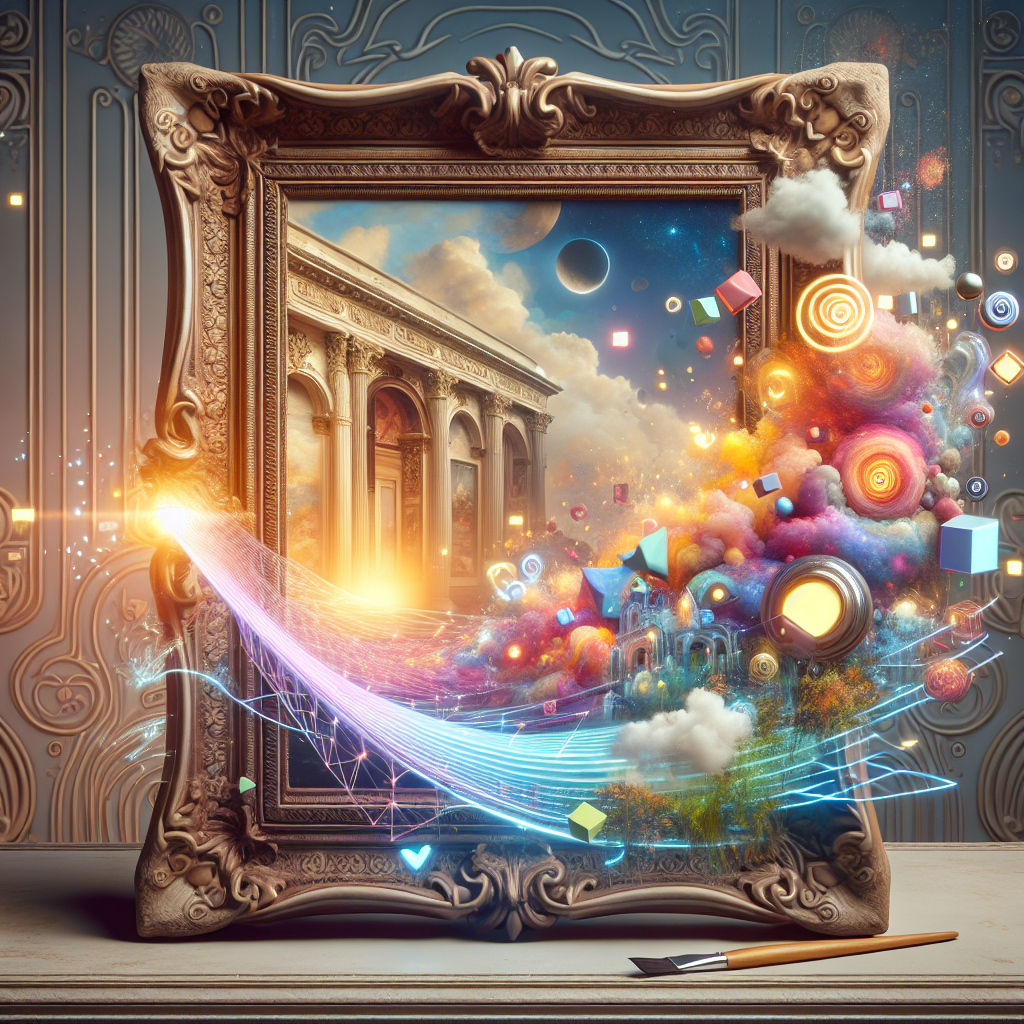
In an age where technology permeates every aspect of our lives, the art world is undergoing a radical transformation. Interactive technology is not just augmenting traditional forms of artistic expression; it is fundamentally redefining what art can be. This article explores the impact of interactive tech on creativity, audience engagement, and the very essence of art itself.
The Intersection of Art and Technology
Historically, art has evolved alongside advancements in technology. From the invention of oil paints to the advent of photography and digital media, each technological milestone has opened new avenues for artistic expression. Today, we stand at the forefront of a new revolution where interactive technology is shaping an immersive landscape.
Artists are increasingly employing tools such as virtual reality (VR), augmented reality (AR), and artificial intelligence (AI) to create works that invite viewers into a participatory relationship. No longer passive observers, audiences are becoming co-creators, blurring the lines between art and life.
Immersive Experiences
One of the most notable trends in interactive art is the use of immersive environments crafted with VR and AR. Artists like Marina Abramović have pushed the boundaries of performance art by leveraging these technologies to place viewers directly into the narrative. Exhibitions such as "The Night Cafe,” a VR experience based on Vincent van Gogh’s paintings, allow users to step inside the artist’s mind and interact with a three-dimensional world of color and emotion.
Similarly, AR applications transform public spaces into digital canvases. Projects like the "AR Museum" encourage audiences to engage with their surroundings, providing layers of meaning that change based on individual interactions. The merging of physical and digital realms opens exciting possibilities for storytelling and emotional connection.
Algorithmic Art and AI
As artificial intelligence becomes increasingly sophisticated, its role in the creative process has evolved. Artists are using algorithms to generate pieces that reflect, reinterpret, or even surpass human creativity. AI-generated artworks challenge traditional notions of authorship and creativity. For instance, works like "Edmond de Belamy," created by the Paris-based collective Obvious, showcase how AI can produce portraits that are both recognizable and thought-provoking.
Furthermore, artists are using machine learning to analyze trends in art, music, and social media, creating a feedback loop that influences their work in real-time. This symbiotic relationship enhances the creative process, leading to innovative and even unpredictable outcomes.
Enhanced Audience Engagement
Interactive technology fosters a more profound level of engagement between the artwork and its audience. In installations where viewers can manipulate elements of the art, the experience becomes highly personal. Projects like “The Obliteration Room” by Yayoi Kusama invite participants to contribute to the work, transforming a stark white room into a burst of color and creativity through their interaction.
Gamification is another exciting facet of interactive art, encouraging audiences to participate actively. Artworks can evolve based on viewer input, creating a community-driven approach that reflects collective creativity. This democratization of art challenges the elitist perceptions often associated with the art world, making it inclusive and accessible.
The Future of Artistic Expression
As we move forward, the potential of interactive technology in art is boundless. The merging of robotics, biotechnology, and digital art will pave the way for new forms of expression that we can only begin to imagine. While challenges, such as the digital divide and the question of authenticity, exist, the benefits of interactive tech are undeniable.
Not only does this technology allow artists to explore uncharted territories, but it also empowers audiences to engage at deeper emotional levels, forging connections that transcend traditional barriers. As a result, art becomes a living, breathing dialogue—an ever-evolving narrative shaped by both creators and viewers.
Conclusion
Interactive technology is redefining artistic expression in profound ways. By transforming the roles of both artists and audiences, it challenges traditional notions of what art can be. As creators harness the power of VR, AR, AI, and other interactive tools, we find ourselves entering a new era of creativity, where the frame expands infinitely—beyond the canvas, beyond the gallery, into a vibrant, participatory realm. The future of art is not just to be seen or heard; it beckons to be engaged with, experienced, and, most importantly, created collaboratively.


