

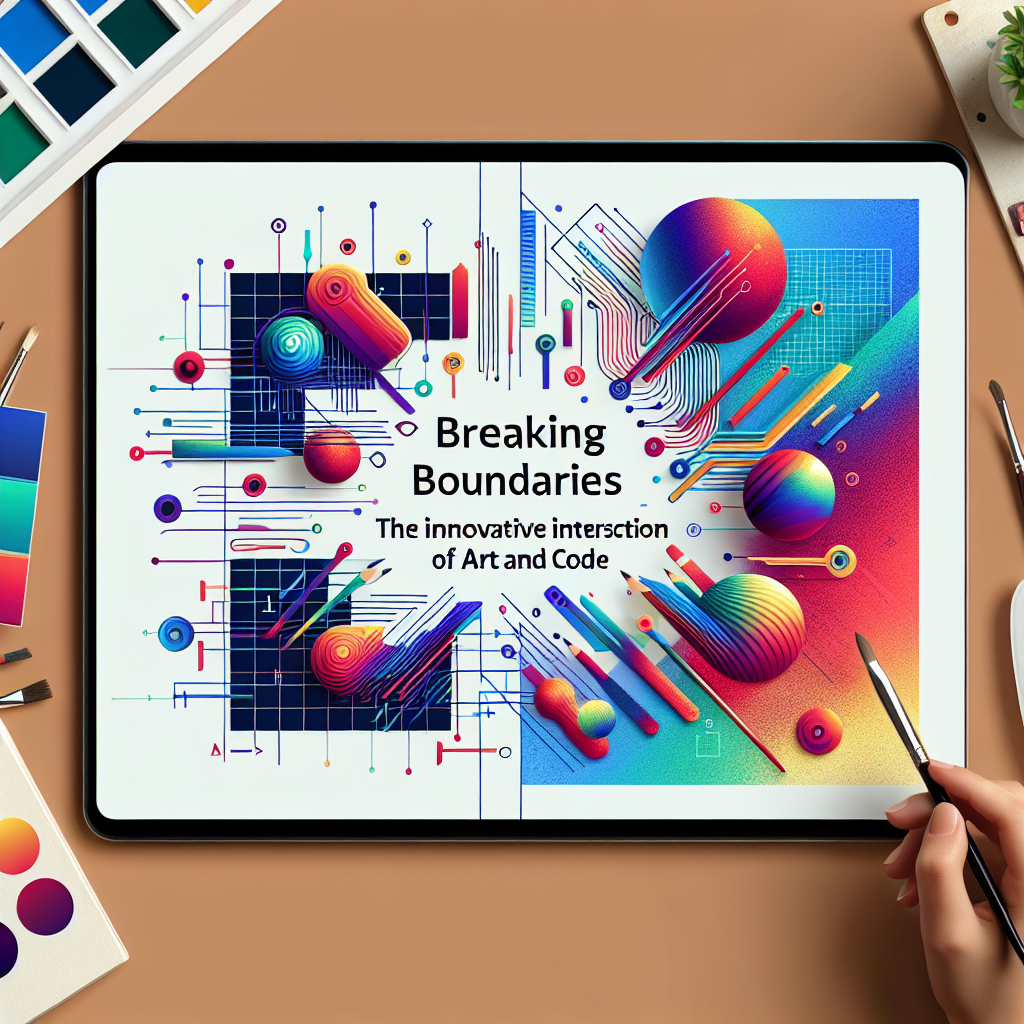
In a world increasingly driven by technology, the seamless integration of art and code is not just a trend but a transformative movement reshaping our understanding of creativity. The intersection of these two seemingly disparate realms fosters innovation, challenges traditional artistic paradigms, and invites us to reconsider the very nature of what art can be. This article explores how artists and technologists are breaking boundaries, fostering new forms of expression, and redefining their respective fields.
The Genesis of Code as Art
Historically, the relationship between art and technology has been complex. From the invention of the printing press to the advent of photography, each technological advancement has pushed the boundaries of artistic expression. The emergence of coding as a form of art began to gain traction in the late 20th century. Artists started to use programming languages not just as tools but as mediums for creative expression.
Pioneering figures like Frieder Nake and Harold Cohen demonstrated that algorithms could create intricate and compelling visual art. Cohen’s AARON, a program that autonomously generated drawings, marked a significant milestone in the journey of code as an artistic medium. Such innovations laid the groundwork for future artists to explore the digital canvas.
Contemporary Practices at the Intersection
Today, artists leverage a myriad of technologies to blur the lines between digital and physical realms. Generative art, for instance, relies on algorithms to create unique pieces that evolve over time or respond to user interaction. Artists like Casey Reas, one of the co-founders of Processing, emphasize the power of code to generate infinitely varied artwork with minimal input.
Moreover, platforms like GitHub have become collaborative spaces where artists and coders exchange ideas, share resources, and co-create. This democratization of art production not only expands access but also fosters a community-driven approach that celebrates diversity in artistic expression.
The Role of Data and Algorithms
Data is a powerful element in the fusion of art and code. Artists use data visualization to transform vast amounts of information into aesthetically engaging representations. The work of artists like Jer Thorp and Rafael Lozano-Hemmer showcases how data can unlock stories, reveal patterns, and foster emotional connections.
Algorithms also play a critical role in shaping experiences. For example, immersive installations employing machine learning adapt to viewer engagement, creating personalized experiences that evolve in real-time. This interactive element challenges the traditional notions of static art, inviting audiences to become active participants rather than passive observers.
The Ethical Dimension
As art and technology converge, ethical questions surface. Concerns about surveillance, privacy, and data representation pose challenges for artists navigating this new landscape. Artists like Trevor Paglen interrogate these issues through their work, using art as a commentary on the implications of technology in society.
Moreover, the question of authorship emerges in the age of AI-generated art. When algorithms create art based on datasets, who rightfully owns the work? These discussions are crucial in shaping the future of creativity, as they compel us to rethink ownership and originality in an increasingly collaborative digital landscape.
The Future of Art and Code
The innovative intersection of art and code is still in its infancy, with vast potential for exploration. As technology continues to evolve, we can expect new forms of artistic expression to emerge. Virtual reality, augmented reality, and artificial intelligence promise to further expand the boundaries of creativity, enabling artists to create experiences that engage multiple senses and challenge our perceptions of reality.
Art and code will continue to intersect, not just as a means of production but as a vehicle for social change. By leveraging technology, artists can reach wider audiences and address pressing issues, from climate change to social justice, in compelling ways that transcend traditional media.
Conclusion
Breaking boundaries at the intersection of art and code heralds a new era of creativity. As artists harness the power of technology, they are redefining the landscape of art, challenging us to broaden our understanding of creativity and expression. This dynamic fusion invites a dialogue between disciplines, sparking innovation and encouraging collaboration that promises to enrich our cultural landscape for years to come. The future of art, intertwined with code, is not merely an evolution but a revolution—one that celebrates the limitless possibilities of human ingenuity.


