

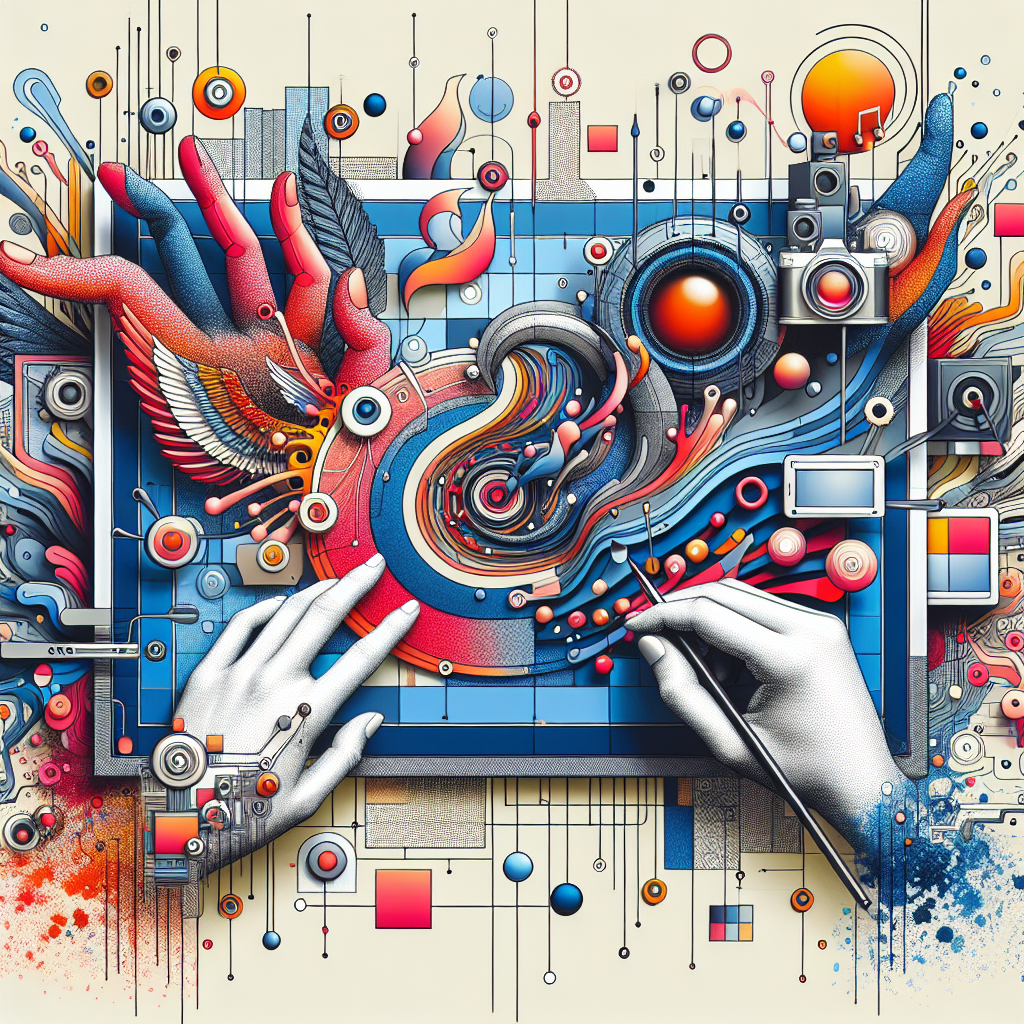
In an era dominated by rapid technological advancement, art is evolving in remarkable ways, integrating digital mediums and interactive elements that engage audiences on unprecedented levels. Interactive art, characterized by its ability to involve viewers as active participants, transcends traditional boundaries and forges a deeper connection between the artwork and the observer. This dynamic form of expression invites emotional engagement while simultaneously highlighting the transformative power of technology in contemporary art.
The Essence of Interactive Art
At its core, interactive art encourages active participation; it transforms passive viewers into collaborators, allowing them to influence the work’s outcome. This interactivity can manifest through various mediums, including installations, virtual reality, and algorithm-driven pieces. Artists employ sensors, projections, and other technologies to create immersive environments where the audience’s decisions, movements, or even emotions shape the work.
One of the defining characteristics of interactive art is its ability to evoke emotional responses. By fostering a sense of agency, these installations invite viewers to explore their feelings, thoughts, and experiences in a way that traditional art forms often cannot. The medium becomes a dialogue, blurring the lines between artist, artwork, and audience, and allowing each participant to walk away with a unique emotional imprint.
Emotional Engagement Through Technology
Technology serves as both a tool and a collaborator in interactive art. Artists harness sophisticated algorithms, artificial intelligence, and responsive environments to craft experiences that resonate on a personal level. For instance, works like “The Obliteration Room” by Yayoi Kusama transform spaces through viewer participation, where visitors are encouraged to cover a stark white room with colorful dot stickers, turning it into a vibrant explosion of color. This process of transformation elicits joy, playfulness, and a sense of community.
In contrast, projects such as “After the Flood” by Heather Dewey-Hagborg employ technology to raise awareness about pressing social issues. This installation uses facial recognition algorithms to explore themes of identity and surveillance, urging viewers to confront their relationships with technology and societal norms. By engaging with these emotional and ethical themes, Dewey-Hagborg’s work challenges participants to reflect on their realities and the implications of technology on their lives.
The Role of Audience Interaction
Interactive art often incorporates real-time feedback mechanisms, allowing artworks to evolve in response to the audience’s input. This adaptability creates a unique experience for each participant, further enhancing emotional engagement. For example, in installations like “The Interacting With The Self” by Rafael Lozano-Hemmer, viewers’ own heartbeat can trigger visual and auditory responses, creating a tangible connection between their bodily presence and the surrounding art.
Such interactions can elicit a spectrum of emotions—from wonder and curiosity to introspection and discomfort. The unpredictability inherent in interactive art means that the emotional journey is as significant as the final artistic statement, allowing participants to take ownership of their experiences.
Challenges and Considerations
While interactive art offers exciting new avenues for exploration, it also poses unique challenges. The reliance on technology can lead to issues of accessibility; not all audiences may be familiar with the technological components involved. Additionally, there may be a risk of the artwork overshadowing the emotional experience through its technological spectacle. Thus, artists must strike a balance to ensure that technology enhances rather than detracts from the emotional narrative.
Furthermore, as interactions become increasingly mediated by algorithms and artificial intelligence, questions arise regarding agency and authorship. Who owns the experience? What happens when art is co-created with artificial intelligence? These considerations prompt vital discussions surrounding the role of technology in our lives and its implications for human creativity.
Conclusion: A New Frontier in Art
Interactive art represents a compelling intersection of emotion and technology, inviting viewers into immersive experiences that challenge their perceptions and expand their emotional horizons. As today’s artists continue to push boundaries, the potential of interactive art to convey complex narratives and foster genuine connections with audiences becomes ever more profound.
In a world increasingly influenced by technological connectivity, interactive art not only reflects society’s changing landscape but also shapes it, encouraging a deeper understanding of ourselves and our shared experiences. Ultimately, this dynamic form is not just about technology; it’s about the human experience—raw, emotional, and beautifully complex.


