

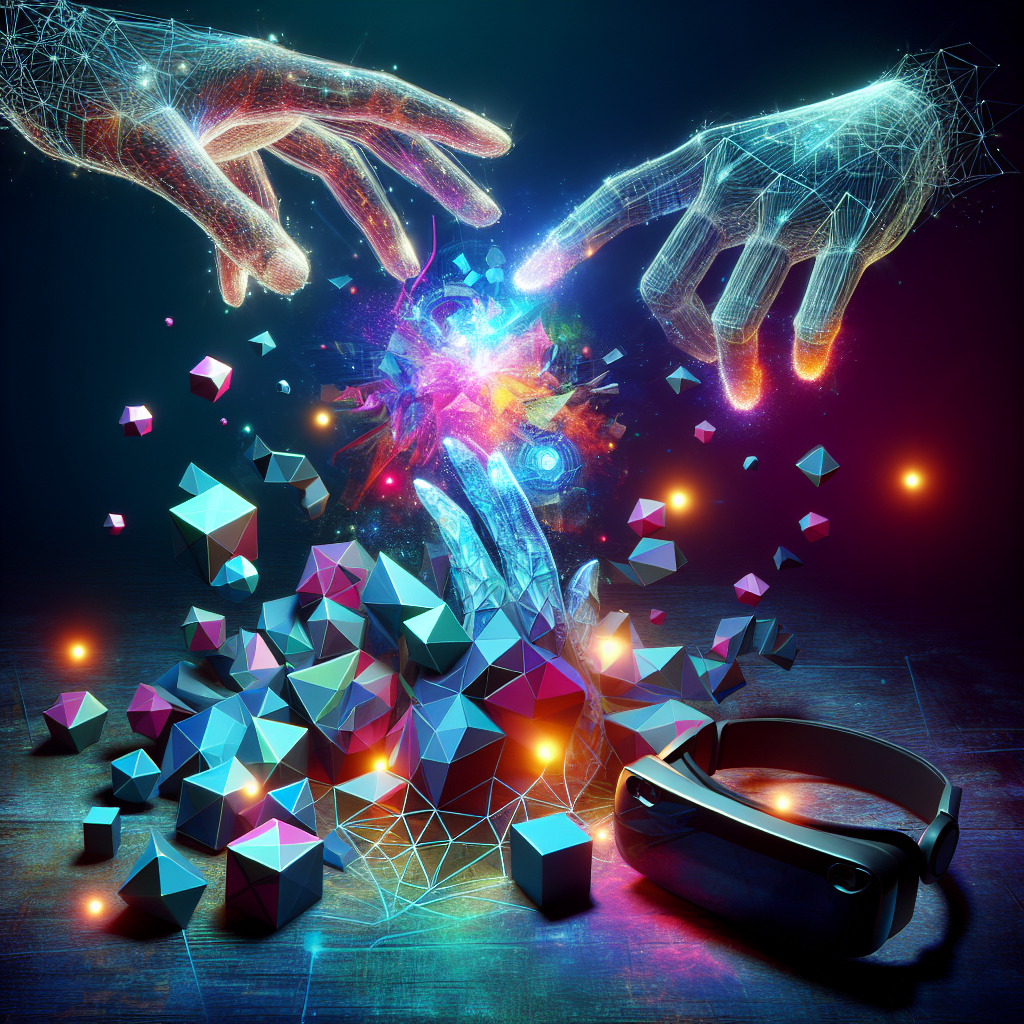
In a world where technology continues to evolve at breathtaking speed, the intersection of art and augmented reality (AR) is creating immersive experiences that challenge traditional perceptions of creativity and engagement. As artists explore new mediums and audiences seek deeper connections with art, augmented reality provides innovative tools that enhance and redefine our understanding of artistic expression.
The Evolution of Augmented Reality in Art
Augmented reality, which overlays digital content onto the physical world through devices like smartphones and AR glasses, has revolutionized how we interact with visual culture. Initially, AR applications were primarily used in gaming and advertising. However, artists recognized its potential to transform the viewer’s experience, creating works that extend beyond the canvas or sculpture.
Notable AR Art Projects
Several pioneering artists have embraced AR to elevate their work. For instance, Kara Walker, renowned for her provocative representations of race and gender, utilized AR to provide deeper context to her installations. Visitors could scan QR codes at her exhibitions to unveil additional digital layers, including animations and audio commentaries, enriching their understanding of her provocative themes.
Similarly, Jeff Koons integrated AR into his iconic balloon animals. When viewed through a specific app, these sculptures reveal hidden digital elements, adding an interactive layer that mesmerizes audiences. This blending of tangible and virtual art allows viewers to engage with the pieces on multiple levels.
Enhanced Viewer Interaction
One of the most compelling aspects of AR in art is the amplified interactivity it offers. Traditional art often engages viewers in a passive manner—standing back to admire a painting or sculptural form. In contrast, AR invites active participation. Viewers can manipulate digital aspects of an artwork, contributing to its interpretation and meaning.
For example, the Museum of Modern Art (MoMA) in New York recently launched an AR feature that lets visitors see an artwork’s history through their smartphones. By pointing their devices at specific pieces, they can view past exhibitions, artist interviews, and behind-the-scenes insights into the creative process. This level of engagement enriches the overall experience, fostering a deeper connection between the viewer and the artist.
Bridging Distance and Accessibility
In times of global crisis, such as the COVID-19 pandemic, AR has also played a crucial role in making art more accessible. Virtual exhibitions have surged, allowing people from around the world to experience artworks they might never reach in person. Artists have found creative solutions to present their work remotely, creating AR experiences that can be accessed from the comfort of home.
Companies like Kunstmatrix and Artivive have developed platforms that enable artists and galleries to host virtual exhibitions using AR technology. Viewers can navigate through these online spaces, interacting with artworks as if they were physically present. This democratization of art access not only fosters inclusivity but also amplifies the reach of artists’ voices and messages.
Challenges and Considerations
Despite the excitement surrounding AR in the art world, several challenges persist. The digital divide remains a significant hurdle: not everyone has access to the devices necessary to experience AR fully. Additionally, artists must grapple with designing experiences that maintain artistic integrity while leveraging the potential of technology. Striking the right balance between artistic vision and technological execution is crucial to ensure that the essence of the artwork remains intact.
Moreover, the ephemeral nature of digital art poses questions about preservation and ownership. As AR experiences can be easily updated or altered, the criteria for archiving and curating these works are still being defined.
The Future of Immersive Art Experiences
As technology continues to advance, the future of immersive art experiences appears boundless. Developments in artificial intelligence, virtual reality, and interactive installations will further enhance the interplay between physical and digital realms. The potential for collaboration between artists and technologists is noteworthy, leading to innovative projects that could redefine how we experience art.
The intersection of art and augmented reality not only enhances the way we create and perceive art but also reimagines the role of the audience in the artistic process. As we move forward, the dialogue around these transformative experiences will likely influence the evolution of both creative expression and technological advancement, shaping a new era of immersive art that invites everyone to participate.
In conclusion, immersive experiences at the crossroads of art and augmented reality represent a vibrant frontier of creativity. With each technological innovation, artists have the opportunity to expand their narratives and bridge the gap between diverse audiences, fostering a richer, more connected world where art transcends its traditional boundaries.


