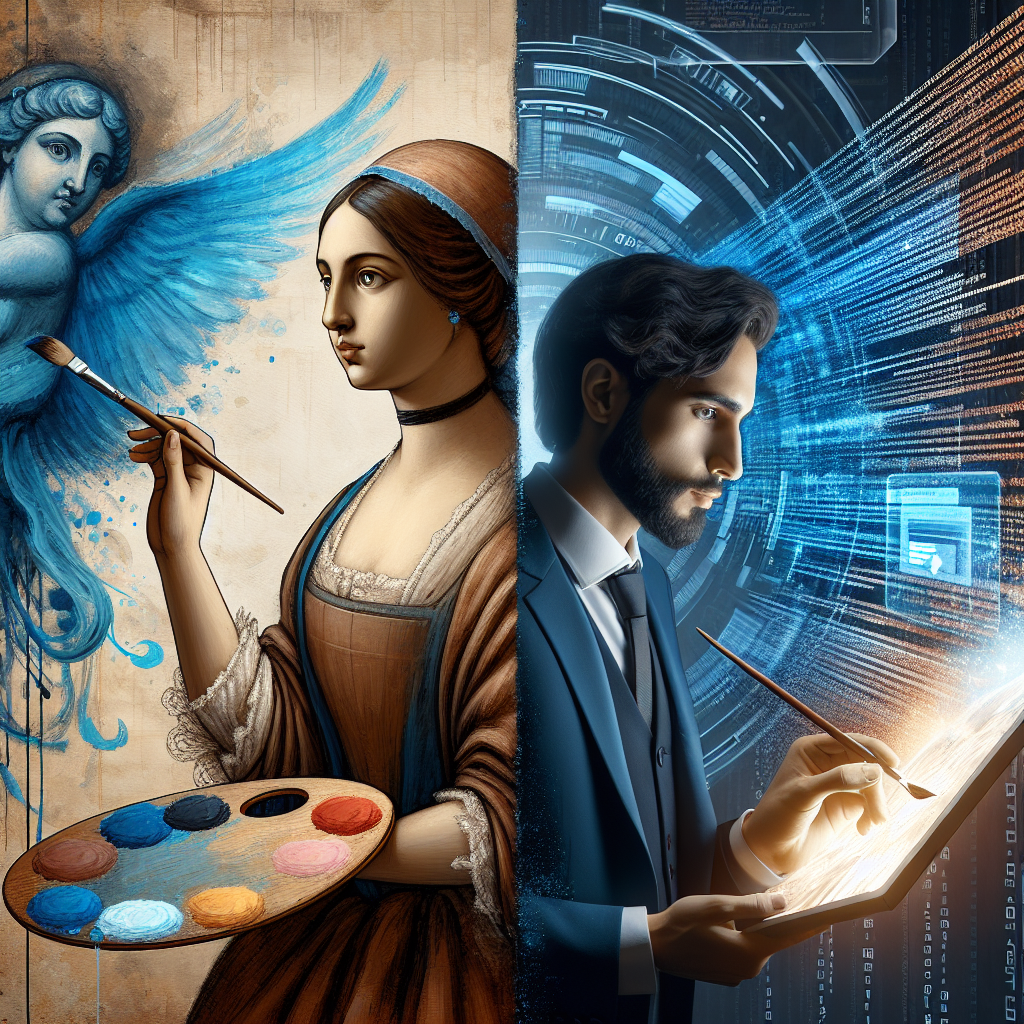
In an era dominated by technology, algorithms have begun to influence every facet of our lives, from how we consume information to how we connect with each other. One of the most intriguing developments in this landscape is the intersection of art and algorithms, which is transforming the way creative expression unfolds. This article explores how algorithms are reshaping the artistic landscape and what the future may hold for creators and audiences alike.
The Rise of Algorithm-Driven Art
Artificial intelligence (AI) and algorithmic programming have entered the realm of art, leading to the creation of pieces that blend human creativity with machine learning. Artists are now using code as a medium, generating works that are both innovative and reflective of our digital age. From generative art, which utilizes algorithms to create new, unique designs, to fully-fledged AI artworks, technology is enabling unprecedented forms of creative expression.
Case Studies in Algorithmic Art
-
Generative Art: Artists like Casey Reas and Joshua Davis use algorithms to produce visually fascinating pieces that can change in real-time or even generate infinite variations. This art form challenges traditional notions of originality and ownership, as each piece is often a unique byproduct of its algorithm.
-
AI-Generated Visuals: Programs such as DALL-E and Midjourney allow users to input simple text prompts, which the AI then translates into complex images. This democratizes art creation, enabling anyone with a concept to become an artist, albeit with a machine’s assistance.
-
Music and Sound: AI is also making waves in the music industry. Algorithms can analyze patterns in existing songs and create compositions that mimic or innovate on these patterns. The collaboration between human musicians and AI prompts questions about authorship and emotional connection in music.
The Impact on Artists and Audiences
The integration of algorithms into the art-making process has profound implications for both creators and consumers of art.
For Artists
-
Collaboration: Artists can now partner with algorithms to expand their creative horizons. This partnership allows for the exploration of new techniques and styles that may not have been possible through traditional mediums alone.
-
Accessibility: Tools powered by AI make art more accessible, allowing those without traditional training to create visually compelling pieces. This democratization encourages a wider range of voices and perspectives in the art world.
-
Conceptual Challenges: Traditional definitions of art are challenged as algorithmic creations raise questions about authorship and authenticity. If an algorithm generates a piece of art, who is the true artist—the programmer, the user, or the machine?
For Audiences
-
Interactivity: Algorithmic art often involves audience interaction, challenging the passive experience of viewing art. Interactive installations and digital experiences allow audiences to engage with art in dynamic ways, altering their understanding of artistic expression.
-
Personalization: With algorithms, art can be tailored to personal preferences. Customized experiences based on data analysis create a more intimate relationship between the viewer and the artwork, leading to deeper emotional connections.
Ethical Considerations
Despite the transformative potential of algorithmic art, challenges arise concerning ethics and accountability. Issues surrounding copyright, data privacy, and representation must be addressed as AI-generated art becomes more prevalent. The potential for bias in algorithms can also lead to a homogenization of creative output—raising concerns that art may lose its diversity and cultural relevance.
The Future of Creative Expression
As we move further into the age of algorithms, the future of creative expression is both exciting and uncertain. The blending of art and technology offers boundless opportunities for innovation, yet it also prompts critical reflections on what it means to be an artist and a consumer of art.
-
Future Collaborations: We can expect to see more artists embracing AI and algorithm-driven tools, leading to a new wave of hybrid art forms that merge technology with traditional practices.
-
Cultural Shifts: As algorithmic art gains recognition, audiences may come to value and appreciate the unique properties of algorithmically generated works, potentially shifting cultural perceptions of creativity itself.
-
Sustainability and Responsibility: The art community will need to address the environmental implications of technology use in art-making, focusing on sustainable practices that honor both the planet and the artistic process.
In conclusion, the intersection of art and algorithms represents a profound evolution in creative expression. As artists and audiences navigate this new landscape, the potential for innovation is limitless, heralding a future where technology and humanity coalesce in the realm of artistic endeavor. The journey forward will require us to embrace new ideas, confront ethical dilemmas, and celebrate the diverse tapestry of human expression that continues to enrich our world.