

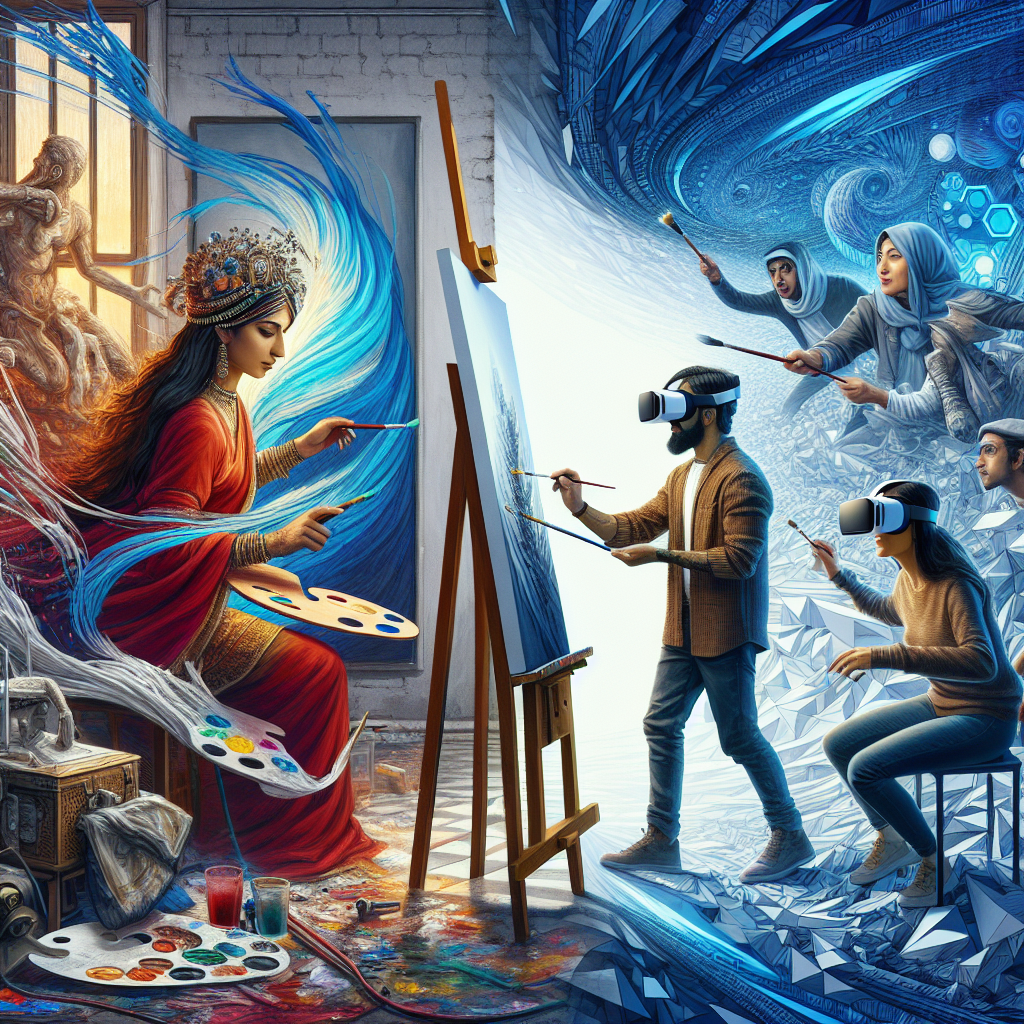
In recent years, the world of art has witnessed a transformative shift, largely driven by advancements in technology. Among the most revolutionary influences is Virtual Reality (VR), a medium that is reshaping how art is created, experienced, and understood. Immersive art installations, once limited to traditional galleries and physical spaces, are now expanding into virtual realms, offering audiences unique and interactive ways to engage with art.
The Convergence of Art and Technology
Historically, art has been a reflection of the times, evolving alongside technological advancements. From the invention of the printing press to the rise of digital photography, each leap in technology has opened new avenues for artistic expression. VR represents the latest frontier, merging visual creativity with the immersive possibilities of digital environments.
Artists are increasingly harnessing the capabilities of VR to create multi-sensory experiences that engage not only the eyes but also the mind and body. These experiences are not limited to mere visual displays; they often incorporate sound, touch, and even motion, enveloping the audience in a holistic environment that makes them active participants in the art.
Breaking Down Barriers
One of the most significant advantages of VR in the art world is its ability to democratize access to artistic experiences. Traditional art exhibitions often rely on physical space, which can limit accessibility for many. VR enables art lovers from different backgrounds and geographic locations to engage with artworks in a way that was previously unimaginable.
Globally, VR platforms can host virtual exhibitions where users can explore famous museums, attend curated shows, or interact with artists in real-time, all from the comfort of their homes. This has profound implications, particularly for marginalized communities who may not have the means to visit physical galleries or who have historically been excluded from the art world.
Artistic Expression Redefined
For artists, VR is not just a new canvas; it’s a transformative tool that expands creative possibilities. Sculptors can create three-dimensional works that exist solely in the digital space, while painters can manipulate environments and colors in real time. This shift encourages more experimentation and innovation, as artists are no longer confined to traditional mediums like canvas and metal.
Prominent VR artists like Jon Rafman and Marina Abramović have demonstrated how this technology can evoke powerful emotional responses. In Abramović’s VR piece, "The Life," viewers find themselves reflecting on their own existence and mortality in an environment that blurs the line between the real and the virtual. Such works challenge audiences to reconsider their perceptions of life, art, and existence.
Enhancing Engagement and Interaction
VR technology fosters deeper engagement by enabling interactivity. Instead of passively observing a piece of art, viewers can navigate environments, interact with elements, and even influence the artwork’s evolution. This level of participation fosters a personal connection between the audience and the art, creating a more profound experience.
Moreover, VR installations can include social dimensions, allowing users to share experiences with others, collaborate in real-time, or attend virtual events together. This interactivity enhances collective experiences, creating communities around shared artistic exploration.
The Future of Immersive Art
The potential for VR in the art world is vast and still largely untapped. As the technology improves and becomes more widely accessible, we can expect to see more innovative uses of VR in galleries, educational institutions, and public spaces. Institutions like museums and art schools are beginning to integrate VR into their programming, offering workshops and exhibits that emphasize this new medium.
As artists and technologists continue to experiment, the definitions of art, creativity, and engagement will undoubtedly evolve. The immaterial nature of VR challenges traditional notions of what art can be, pushing boundaries and inviting diverse forms of expression. From captivating narratives to interactive installations, the possibilities are endless.
Conclusion
In summary, VR is revolutionizing the art world, introducing immersive experiences that go beyond mere observation. By combining artistry with cutting-edge technology, VR is redefining how we conceive of and engage with art, making it more accessible, interactive, and emotionally resonant. As this exciting intersection continues to develop, the future of immersive art promises to inspire and challenge the artistic landscape, opening new horizons for both artists and audiences alike. The blend of reality and virtuality may just be the most thrilling chapter in the ongoing story of artistic expression.


