

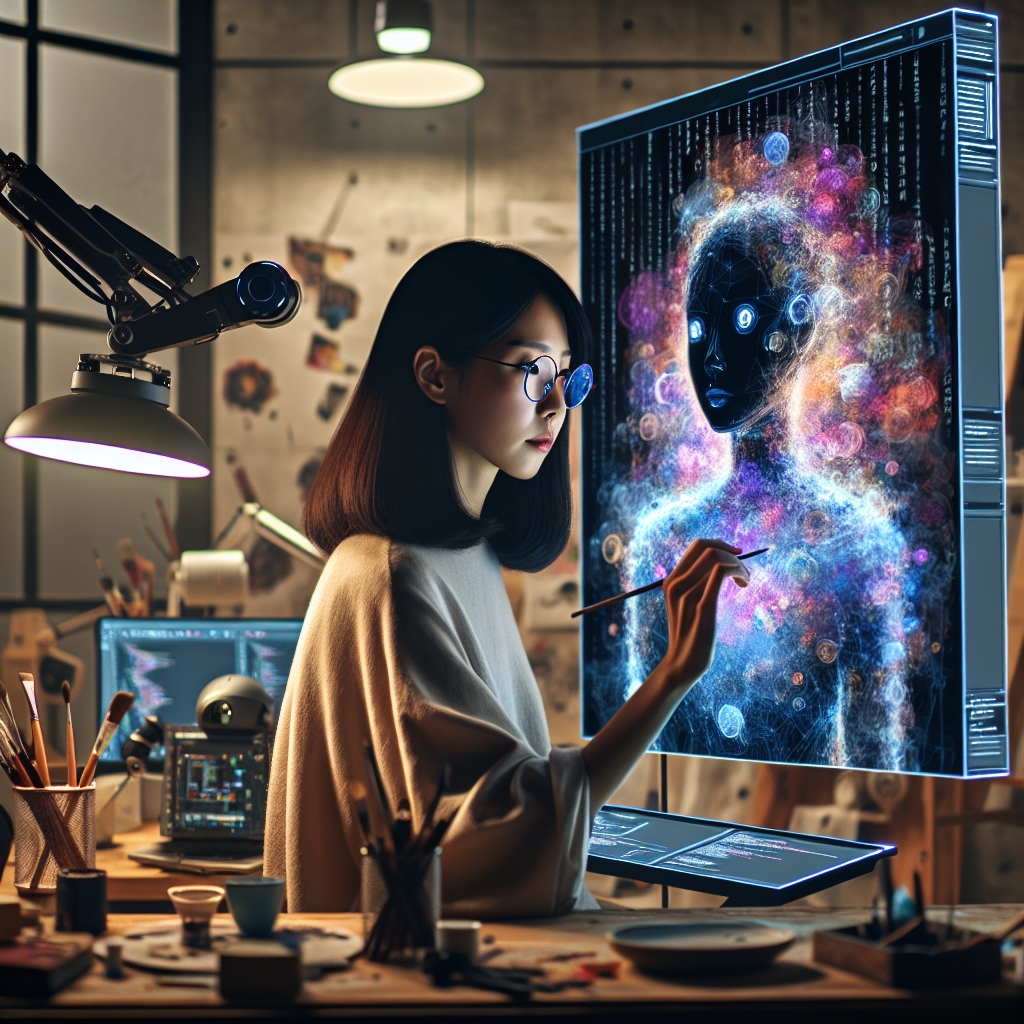
In an era where technology and creativity intertwine, a new movement is emerging at the intersection of art and programming. Artists today are expanding their creative horizons by utilizing coding and digital tools, transforming traditional forms of expression into innovative works that captivate and challenge perceptions. This convergence of art and technology is creating a dynamic and ever-evolving landscape, where imagination knows no bounds.
The Rise of Generative Art
Generative art is a prime example of how technology is influencing artistic expression. This genre harnesses algorithms to create unique, often unpredictable artworks. Artists like Casey Reas and Joshua Davis utilize code to generate visuals that evolve in real-time, blurring the lines between creator and creation. Each piece is a collaboration between the artist’s vision and the computer’s capabilities, leading to stunning results that are both complex and beautiful.
Reas, one of the co-founders of Processing—a popular programming language for visual artists—has demonstrated how digital tools can become mediums for creativity. His work celebrates the unpredictability of generative art, inviting viewers to explore the endless possibilities of algorithm-driven design.
Interactive Installations: A 360-Degree Experience
Interactive installations have transformed how we experience art. Utilizing sensors, projectors, and coding, contemporary artists create immersive environments that engage audiences on multiple levels. One standout is teamLab, a collective from Japan known for their breathtaking installations that blend light, sound, and viewer interaction. Visitors can walk through a digital landscape where their movements influence the artwork, creating a personal and ephemeral experience.
This shift towards interactivity not only enhances viewer engagement but also challenges the traditional notion of the artist as the sole creator. Audiences become participants, actively shaping their experiences and deepening their emotional connection to the art.
Virtual Reality and Augmented Reality
The advent of virtual reality (VR) and augmented reality (AR) has offered artists unprecedented opportunities to create in entirely new dimensions. Through VR, artists can construct immersive worlds that invite viewers to step inside their imaginative realms. This format allows for storytelling in a 3D space where users can interact with characters and environments in ways that were previously unimaginable.
In contrast, AR overlays digital elements onto the real world, creating a hybrid of physical and digital spaces. Artists like KAWS and Ai Weiwei have experimented with AR to extend the reach of their work, engaging a global audience through a simple mobile device. This democratization of art allows for broader access and interaction, breaking down traditional barriers to engagement.
The Role of Artificial Intelligence
Artificial intelligence (AI) is making waves in the art world, pushing the envelope on creativity and originality. Using machine learning algorithms, AI can analyze vast datasets of images, styles, and trends to generate new works that challenge human conceptions of creativity. Projects like OpenAI’s DALL-E and Google’s DeepDream are leading the charge, creating visuals that are both stunning and perplexing.
While some remain skeptical about the role of AI in art, many artists embrace it as a collaborative partner. The dialogue between human creativity and machine learning raises profound questions about authorship and originality, forcing us to rethink the nature of art in the digital age.
The Digital Art Market and NFTs
The rise of digital art has also catalyzed changes in the art market, exemplified by the popularity of non-fungible tokens (NFTs). This blockchain technology allows artists to sell digital works as unique, verifiable items, creating a new economic model for creators. The first NFT artwork sold by artist Beeple for over $69 million highlighted the potential of digital art as both an investment and a form of cultural expression.
As the NFT market matures, a diverse range of artists—ranging from traditional painters to digital creators—are exploring new ways to monetize their work and connect with audiences. This evolution fosters a new appreciation for art that challenges the notion of ownership and the value placed on creativity in a digital landscape.
The Future of Art in a Technological World
As we move forward, the fusion of art and technology will undoubtedly continue to evolve. Artists will continue to explore and transcend boundaries, integrating new tools and mediums to tell stories and express ideas in innovative ways. This evolution presents both challenges and opportunities, urging creators and audiences alike to rethink the role of art in society.
Through collaborations between artists and technologists, we may witness the emergence of entirely new forms of art that challenge our perceptions and expand our understanding of creativity. The journey from code to canvas is just beginning, and the exploration of this uncharted territory promises to be as exhilarating as it is transformative.
In the end, the melding of code and canvas serves as a reminder of the limitless possibilities that arise when creativity meets technology—inviting us all to reimagine what art can be in the ever-dynamic future.


