

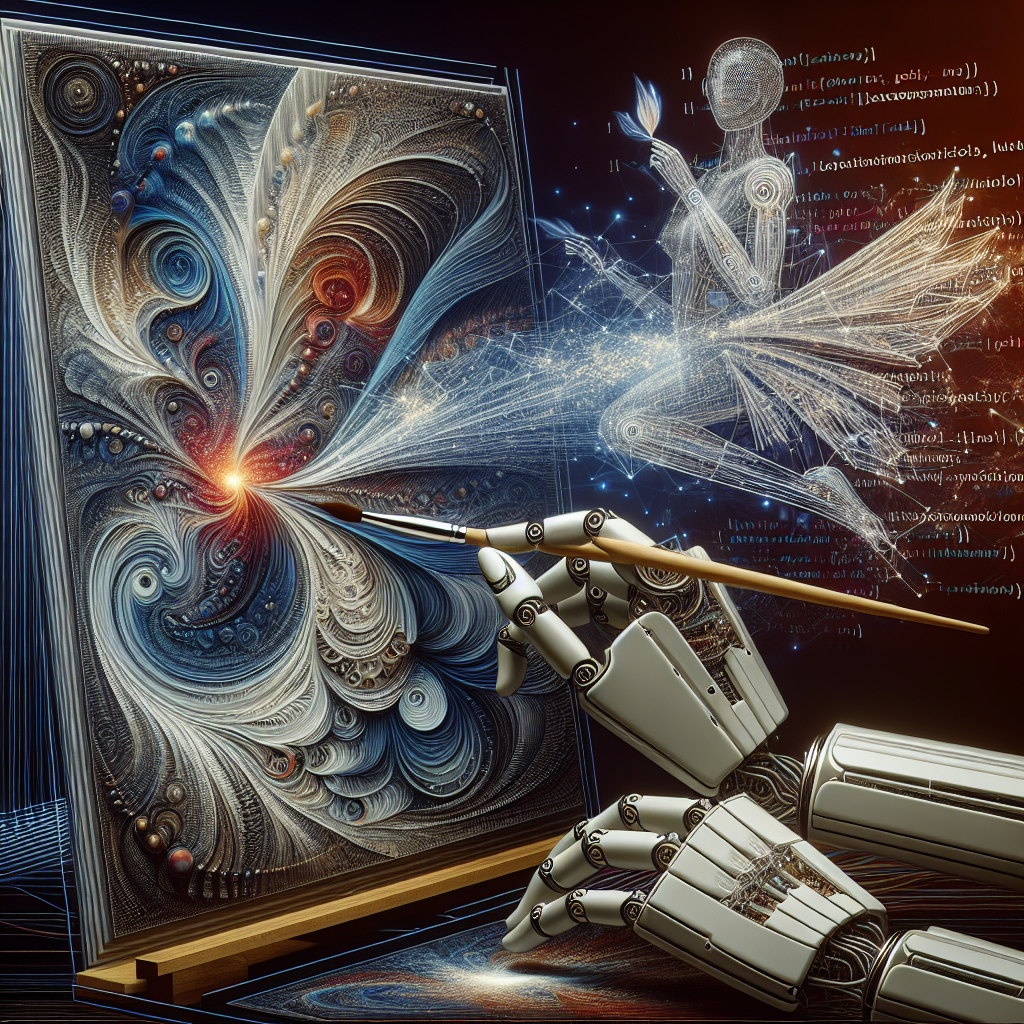
In recent years, the intersection of artificial intelligence and art has sparked a creative revolution, transforming how we explore artistic expression. Generative art software harnesses machine learning algorithms to create stunning visuals, allowing artists to push the boundaries of creativity. In this article, we delve into some of the top generative art software available today, enabling both seasoned artists and newcomers to harness the potential of AI in their work.
1. DeepArt
DeepArt employs deep learning algorithms to convert images into artworks inspired by famous styles. Users can upload their photos and select a particular artistic style—be it Van Gogh or Picasso—and see their images transformed. This software is renowned for its ability to maintain subject integrity while applying complex artistry, resulting in unique creations that resonate with both classic and contemporary art lovers.
2. Runway ML
Runway ML is a versatile platform that democratizes machine learning tools for artists and creators. It offers a wide range of AI models that can assist in video editing, image generation, and even 3D rendering. Its intuitive interface makes it accessible for those who may not have a technical background, allowing creative professionals to experiment with generative design without extensive coding knowledge.
3. Artbreeder
Artbreeder is an innovative online platform that allows users to create and remix images using a collaborative approach. By merging various artwork styles and adjusting parameters such as color, shape, and structure, users can produce entirely new visuals. This blending capability sparks endless possibilities, making it a popular choice for artists looking to explore unexpected combinations in their work.
4. Processing
Processing is an open-source programming language and environment designed for electronic arts and visual design. It allows users to create expressive works through code, making it a favorite among those wanting to delve deeper into the technical aspects of generative art. While it requires some coding knowledge, the flexibility of Processing enables artists to craft unique algorithms and interactions in their visuals.
5. Daz 3D
Daz 3D is a powerful 3D creation tool that allows artists to generate stunning visuals, animations, and illustrations. Using pre-made 3D models and assets, users can manipulate various aspects to create personalized art pieces. Coupled with AI integration for rendering and animation, it provides creatives the ability to produce intricate and detailed works efficiently.
6. NightCafe Studio
NightCafe Studio has become a favorite for generating AI art through neural networks. Users can create artwork from text prompts, choosing from various art styles to customize the output. Its community-driven approach encourages sharing and collaboration, making it an excellent platform for inspiration and feedback from fellow artists.
7. PaddlePaddle
For those interested in the AI behind art generation, PaddlePaddle is an open-source deep learning platform often used for image processing tasks. Although more technical in nature, it provides vast possibilities for creating tailored generative models, appealing to developers and tech-savvy artists looking to experiment with custom algorithms.
8. GANPaint Studio
Developed by MIT-IBM’s Watson AI Lab, GANPaint Studio utilizes Generative Adversarial Networks (GANs) to allow users to edit images interactively. By adding or removing elements from a scene, users can manipulate the artwork dynamically. This approach not only showcases AI’s creative potential but also allows artists to engage with art creation in real-time.
Conclusion
The convergence of AI and art opens up a world of possibilities for artists, designers, and creators. By embracing generative art software, they can explore new realms of creativity, breaking down the barriers between traditional and digital art forms. Whether you’re looking to transform your photographs, experiment with 3D modeling, or dive into coding for art generation, there’s a tool that can cater to your needs.
As technology and creativity continue to evolve hand in hand, the future of art looks more exciting than ever, inviting everyone to join the dialogue between human imagination and artificial intelligence. So grab your tools and start creating—who knows what incredible artwork lies just beyond the next click!


