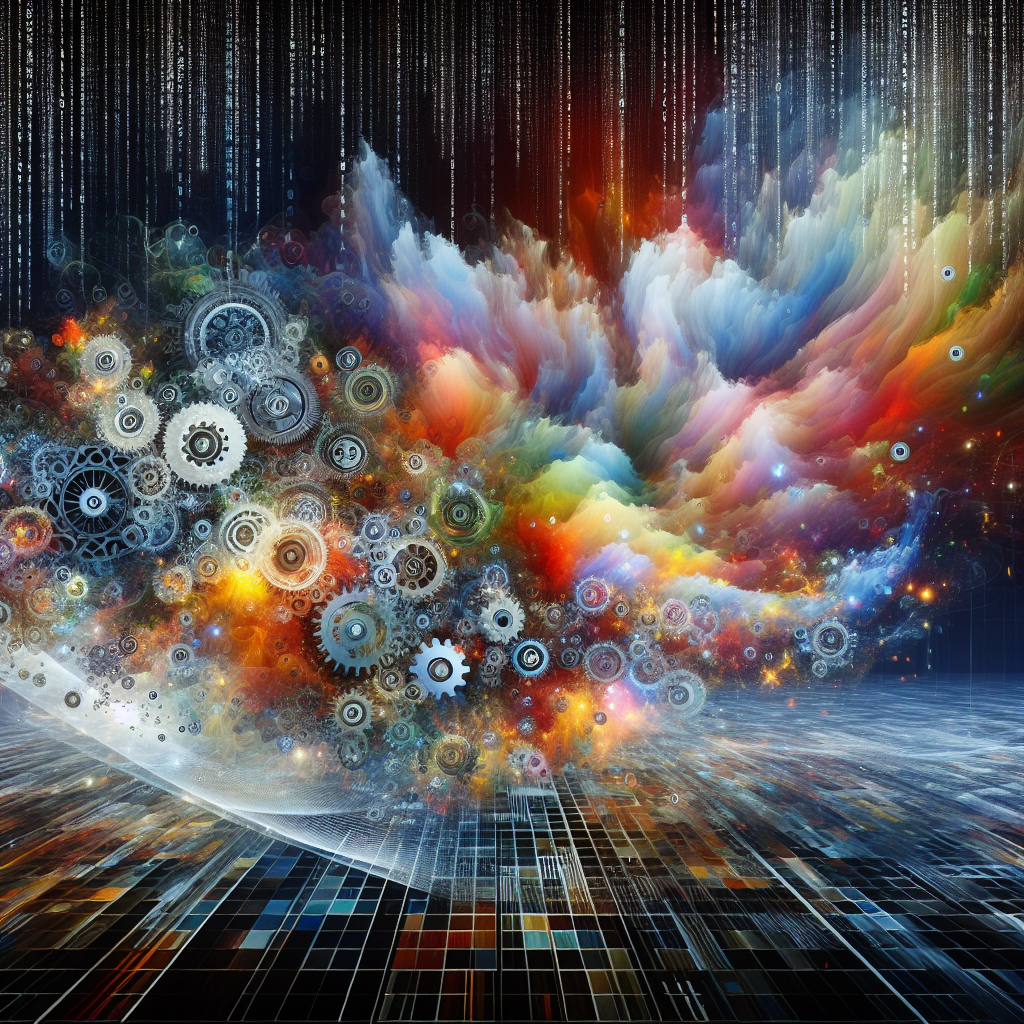
In the rapidly evolving landscape of modern art, technology has increasingly become a pivotal player. Among the various technological advancements, artificial intelligence (AI) stands out as a transformative force, reshaping how art is created, perceived, and critiqued. This article explores the intricate relationship between AI and the art world, highlighting how this intersection is reimagining creativity and challenging traditional norms.
A New Medium for Artists
Historically, artists have always embraced new tools that expand their creative horizons. From the invention of the camera to digital painting software, each technological leap has provided artists with fresh possibilities. Today, AI algorithms are emerging as innovative tools that allow artists to explore uncharted territories.
AI can generate unique artworks by analyzing vast datasets of existing art and then producing novel pieces that reflect various styles. Programs like DeepArt and DALL-E show how AI can transfuse creativity into visual art, generating everything from portraits to surreal landscapes. Artists can use AI not only to produce artworks but also as collaborators in the creative process, bringing forth new ideas and methods that challenge conventional aesthetics.
Redefining Creativity
The introduction of AI into the art realm raises profound questions about the nature of creativity. Traditionally, art has been seen as a deeply human endeavor, fueled by emotions, experiences, and individual expression. However, AI-generated art prompts a reevaluation of these notions. Can a machine really be creative? Or is it merely a sophisticated mimicry of the artistic process?
Critics argue that AI lacks the intrinsic understanding and emotional depth that define human artistry. Yet, supporters advocate for a broader definition of creativity, suggesting that collaboration between humans and machines might lead to hybrid forms of expression that are equally valuable. This interplay challenges artists to rethink their roles—not just as producers of art but as orchestrators of a collaborative dialogue with technology.
Art Market Dynamics
The impact of AI on the art market is palpable, leading to a reconfiguration of how artworks are valued and how artists reach audiences. AI-generated pieces have generated significant attention and financial success at art auctions, blurring the lines between traditional and digital art markets. Artists such as Refik Anadol and Mario Klingemann have gained international acclaim for their AI works, pushing the boundaries of what constitutes "art" in a commercial sense.
Additionally, platforms like Artblock and Obvious leverage blockchain technology to create and sell AI-generated artworks as NFTs (non-fungible tokens). This democratization of art ownership enables a broader audience to engage with art in innovative ways, marking a shift from exclusive ownership to collective experiences.
Ethical Considerations and Challenges
As AI permeates the art world, it also surfaces ethical dilemmas that cannot be ignored. Questions of authorship, originality, and copyright arise: Can an AI be the "artist"? Who owns a piece created by an algorithm? Furthermore, the source data used to train AI models can carry biases, reflecting societal stereotypes that perpetuate existing inequalities in representation.
The conversation around these challenges is vital for shaping the future of art in an AI-driven age. Various stakeholders, including artists, technologists, and policymakers, must engage in dialogue to establish ethical frameworks that honor creativity while mitigating potential harms.
The Future of Art
The relationship between AI and art is still in its infancy, but the trajectory is clear: AI will continue to evolve and influence artistic practice. Emerging technologies such as virtual reality (VR) and augmented reality (AR) are set to further revolutionize how we experience art, creating immersive experiences that transcend traditional boundaries.
As AI continues to develop, its integration into art will likely spark new genres and movements, mirroring historical patterns where technology has catalyzed artistic evolution. Artists of the future may not only create with AI but also explore its potential as a medium for storytelling and emotion, crafting narratives that resonate beyond conventional formats.
Conclusion
AI’s role in modern art is a testament to the dynamic interplay between technology and imagination. As artists harness the power of AI, they expand creative possibilities, challenge traditional norms, and redefine what it means to create. While various ethical considerations must be addressed, the future promises a rich tapestry of artistic expressions that reflect the collaborative spirit between human ingenuity and artificial intelligence. The intersection of tech and imagination is only just beginning, inviting all to engage with the ever-evolving world of art.