

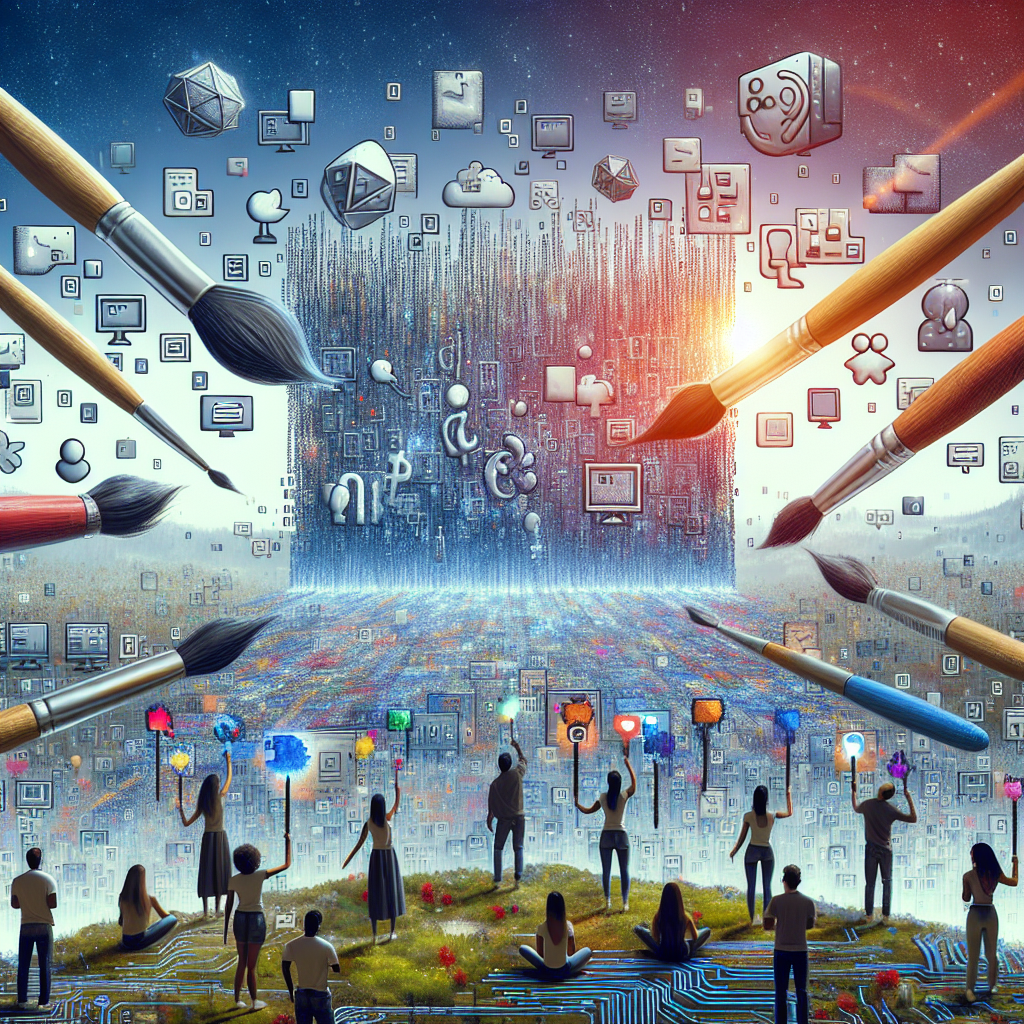
In an era where technology permeates every aspect of our lives, the artistic landscape is undergoing a seismic shift. Digital media is not merely an extension of traditional art forms; it is fundamentally redefining how we create, experience, and engage with art. From virtual reality (VR) installations to interactive multimedia performances, artists are exploring new frontiers that challenge our perceptions and broaden the scope of artistic expression. This article delves into the myriad ways digital media is transforming the art world.
The Democratization of Art
One of the most profound impacts of digital media is its ability to democratize art. The barriers traditionally separating artists from audiences and creators from consumers have diminished significantly. With platforms like Instagram, TikTok, and DeviantArt, aspiring artists can showcase their work to a global audience without the need for galleries or established industry connections. This shift not only allows for diverse voices to emerge but also encourages experimentation and collaboration across geographic and cultural boundaries.
Interactivity and Audience Engagement
Digital media invites audiences to engage with art in unprecedented ways. Interactive installations—those utilizing touchscreens, sensors, and even augmented reality—encourage viewers to become active participants rather than passive observers. This interactivity transforms the viewing experience, allowing individuals to influence outcomes or narratives. For instance, immersive VR exhibitions let participants step into virtual worlds, feeling a sense of agency that traditional art forms often lack.
New Mediums and Techniques
Emerging technologies such as 3D printing, motion capture, and artificial intelligence are redefining the mediums available to artists. Graphic artists now harness software like Adobe Creative Suite or OpenCanvas to manipulate images with unparalleled precision, while musicians collaborate online through platforms like Soundtrap or Splice. Artists are also turning to AI as a co-creator, using algorithms to generate visuals or music that challenge conventional definitions of authorship. Innovations like these not only expand artistic possibilities but also provoke questions about creativity and originality.
Challenges of Authenticity and Ownership
As digital art gains prominence, it brings with it challenges related to authenticity and ownership. The ease with which digital works can be copied and shared raises concerns about copyright infringement. Additionally, the rise of non-fungible tokens (NFTs) has sparked debates about the nature of ownership in a digital age. Artists must navigate this new terrain, seeking balance between the benefits of widespread distribution and the protection of their intellectual property.
The Role of Social Media
Social media has become an integral part of the artistic ecosystem. Artists use these platforms not only to showcase their work but also to build communities around shared interests and concerns. Hashtags and online challenges can amplify visibility, fostering connections among artists and audiences. Furthermore, social media democratizes art criticism; everyone can contribute their perspectives and insights, leading to richer discussions and fostering an inclusive dialogue about art.
The Future of Artistic Expression
Looking ahead, digital media will continue to shape the landscape of artistic expression. As technologies evolve, artists will push boundaries, exploring the emotional and conceptual depths of new mediums. We can anticipate more collaborations between artists and technologists, resulting in innovative works that challenge societal norms and provoke thought.
Moreover, as art becomes increasingly virtual, the definition of what constitutes "place" will expand. Virtual galleries and online exhibitions may create new forms of artistic communities, transcending physical limitations and offering fresh venues for expression. The future promises to be vibrant, dynamic, and ever-evolving—a testament to the ingenuity of human creativity.
Conclusion
Digital media is not merely a tool for artists; it is an enabler of new modes of thinking, feeling, and connecting. By redefining artistic expression, it challenges our notions of creativity, authorship, and community. As we continue to navigate this digital frontier, the art world is set to flourish in ways we can only begin to imagine, ensuring that artistic expression remains a vital part of the human experience. The journey is just beginning, and the possibilities are boundless.


