

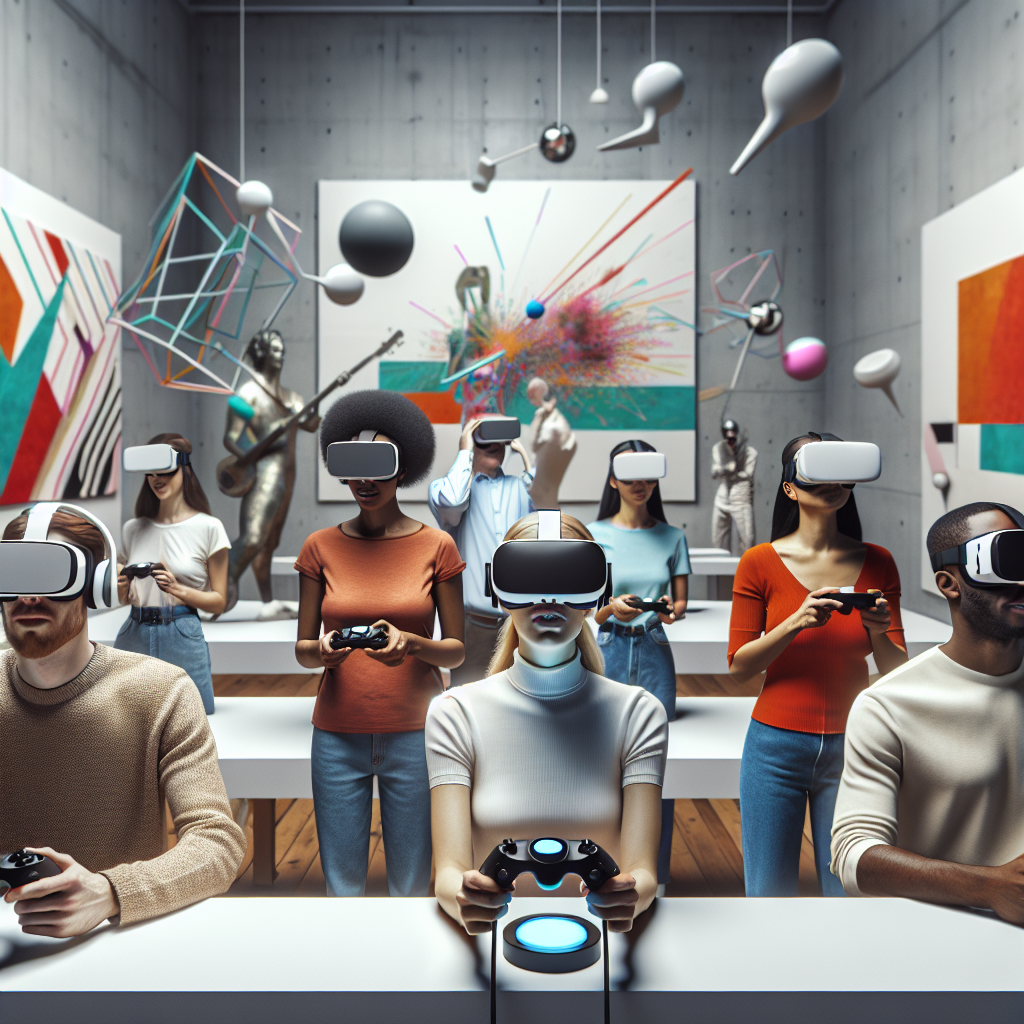
As technology advances, so too does our understanding and appreciation of art. One of the most significant developments in recent years is the rise of Virtual Reality (VR), which is transforming the way both artists and audiences experience art. No longer confined to the walls of galleries or museums, art is stepping into the digital realm, offering immersive experiences that engage the senses and provoke thought.
The Emergence of Virtual Reality in Art
Virtual Reality, a technology that creates simulated experiences through computer-generated environments, has opened new avenues for artists. This evolution started gaining traction in the late 20th century but has surged in popularity thanks to advancements in technology and the accessibility of VR headsets. Today, artists from various disciplines are experimenting with VR to create unique, interactive pieces that challenge traditional notions of art.
Artists Pioneering VR Art
Several pioneering artists are at the forefront of this revolution. Notable figures like Marina Abramović have begun incorporating VR into their work, creating pieces that allow viewers to participate in the experience rather than merely observe. Abramović’s “The Life” immerses participants in a deeply personal exploration that transcends physical boundaries.
Another influential artist is Jon Rafman, who uses VR to explore themes of technology and its impact on the human experience. His work often juxtaposes reality with digital landscapes, inviting viewers to reflect on their own relationship with technology.
Creating Immersion: The Experience
One of the most compelling aspects of VR is its ability to create a sense of presence. Unlike traditional art forms, VR allows users to step into an entirely different world. Visitors can walk through a virtual gallery, interact with sculptures, or even become part of the artwork itself. This level of interaction fosters a personal connection between the audience and the art—one that is often lacking in conventional settings.
Emotional Resonance and Introspection
VR art experiences are not just visually stunning; they also evoke deep emotional responses. For instance, VR installations like "Tree" by Marshmallow Laser Feast allow participants to embody the perspective of a tree, experiencing the passage of time and the intricacies of nature like never before. Such experiences encourage introspection and a reevaluation of our relationship with the environment.
The Role of Technology and Accessibility
The rise of affordable VR devices, like the Oculus Quest and HTC Vive, has democratized access to this art form. Now, artists can share their work with a global audience beyond the confines of physical spaces. Online platforms, such as Viveport and Oculus Gallery, are emerging, providing artists the opportunity to showcase their VR art to a wider public. This shift not only enhances visibility but also encourages collaboration between artists across the world.
Challenges Ahead
Despite its potential, the integration of VR in the art world isn’t without challenges. Technical issues, such as hardware limitations and the need for specific skills to create immersive experiences, can be barriers. Additionally, the ephemeral nature of digital art raises questions about preservation and ownership. How can we ensure that these experiences remain accessible and relevant in the future?
The Future of VR Art
As technology continues to evolve, the future of VR in the art world looks promising. We can expect more immersive storytelling experiences that blur the lines between reality and digital art, creating new dialogues around contemporary issues. Furthermore, VR might integrate with AI and machine learning, further transforming how art is created and experienced.
Conclusion
The rise of Virtual Reality is reshaping the landscape of art, making it more immersive and interactive than ever before. As artists experiment with this medium, audiences are encouraged to engage with art in new and meaningful ways. This transformation holds the potential not only to enhance our appreciation of art but also to foster a deeper understanding of ourselves and the ever-changing world around us. As we stand on the cusp of this exciting frontier, the possibilities for VR art are limitless.


