

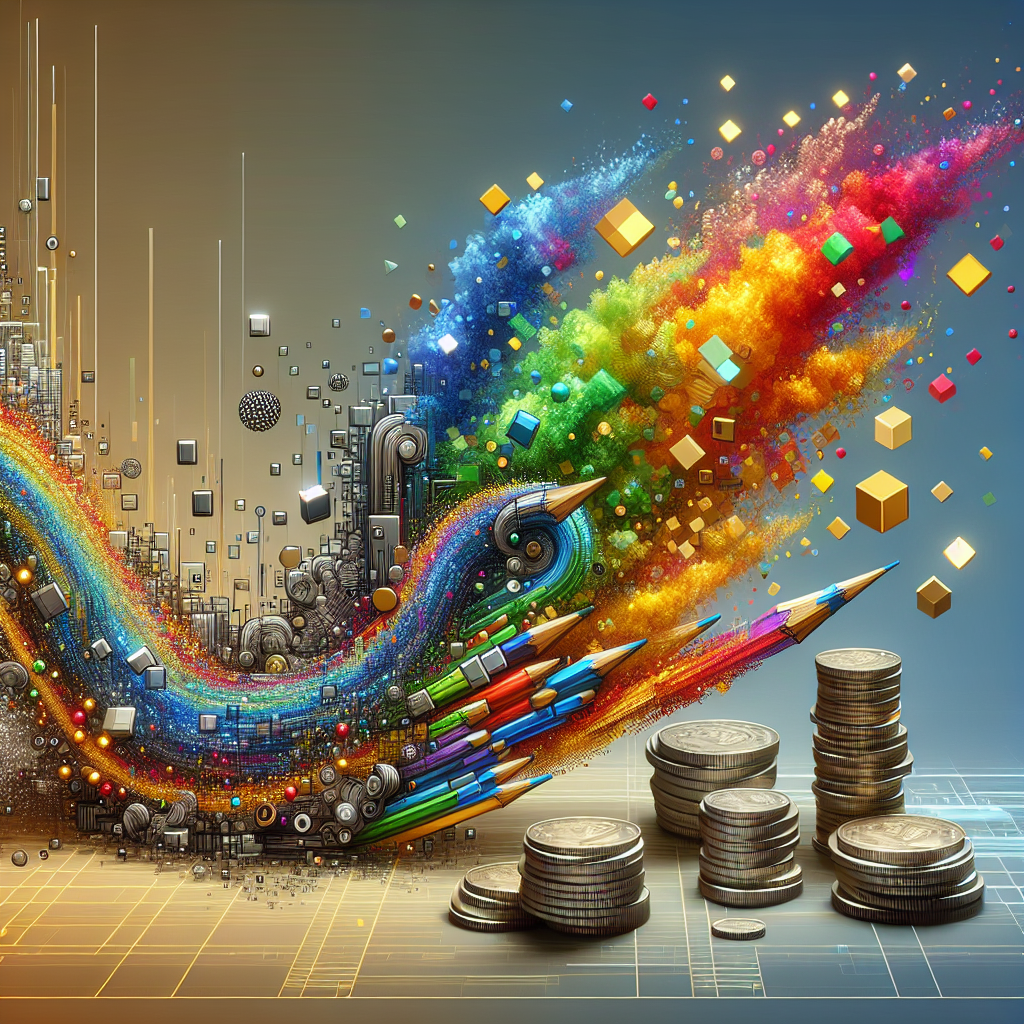
In the ever-evolving landscape of technology and creativity, one phenomenon has captured the imagination of both artists and investors alike: Non-Fungible Tokens (NFTs). This digital revolution has transformed how we conceive art, ownership, and profitability, effectively bringing traditional art commerce into the blockchain era. This article delves into the rise of NFT art and its implications for the art community and the economy at large.
Understanding NFTs
At its core, a Non-Fungible Token is a unique digital asset that represents ownership of a specific item or piece of content, securely recorded on a blockchain. Unlike cryptocurrencies like Bitcoin or Ethereum, which are fungible and can be exchanged for one another, NFTs are indivisible and irreplicable, giving them significant value. They can represent anything from digital artwork and music to virtual real estate and in-game assets, but they are particularly popular in the art world.
The Surge of Digital Art
The onset of the digital age has brought about a significant shift in how art is created and consumed. While traditional forms of art, such as painting or sculpture, have long been revered, digital art has emerged as a legitimate medium. With the rise of high-speed internet and sophisticated software tools, digital artists can create breathtaking pieces that can be easily shared and distributed.
Despite this, digital art has struggled to command the same respect and monetary value as traditional art forms due to issues of ownership and authenticity. This is where NFTs come into play, providing a solution for artists and collectors alike.
Empowering Artists and Creators
One of the most transformative aspects of NFTs is their ability to empower artists. By minting their digital creations as NFTs, artists can assert ownership and sell their work directly to consumers without the need for intermediaries such as galleries or auction houses. This not only maximizes their potential profits but also allows for complete creative control.
Moreover, NFTs can incorporate smart contracts—self-executing contracts with terms directly written into code. This means artists can earn royalties every time their work is resold, creating a steady income stream that was often unavailable in traditional art sales. As a result, many emerging artists are finding financial success in ways previously unheard of.
The Impact on Collectors
For collectors, NFTs present a new frontier for investment. Owning an NFT means having a verified piece of digital art that can appreciate in value over time. The ability to showcase this art in virtual galleries or even within the metaverse adds a layer of desirability for collectors who crave exclusivity.
However, the NFT market is also rife with speculation. Some early adopters have made headlines with multimillion-dollar sales, leading to concerns about market volatility and the sustainability of these valuations. Investors are often urged to conduct thorough research before diving into this nascent market.
Environmental Concerns
Despite the allure of NFTs, the technology has faced significant criticism, particularly regarding its environmental impact. The majority of NFTs are minted on Ethereum, which has historically relied on energy-intensive proof-of-work protocols. This has led to debates about the carbon footprint of blockchain technology in general.
In response, many in the crypto community are exploring more sustainable alternatives, including Ethereum’s shift to proof-of-stake and the emergence of eco-friendly blockchains. These solutions aim to create a more responsible framework for the flourishing NFT ecosystem.
Looking Forward
The future of NFT art seems promising, with several trends emerging. We’re witnessing collaborations between traditional artists and digital creators, the integration of augmented reality in showcasing art, and even the rise of community-centered NFT projects. As more individuals and institutions recognize the value of digital assets, the market is likely to expand even further.
Furthermore, mainstream platforms like Twitter and Instagram are exploring ways to integrate NFTs into their services, signaling a shift toward widespread acceptance of digital ownership.
Conclusion
The rise of NFT art exemplifies a seismic shift in the intersection of technology, creativity, and commerce. While challenges such as environmental concerns and market volatility remain, the potential for innovation and empowerment in the artistic community is undeniable. As we navigate this digital age, the narrative around art is transforming—from mere pixels on a screen to tangible profits for creators and collectors alike. Whether you’re an artist, collector, or simply curious about this trend, understanding NFTs and their implications may be key to navigating the new world of art in the digital age.


