

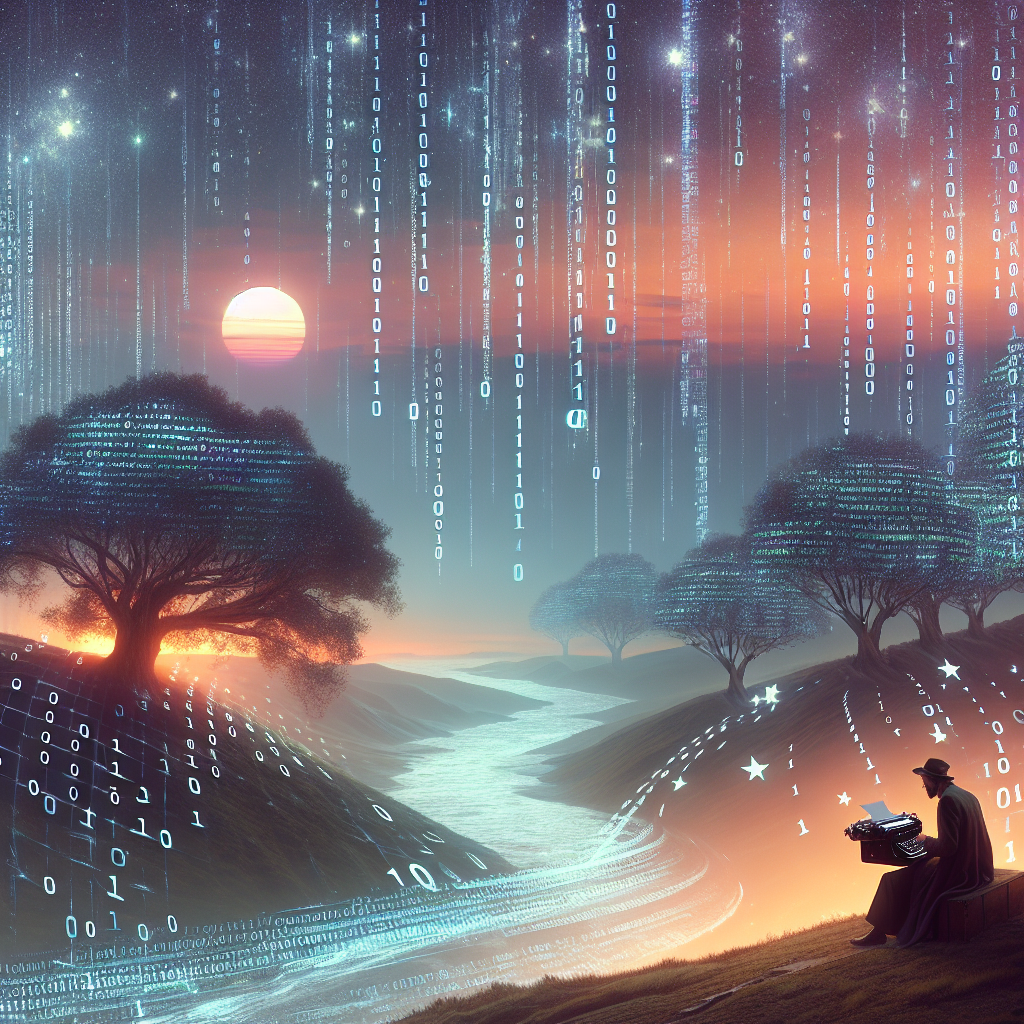
In an era where technology permeates every aspect of our lives, the intersection of art and code offers a rich canvas for innovation. The fusion of pixels and poetry exemplifies how digital artistry can harmonize with literary expression, blurring the lines between traditional forms of creativity and modern technological approaches. This article delves into the emerging realm of digital poetry, its impact on artistic expression, and the ways in which coding elevates the poetic experience.
The Digital Canvas
Digital art has taken many forms, from digital painting to video installations. Poetry, too, has adapted to this evolving landscape. With the advent of programming languages and creative software tools, poets now have the ability to manipulate text in visually engaging ways. Platforms like Twine, Processing, and even HTML enable poets to create immersive, interactive experiences that challenge conventional reading. The interplay of code allows for dynamic presentations where words come alive, transforming static text into a lively narrative.
Visual Poetry: More than Words
Visual poetry is a significant subset of this fusion, where the arrangement and presentation of words contribute to the meaning and emotional impact of the piece. Such poems have traditionally been designed on paper, but digital tools open new avenues for exploration.
Imagine a piece where words morph and shift on the screen, reacting to user input or environmental data. A digital poem could change in real-time, influenced by elements such as the time of day, weather conditions, or even user interactions. This innovation generates an evolving dialogue between technology and artistic expression, shifting the role of the audience from passive reader to active participant.
Code as a Creative Medium
At the heart of this artistic revolution lies code. Programming is not solely a technical skill; it is also a creative medium that permits expression in unique and powerful ways. Just as a paintbrush can convey emotions through strokes, code can articulate feelings through algorithms and logic.
For instance, poets can leverage generative algorithms to produce unique text compositions, exploring the randomness of words or phrases. This technique invites unpredictability, allowing for surprising juxtapositions and bold creative choices. The integration of natural language processing (NLP) technologies can further enhance this experience, generating responses or creating new poetry based on an input prompt.
Collaborative Creativity
The overlap of pixels and poetry is not just an individual effort. Online platforms increasingly enable collaboration among poets, coders, and artists. Initiatives like Hackathons and creative coding workshops encourage interdisciplinary collaboration, fostering a community that thrives on shared creativity.
Creative partnerships can result in stunning pieces that might not be possible within the confines of a single discipline. By working together, artists can explore novel ways to combine language, visuals, and sound, resulting in rich multimedia experiences that engage the senses.
Challenges and Considerations
While the fusion of code and creativity opens exciting possibilities, it also presents challenges. Digital literacy remains a barrier for many poets who may not be familiar with programming languages. The learning curve can be daunting, but numerous resources and communities are emerging to bridge this gap.
Moreover, the ephemeral nature of digital art raises questions about preservation and access. What does it mean for a poem to exist solely online? As technology evolves, how can we ensure that these digital chapbooks and installations remain accessible to future generations?
The Future of Pixels and Poetry
The integration of pixels and poetry is still in its infancy, but its potential is vast. As technology continues to evolve, so too will the possibilities for artistic expression. The fusion of code and creativity will inevitably lead to new forms of storytelling, interactive experiences, and challenging narratives that reflect our digital age.
As we embrace this fusion, we must also celebrate the diverse voices contributing to this rich landscape. The marriage of art and technology provides a unique platform for self-expression, catalyzing fresh dialogues about identity, culture, and the human experience.
In this ever-evolving landscape of digital creativity, the pixels will continue to dance, and the poetry will resonate, capturing the complexity of our shared digital existence. Through this synthesis, we witness not just the transformation of poetic form, but a redefinition of what it means to create in the modern world.


