

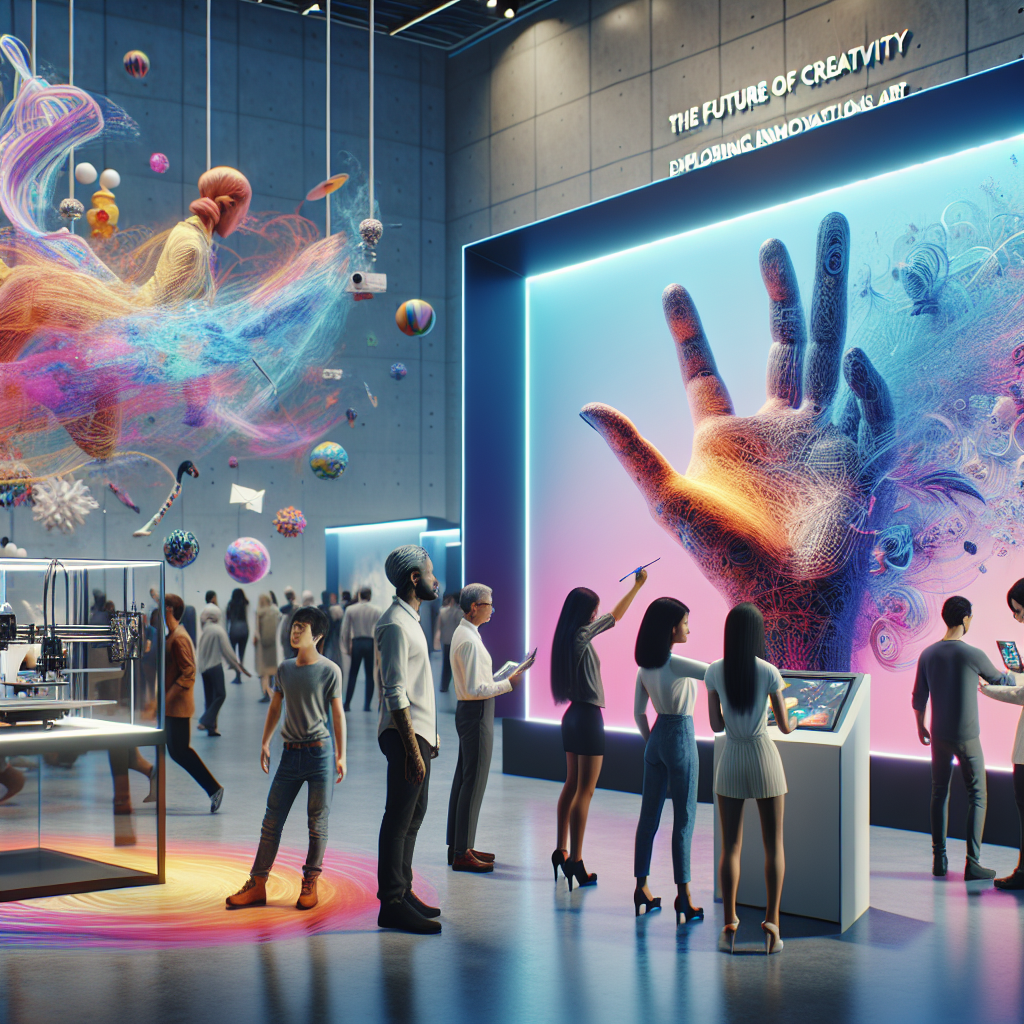
As we step further into the 21st century, the intersection of technology and creativity is creating unparalleled opportunities for artistic expression. Interactive art, which engages viewers not just visually but also emotionally and mentally, is at the forefront of this evolution. Innovations in this realm are transforming how we perceive art, how we create it, and how we experience it. This article explores key trends and future possibilities in the world of interactive art.
Emergence of Immersive Technologies
Virtual Reality (VR) and Augmented Reality (AR)
One of the most significant innovations driving interactive art is the integration of virtual and augmented reality. These immersive technologies allow artists to create environments that transcend traditional boundaries. With VR, viewers can step into a fully realized 3D world—experiencing art in a manner that is dynamic and personal. For example, VR installations allow users to interact with elements within a digital landscape, engaging in stories and experiences that would have been impossible to convey through conventional means.
AR, on the other hand, merges art with our physical surroundings. Artists can create digital overlays that enhance real-world locations. For instance, public murals might spring to life through AR applications, allowing viewers to see animations or additional layers of information, thus enriching their understanding of the piece.
Generative Art and AI
Artificial intelligence is another game-changer in the interactive art space. Generative art, created algorithmically, offers endless possibilities for artistic expression. Artists use algorithms and data inputs to produce artwork that evolves over time or in response to audience interactions. This kind of art challenges traditional notions of authorship and creativity, as the artwork can continuously change based on its environment or audience interactions.
AI tools can also assist artists in their creative processes, making sophisticated styles accessible to those who may not have traditional training. This democratization of art opens up new avenues for creativity, allowing anyone with an idea to produce compelling works.
Interactivity and Audience Engagement
Participatory Installations
One of the most exciting aspects of interactive art is its ability to engage audiences actively. Participatory installations require viewers to physically or emotionally contribute to the artwork, transforming them from passive observers into active participants. Museums and galleries are increasingly embracing this approach, creating environments where visitors can influence the narrative or aesthetic of the art they encounter.
For example, interactive light installations may respond to the movement of visitors, evolving in real-time based on foot traffic. This not only enhances viewer engagement but also fosters a sense of community as individuals contribute to a collective experience.
Blockchain and Digital Ownership
As interactive art becomes more digitally focused, issues of ownership and provenance are coming to the forefront. Blockchain technology is offering new solutions for artists and collectors alike. Non-fungible tokens (NFTs) provide a way for artists to tokenize their work, ensuring authenticity and establishing a direct connection between the creator and the audience.
This has significant implications for interactive art, where the experience itself can be owned or shared. Artists can create limited-edition interactive pieces that can be bought, sold, or traded while retaining certain rights to the underlying creative work. This shift not only empowers artists financially but also invites audiences to engage with art in novel ways.
Future Trends and Considerations
Sustainability and Environmental Impact
As environmental awareness grows, artists are increasingly focusing on sustainable practices in their work. Future innovations in interactive art will likely involve eco-friendly materials and methods. Artists might use recycled or biodegradable components in their installations or leverage digital mediums to minimize waste. Moreover, they can engage audiences by raising awareness about environmental issues through their interactive works, prompting dialogue and reflection on sustainability.
Emotional and Social Impact
As technology advances, the emotional depth of interactive art is expected to deepen as well. Artists are exploring how interactive methods can evoke real emotional responses, using sound, light, and movement to amplify the viewer’s experience. Future works may incorporate biometric sensors that respond to viewers’ emotional states, creating personalized experiences that resonate on a deeper level.
Additionally, social issues are becoming vital themes in interactive art. Artists can utilize technology to address pressing societal matters, encouraging empathy and awareness through immersive narratives that compel audiences to reflect on their perspectives and actions.
Conclusion
The future of creativity in interactive art is bright and filled with possibilities. With the emergence of immersive technologies, AI, participatory installations, and an emphasis on sustainability and emotional impact, artists are redefining what it means to create and experience art. As we embrace these innovations, the boundaries of creativity will continue to expand, paving the way for a world where art is not just observed but experienced, participated in, and shared in profoundly transformative ways.
As we look ahead, one thing is certain: the dialogue between technology and art will only grow richer, inspiring new generations of artists and audiences to explore the limitless horizons of creativity.


