

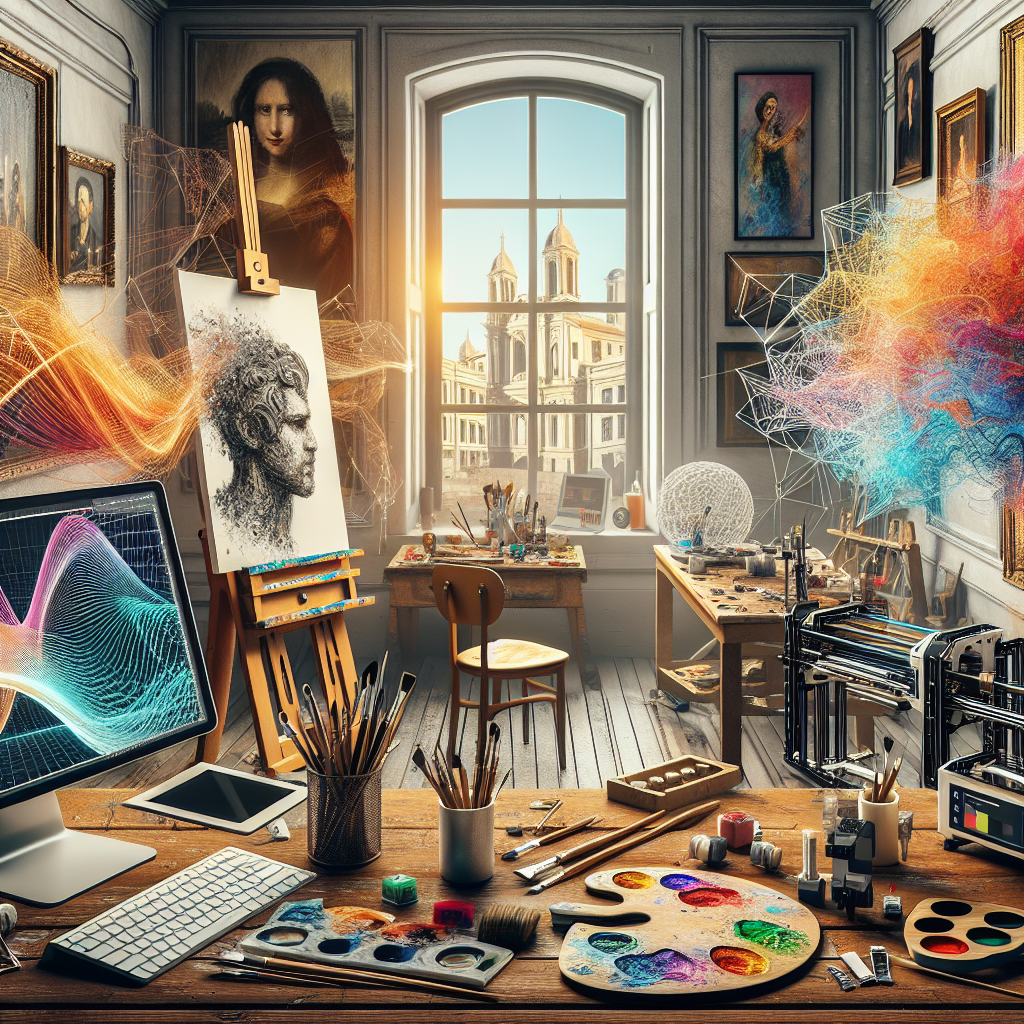
In a rapidly evolving society, technology has become an integral force driving change across all sectors, including the art world. As digital tools and platforms proliferate, they are reshaping not only how artists create but also how audiences engage with art. This transformation is marked by the blurring of traditional boundaries between art forms, mediums, and even the roles of artists and spectators.
The Rise of Digital Art
Digital art has emerged as a prominent genre, challenging the conventional notions of what constitutes art. With software tools like Adobe Creative Suite and platforms such as Procreate, artists can produce stunning visuals that differ vastly from traditional painting or sculpture. NFTs (non-fungible tokens) have further revolutionized this landscape, allowing artists to tokenize their work and sell it in digital marketplaces, thus establishing ownership and provenance in a way that was previously unfeasible.
AI-driven tools are another revolutionary aspect of art creation. Technologies like deep learning algorithms enable machines to generate artwork, leading to questions about authorship and the creative process. This intersection of art and technology also encourages collaboration, where artists work alongside AI to push boundaries, creating hybrid forms that challenge traditional aesthetics.
Virtual Reality and Immersive Experiences
Virtual reality (VR) and augmented reality (AR) technologies are reshaping the audience’s relationship with art. Museums and galleries are utilizing these tools to create immersive experiences that engage visitors in unprecedented ways. For instance, VR exhibits allow viewers to step inside an artwork, exploring the artist’s vision from a first-person perspective. This not only deepens the viewer’s understanding of the piece but also personalizes the experience, breaking down barriers that once existed in traditional art spaces.
Moreover, AR has made it possible for users to interact with artworks via smartphones, adding layers of information and interactivity. This blurring of the physical and digital realms not only enhances accessibility but also democratizes art, inviting broader participation across diverse demographics.
Social Media: The New Gallery
Social media platforms like Instagram and TikTok have become vital for artists looking to showcase their work and connect with audiences. Galleries and museums are also adapting to this new reality, using social media to reach a global audience, promote exhibitions, and engage in real-time conversations with viewers. The immediacy of platforms like Instagram allows artists to share their creative process and engage directly with their followers, cultivating a sense of community that was often lacking in traditional gallery settings.
While social media can elevate an artist’s visibility, it also raises critical questions about how art is perceived in the digital age. The ‘like’ culture can sometimes oversimplify the complexity of art, reducing it to mere metrics of popularity. Nevertheless, it also empowers underrepresented voices, allowing new talent to emerge outside of traditional art institutions.
Collecting and Valuing Art in the Digital Age
The digital transformation is not limited to creation and consumption; it also influences how art is collected and valued. Online platforms have made it easier for collectors to acquire works from emerging artists worldwide, thereby diversifying the art market. Additionally, the advent of blockchain technology ensures transparency and security in transactions, which can build trust among buyers and sellers.
However, this new landscape raises questions about authenticity and value. With a growing number of digital artworks being produced and shared, the traditional criteria for valuing art—such as historical significance, craftsmanship, and rarity—are being re-evaluated. As collectors navigate this brave new world, they must consider how technology influences both the creation and appreciation of art.
Conclusion
Technology is undeniably transforming the art world, erasing the lines that once delineated between different forms of expression, methods of engagement, and roles within the art community. As we move forward, it is crucial to acknowledge both the opportunities and challenges that these advancements present. The future of art promises to be as dynamic and multidimensional as the technologies that shape it, encouraging a more inclusive and participatory approach to creativity and appreciation.
As artists continue to explore the vast potentials of technology, the question remains: what new forms of expression will emerge from this ongoing dialogue between art and innovation? The answers lie in our collective engagement with these evolving landscapes, reminding us that art, at its core, is about human connection, exploration, and imagination.


