

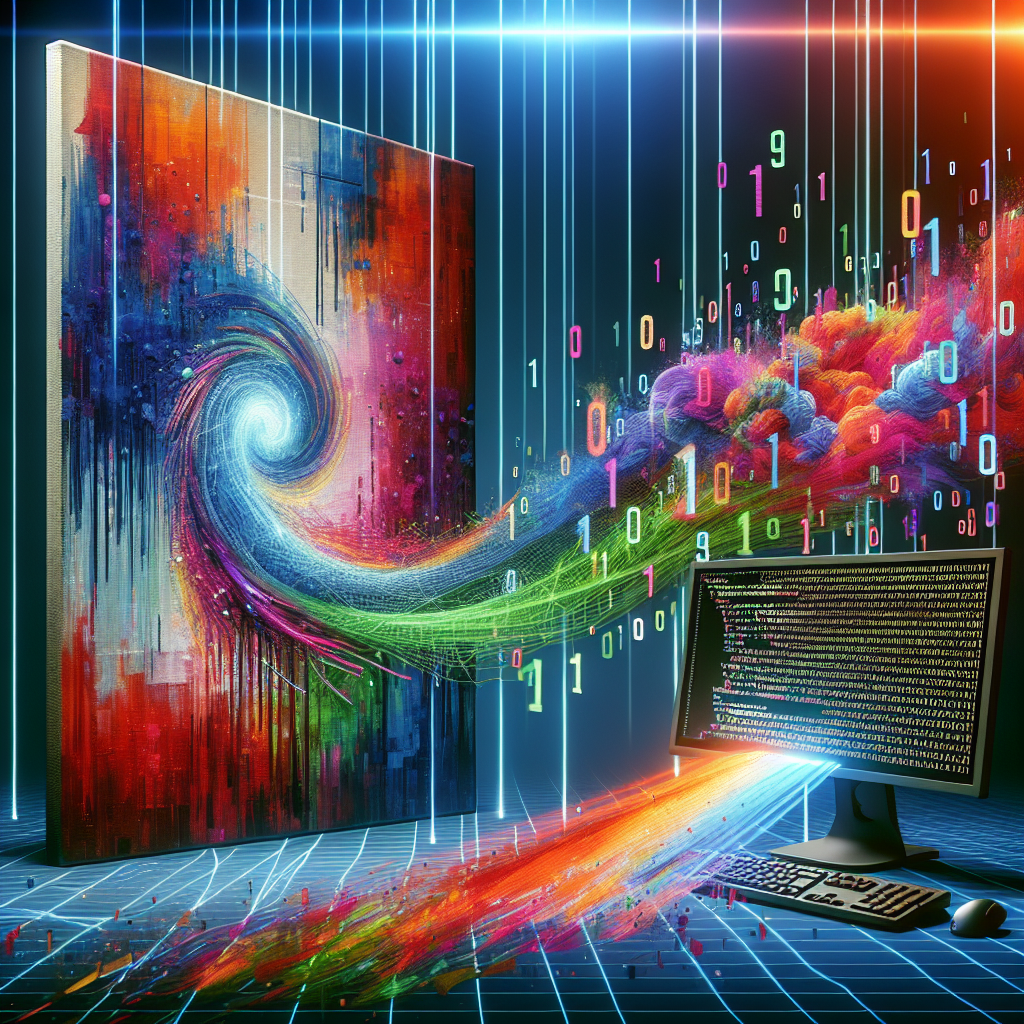
In an era where technology and creativity intertwine more than ever, a new art form has emerged—creative coding. This innovative movement combines programming with artistic expression, allowing creators to use code as a medium to produce stunning visual art. This article explores the rise of creative coding, its tools, applications, and impact on the art world.
The Intersection of Technology and Art
Creative coding is characterized by the use of programming languages and software to create visual art. Unlike traditional programming, where the ultimate goal is often to create functional applications or software, creative coding prioritizes aesthetics and expression. Artists can manipulate algorithms, data, and computational processes to produce artworks that are dynamic, interactive, and sometimes even responsive to audience input.
Historical Context
The roots of creative coding can be traced back to the early days of computer graphics in the 1960s and 70s. Pioneers like Frieder Nake and Harold Cohen explored the potential of machines to create art. However, it wasn’t until the advent of more user-friendly programming environments and tools that creative coding began to flourish as a distinct art form.
Tools of the Trade
The growth of creative coding has been supported by a range of tools and platforms that make it accessible to artists and hobbyists alike. Some of the most popular tools include:
-
Processing: Developed by Ben Fry and Casey Reas, Processing is an open-source graphical library and integrated development environment (IDE) that simplifies coding for artists. It’s designed for visual designers and artists, making it easier to create graphics and animations.
-
p5.js: A JavaScript library based on Processing, p5.js allows artists to create web-based interactive art. It fosters a community-centric approach, encouraging collaboration and sharing of work.
-
OpenFrameworks: An open-source C++ toolkit designed for creative coding, OpenFrameworks provides more advanced capabilities for artists interested in performance and graphics.
-
TouchDesigner: Used extensively in live performances and installations, this node-based visual programming language allows users to create interactive visuals in real-time.
These tools lower the barrier to entry, enabling artists with diverse backgrounds to experiment and explore the realm of creative coding.
Artistic Applications
Creative coding is being applied across various mediums, from digital installations to interactive exhibitions, and even fashion. Here are a few notable applications:
Interactive Installations
Artists like Rafael Lozano-Hemmer have used creative coding to create immersive installations that engage viewers. His works often incorporate real-time data, allowing audiences to influence the art through their interactions.
Data Visualization
Artists are increasingly using creative coding to transform complex data into aesthetically pleasing visual representations. Projects like "The Internet Map" illustrate how data can be visualized creatively, making abstract concepts more accessible.
Generative Art
Generative art thrives on algorithms and processes rather than a predefined outcome. Artists such as Casey Reas, one of the co-founders of Processing, explore this concept by creating art that evolves and changes, often in real-time.
Fashion and Wearables
The intersection of fashion and technology can also be seen in creative coding. Designers are using code to create interactive clothing and accessories, where garments respond to environmental cues or user inputs.
The Impact of Creative Coding
The rise of creative coding has democratized the art world, challenging traditional notions of what art is and who can create it. With the tools available today, anyone with a passion for coding and creativity can express themselves through digital art. Additionally, this movement has sparked a dialogue about the nature of art in the digital age, questioning authenticity, authorship, and the role of technology in creative expression.
Education and Community
With the growing interest in creative coding, educational institutions and communities have begun to offer workshops, online courses, and meetups to foster collaboration and skill development. The open-source nature of many creative coding tools encourages sharing knowledge and resources, allowing artists to learn from one another and foster a sense of camaraderie.
Conclusion
The rise of creative coding art represents a fascinating confluence of technology and creativity, empowering a new generation of artists to explore and redefine artistic expression. As tools continue to evolve and communities grow, the possibilities for innovation and creativity in the world of art are virtually limitless. As we move forward, the dialogue between code and canvas will only deepen, reshaping the landscape of contemporary art.
In an age where creativity is often enhanced by technology, it seems the canvas has expanded far beyond physical limits, welcoming code as its new companion.


