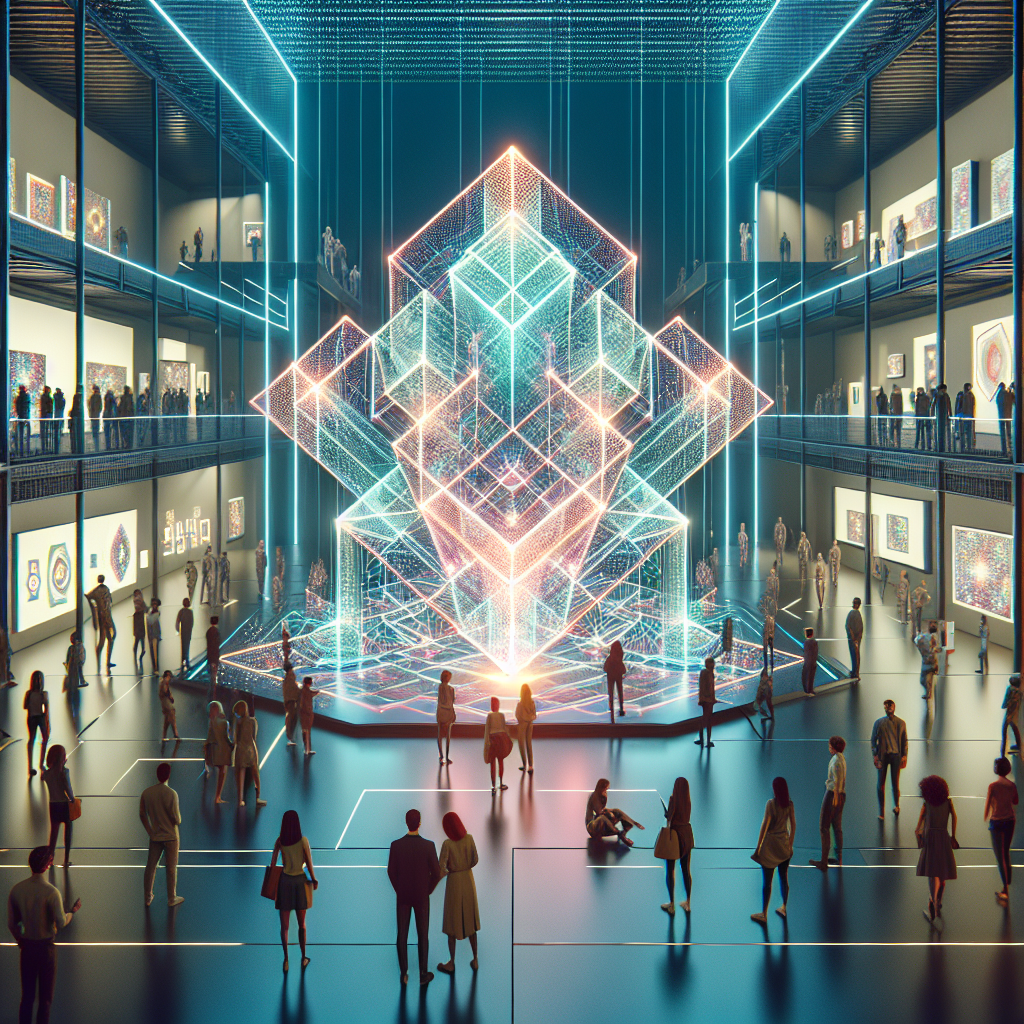
The intersection of technology and art has long been a fertile ground for innovation, pushing the boundaries of what is possible in both fields. As we move deeper into the 21st century, tech-driven art installations are rapidly transforming the art landscape, creating immersive experiences that engage audiences in ways traditional methods have not. This article delves into the evolving world of tech-driven installations, spotlighting key trends, emerging technologies, and the implications for artists and audiences alike.
The New Canvas: Digital and Interactive Media
Virtual and Augmented Reality (VR/AR)
Virtual and augmented reality have revolutionized how artists create and audiences experience art. Artists can now construct entire worlds that immerse viewers in multi-sensory environments.
- Case Study: The Obliteration Room by Yayoi Kusama takes the viewer from a blank white space to an explosion of color as participants stick dotted stickers throughout the room. This participatory aspect underscores how technology enables the merging of individual contribution with collective experience.
Projection Mapping
Projection mapping transforms surfaces into dynamic displays, allowing for a unique storytelling medium. This technology has given rise to temporary installations that can be experienced in a variety of spaces, from urban architecture to grand museum exhibits.
- Example: The "Van Gogh Alive" installation immerses viewers in the artist’s work through animated projections, allowing for an experience that transcends simple viewing.
The Role of Artificial Intelligence
Generative Art
AI has become a co-creator in the art world, capable of generating artworks based on pre-defined algorithms and existing datasets. This raises questions about authorship and creativity in art.
- Noteworthy Mention: Refik Anadol’s works utilize AI to create stunning visual displays, exemplifying a seamless blend of data and artistic expression.
Interactive Art
AI-driven installations can adapt in real-time to audience interactions. This creates a platform for conversations and engagement that were unthinkable in traditional art forms.
- Example: "AI Art Gallery" features artworks that change based on the emotional responses of viewers, making each visit a unique experience.
Sustainability in Tech-Driven Art
As awareness of environmental issues increases, sustainable practices have begun to influence tech-driven art. Artists are being challenged to consider the lifecycle of the technology they use, choosing eco-friendly materials and methods of production.
- Initiative: "The Ocean Cleanup Project" uses art to raise awareness of ocean pollution while employing eco-conscious technologies for its installations.
Audience Engagement and Participation
Crowd-Sourced Art
Technology has opened new avenues for audience participation. Projects that invite viewers to contribute can create a collective artwork that represents a shared experience or sentiment.
- Examples: "The 7th Wave," an ocean-inspired installation, allows participants to submit digital art that is then displayed alongside the creator’s original works, fostering a communal atmosphere.
Immersive Experiences
Immersive experiences are changing the notion of an audience. No longer passive observers, viewers are actively partaking in the artwork, influencing its narrative or physical characteristics.
- Installation: Meow Wolf’s "House of Eternal Return" encourages visitors to explore a whimsical universe filled with interactive elements, creating a narrative that evolves with each visitor’s exploration.
The Future Landscape of Tech-Driven Art
As technology progresses, we can expect continued experimentation within the art world. Looking ahead, several trends may shape the future of tech-driven installations:
Blockchain and NFTs
The rise of blockchain technology and non-fungible tokens (NFTs) has already begun to transform how art is bought, sold, and exhibited. This shift may revolutionize ownership, provenance, and exhibition practices.
Cross-Disciplinary Collaborations
Collaboration between artists, engineers, and technologists will likely produce innovative works that challenge conventions and push the boundaries of art. This interdisciplinary approach encourages diverse perspectives and solutions.
Personalized Art Experiences
As data analytics become increasingly sophisticated, installations could cater to individual tastes and preferences, creating bespoke art experiences that resonate on a personal level.
Conclusion
The realm of tech-driven art installations is a dynamic landscape where creativity knows no bounds. By merging technology with traditional artistic practices, we are witnessing the evolution of art into a participatory dialogue between the artist and the audience. As artists continue to innovate using these new tools, we find ourselves not just viewing art, but living it—immersive, participatory, and ever-evolving. The future of art is bright, and it lies beyond the canvas.