

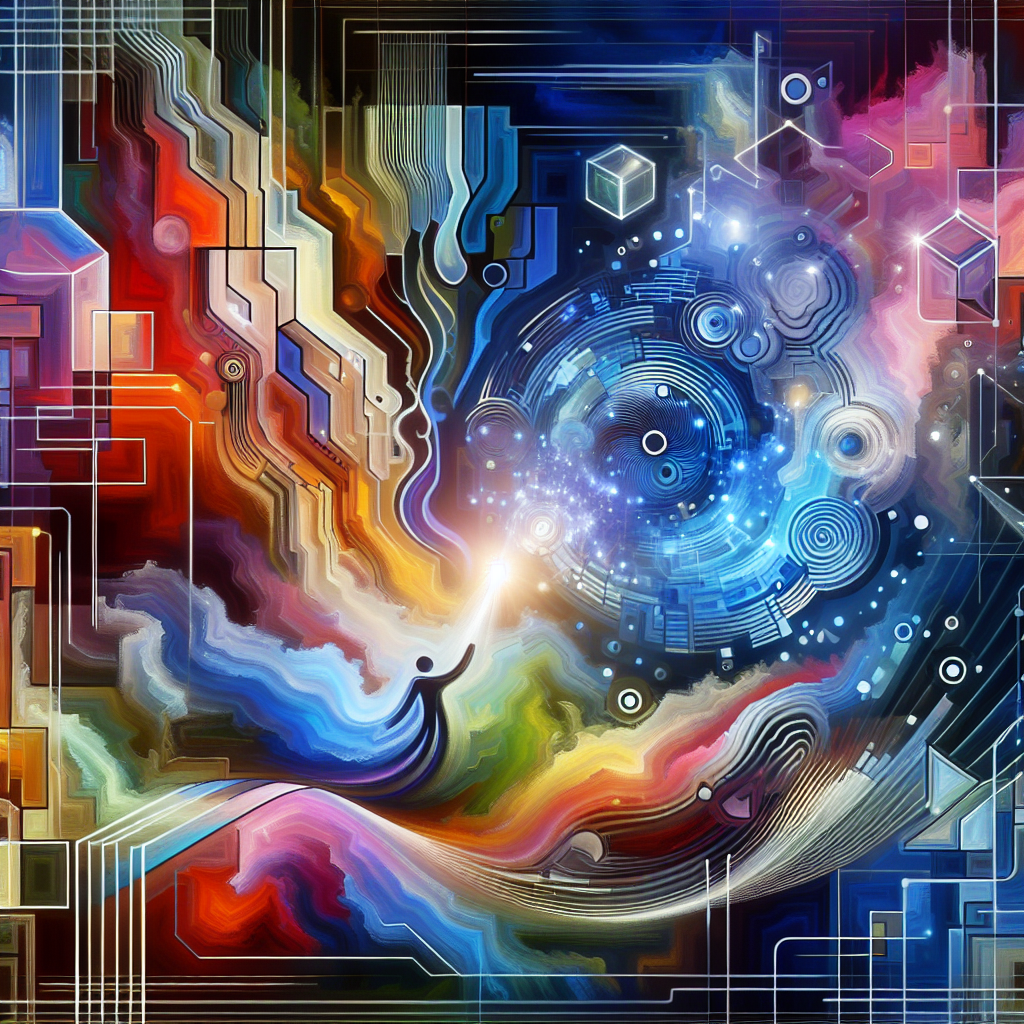
Blurring Boundaries: How Interactive Art Technology Transforms Viewer Experience
In the contemporary art landscape, a dynamic shift is underway as traditional forms of art collide with state-of-the-art technology. Interactive art, enriched by advancements in technology, has become a transformative medium that blurs the lines between the artist, the artwork, and the viewer. This fusion not only enhances engagement but also redefines the very essence of what art can be.
Defining Interactive Art
At its core, interactive art involves a participatory experience where the viewer isn’t just a passive observer but an active participant. The advent of digital technology has enabled artists to create immersive environments that respond to the audience’s actions. Whether through multimedia installations, virtual reality (VR), or augmented reality (AR), interactive art invites viewers to engage in a dialogue with the piece.
The Role of Technology
Technological innovations play a pivotal role in shaping the viewer’s experience. Sensors, projection mapping, and AI algorithms are tools that artists leverage to create multisensory experiences. For instance:
- Projection Mapping allows artists to transform static surfaces into dynamic visuals, altering the perception of space and reality.
- Virtual Reality immerses the viewer in entirely new worlds, offering experiences that defy the limitations of physical spaces.
- Augmented Reality enhances reality by overlaying digital components onto the physical world, creating hybrid experiences.
These technologies enable a shift from traditional viewing methods to experiences that can be customized and altered based on viewer interaction.
Engaging the Audience
The shift to interactive art transforms the role of the audience from passive observers to active participants. This democratization of art encourages viewers to explore, manipulate, and co-create the experience. For example, in installations where body movements dictate changes in visual or auditory outputs, viewers become integral to the artwork’s evolution. This engagement fosters a deeper, more personal connection between the viewer and the art.
The Impact on Interpretation
Interactive art also redefines interpretation. In traditional art forms, meaning is often fixed and derived from the artist’s intent. However, interactive installations can yield myriad interpretations based on viewer interaction. Each participant’s unique engagement shapes their understanding, making the experience subjective. This fluidity in interpretation not only challenges the hierarchy of artist versus audience but also highlights how collective experiences can create new meanings.
Case Studies in Transformative Experiences
Several contemporary artists and installations exemplify the power of interactive art:
-
Olafur Eliasson’s "The Weather Project" invites viewers to interact with large-scale installations that mimic natural phenomena, encouraging reflection on the environment and personal experience.
-
teamLab’s "Borderless" museum in Tokyo employs interactive light installations that respond to visitor movements, creating an ever-changing landscape of art that challenges the notion of boundaries.
-
Rafael Lozano-Hemmer’s "33 Questions per Minute" uses algorithms to generate real-time poetry, engaging viewers in a dialogue where they can explore the intersection of language, technology, and art.
These examples showcase how technology not only transforms the viewer experience but also deepens the engagement with essential themes such as identity, nature, and the shared human experience.
Challenges and Criticisms
Despite the many benefits, interactive art technology faces challenges. Issues of accessibility, the digital divide, and the potential for over-saturation in marketable experiences raise questions about inclusivity and depth. Moreover, there are concerns about the impermanence of digital art; as technology evolves, older works may become obsolete.
Conclusion
As interactive art continues to evolve, it presents both opportunities and challenges in how we perceive and engage with art. By embracing technology, artists are creating experiences that not only captivate viewers but also invite them to explore their role within the artwork. The boundaries between creator, spectator, and experience are continually blurred, leading to a richer and more diverse understanding of art in the modern age. As we navigate this transformative landscape, the possibilities for creative expression are as limitless as our willingness to engage with them.


